
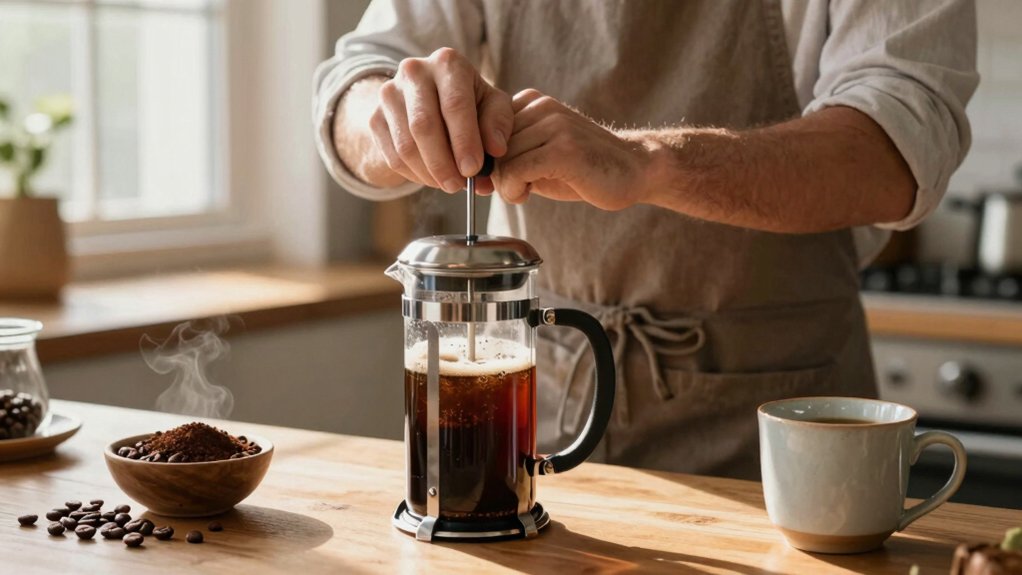
Much like a good handshake ensures a proper connection, pressing your coffee is the essential step that guarantees a full and even extraction for superior flavor.
I find it’s the gentle pressure that unlocks the beans’ natural oils and soluble compounds, creating that rich, complex cup we all love.
But the ‘how’ and ‘how much’ can make or break your brew, and getting it right is simpler than you might think.
Table of Contents
Why does coffee need to be pressed?
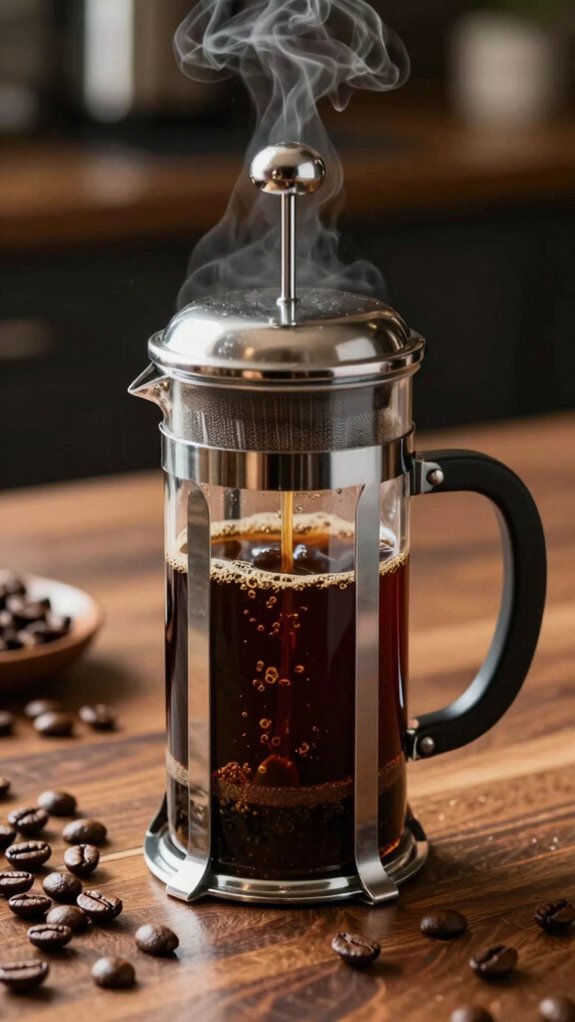
Have you ever wondered why coffee needs to be pressed? It’s all about unlocking a superior flavor profile.
In the French press method, the grounds fully immerse in water. This extended brewing time allows for even saturation, so every particle contributes to a balanced cup, avoiding the bitterness of uneven extraction.
Pressing also releases the coffee’s natural oils that paper filters trap, giving your brew a richer body and deeper complexity. I find this process creates a more satisfying, full-bodied experience you just don’t get from drip machines.
For us home baristas, that control over immersion and time is the secret to a truly flavorful cup.
Do I really need to tamp espresso?
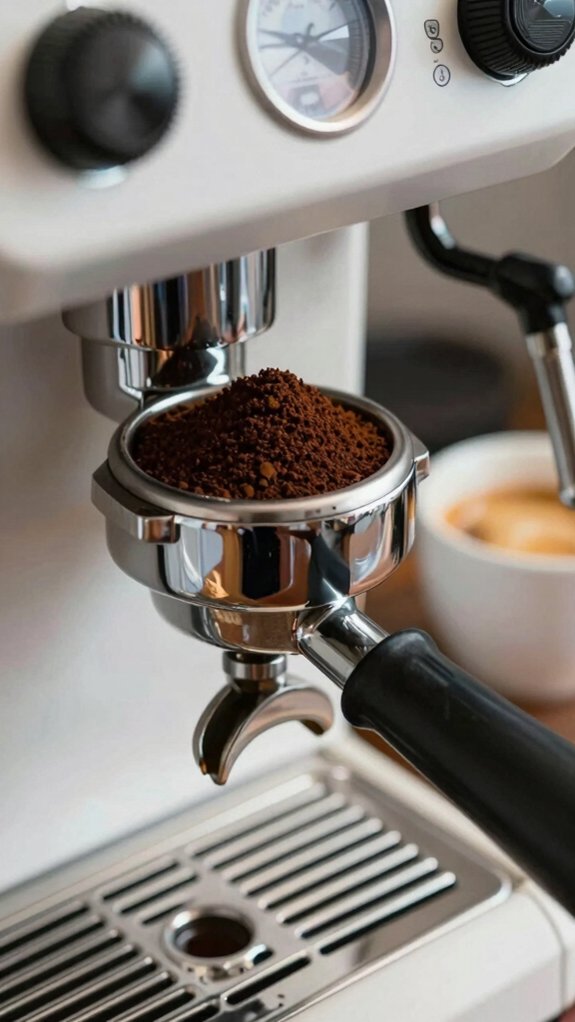
Ensures Uniform Density: A level, consistent puck allows for even water flow.
Prevents Channeling: It stops water from taking the path of least resistance.
Controls Extraction Pressure: It creates the necessary resistance for proper brewing.
Maximizes Flavor: It ensures full, rich, and complex taste in your cup.
Why press the French press plunger?
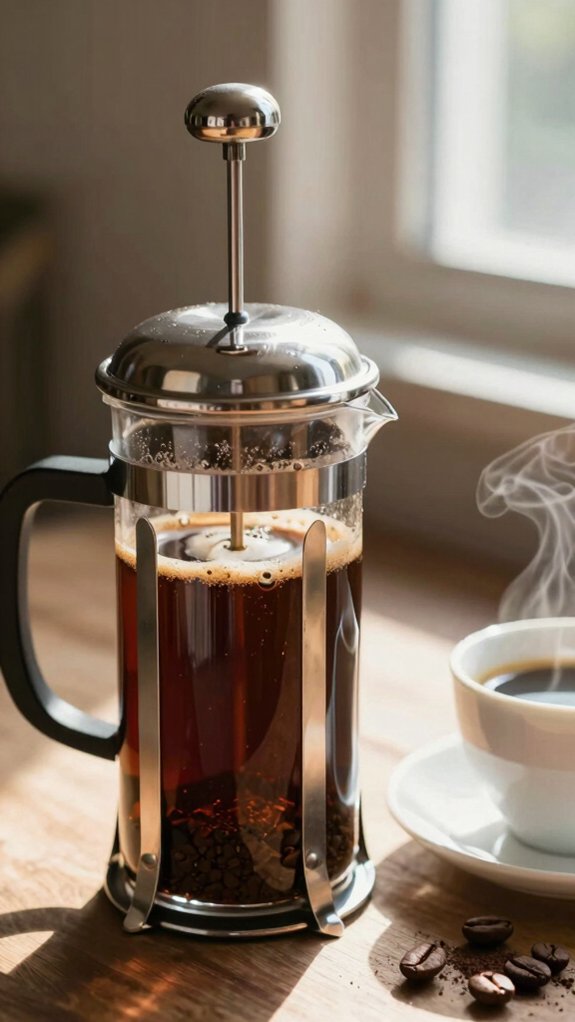
| What Pressing Does | Why It Matters |
|---|---|
| Separates grounds | Stops over-extraction and bitterness |
| Applies gentle pressure | Releases essential oils for better aroma |
| Creates a filter barrier | Ensures a clean, grit-free sip |
| Works with a coarse grind | Allows for optimal oil retention and mouthfeel |
How to brew French press coffee
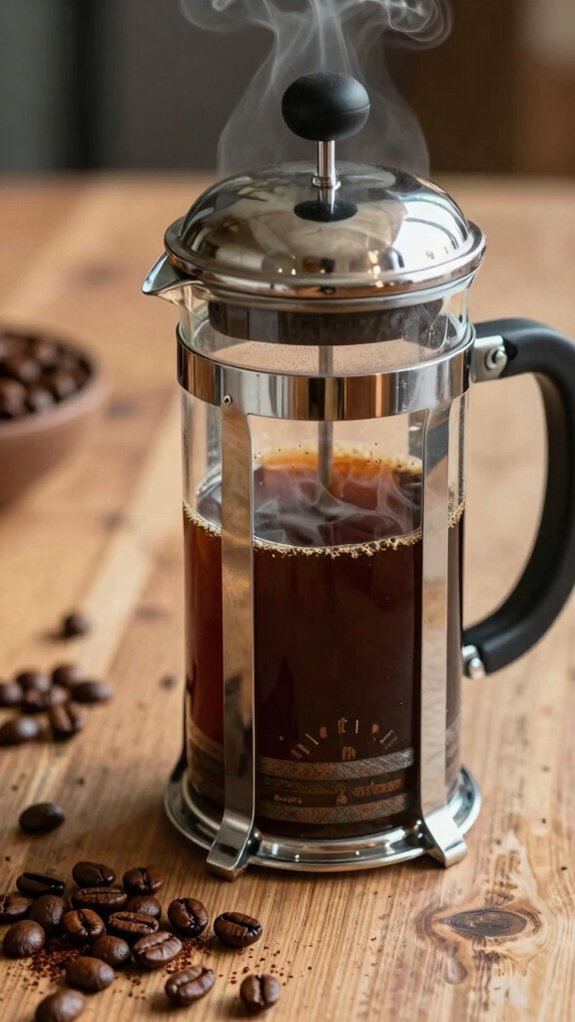
Now that you know why pressing matters, I’ll show you how to brew a perfect cup, starting with what you’ll need and the simple steps to follow.
You’ll want fresh coffee beans, a quality grinder, and a reliable kettle to control your water temperature.
Let’s get into the specifics of ingredients, equipment, and instructions so you can make a rich, full-bodied French press coffee right at home.
Ingredients
When I brew French press coffee, my secret to a rich, full-bodied cup begins with just two simple ingredients: coarsely ground coffee and hot water. The quality of these ingredients is everything.
Coffee grounds: Always use freshly roasted beans and grind them yourself. Pre-ground coffee goes stale fast.
Grind size affect: A coarse grind is non-negotiable. A fine grind will slip through the filter, making your cup gritty and over-extracted.
Water: Use filtered water if you can. Impurities in tap water can mask coffee’s delicate flavors.
Ratio: I stick to a 1:15 coffee-to-water ratio. For every gram of coffee, I use 15 grams of water heated to 200°F for ideal extraction.
Equipment
Water quality and water temperature are critical. Use filtered water heated precisely to 196–200°F (91–93°C).
Too hot, and you scald the beans; too cool, and you under-extract.
This exact water temperature, paired with the full immersion of the French press, is what expertly pulls those rich oils and flavors into your cup.
That’s the equipment magic.
Instructions
Once you’ve got your water temperature set, I’ll show you how to bring it all together with the brewing steps. The key is a methodical approach for that perfect cup.
- Start with a coarse grind, it prevents sludge and ensures clean filtration.
- Pour your hot water evenly for total saturation of the coffee grounds.
- Let the coffee begin steeping for four full minutes; this immersion extracts deep, balanced flavors.
- Slowly press the plunger down to separate the grounds from your brew.
Serve it immediately. Leaving the coffee sitting on the grounds leads to over-extraction, which a 2023 industry survey found is the top cause of bitterness reported by home brewers.
Common pressing mistakes that ruin flavor
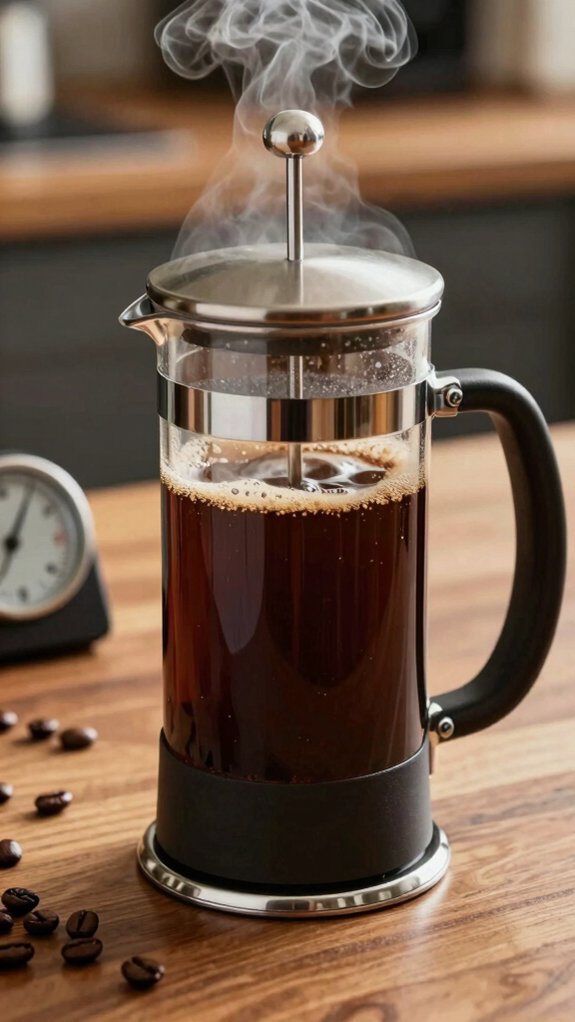
| Common Mistake | Flavor Result |
|---|---|
| Pressing too quickly | Over-extraction & bitterness |
| Wrong grind size | Muddy texture & poor flavor |
| Uneven pressure | Mix of weak and bitter notes |
| Water too hot | Scorched, burnt taste |
Avoid these errors to protect your brew’s clarity and depth.
Is pressing better than drip or immersion?
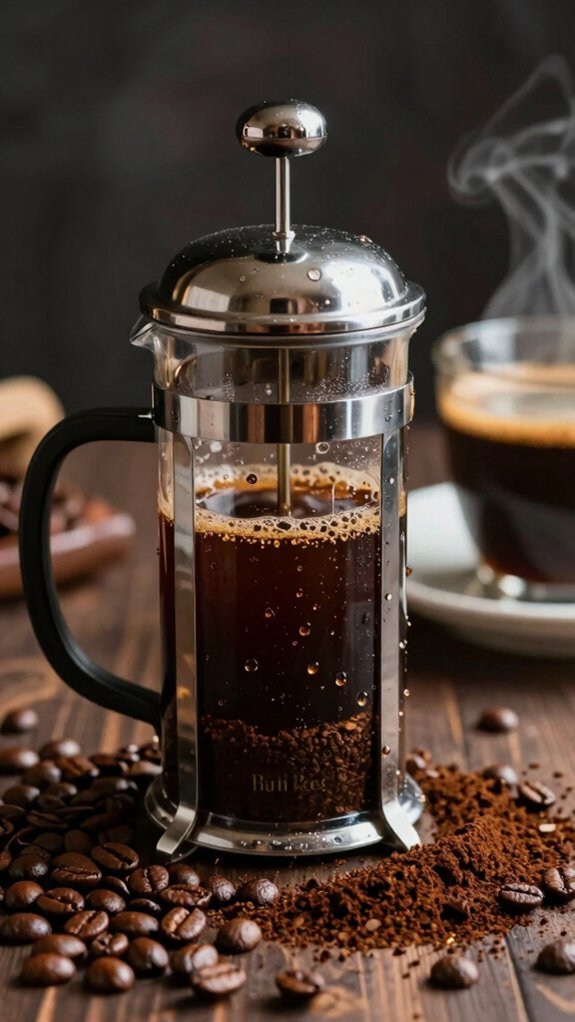
- Oil Retention: Unlike paper-filtered drip coffee, pressing keeps essential oils for a smoother, more complex cup.
- Control: You directly manage steep time and saturation, fine-tuning strength.
- Mouthfeel: The result is a thicker, more satisfying texture with a robust character.
- Experience: It’s for those seeking a hands-on ritual and a deeper, more engaging flavor profile than standard automated drip coffee or some other immersion brewers offer.
Choosing the right tampers, screens, filters
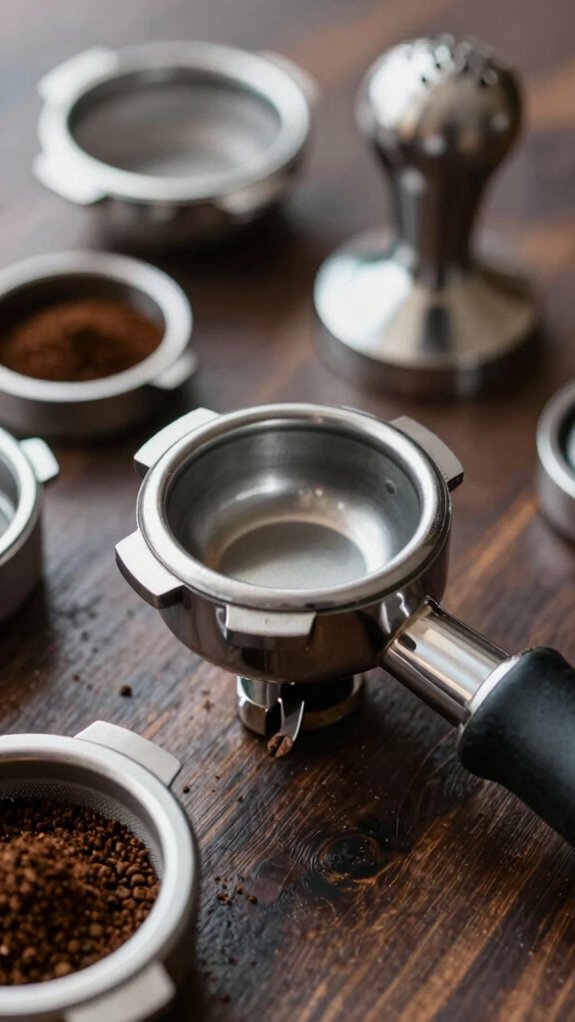
How do you ensure your press delivers that rich, full-bodied cup every time? It starts with choosing the right tampers, screens, and filters.
Your tamper must fit your portafilter basket perfectly. A snug fit ensures you can apply even, firm pressure, about 30 pounds, for uniform extraction.
Next, consider screens. A quality metal screen maintains consistent water flow and temperature, which is critical for flavor.
Finally, filters define your cup’s body. Paper gives a cleaner taste by absorbing oils, while metal retains them for a richer texture.
Frequently Asked Questions
Why Does Pressed Coffee Taste Better?
I taste a richer, smoother cup because the grounds steep fully, releasing natural oils a paper filter would trap.
The coarser grind prevents bitterness for a more balanced, enjoyable flavor.
What Happens if You Don’t Tamp Your Coffee?
If I don’t tamp my coffee, water channels through unevenly. This causes a sour, bitter shot because some grounds are over-extracted while others are under-extracted.
I lose that rich, balanced flavor I’m aiming for.
Why Do You Have to Press the Coffee?
I press my coffee like coaxing a story from a book, ensuring every ground shares its full tale with the water.
It’s how I capture the entire rich, flavorful essence into my cup.
What Is the 80 20 Rule for Coffee?
I believe the 80/20 rule for coffee means 80% of your drink’s flavor comes from just 20% of the grounds.
In Conclusion
So you see, pressing coffee isn’t some old-timey, steam-punk lever ritual; it’s the essential final act that locks in a full-bodied flavor. By ensuring even extraction, you avoid bitterness and instead get all those rich oils and complex notes.
Skip this step, and you’re leaving the best part of your brew behind. Trust the press, your taste buds will thank you for that perfect, velvety cup every single time.