
According to the Celiac Disease Foundation, approximately 1 in 100 people worldwide have celiac disease, and millions more follow gluten-free diets due to sensitivity or intolerance. For this growing population, a common question arises: is coffee gluten-free? The answer might surprise you-while pure coffee beans are naturally gluten-free, your daily cup could still contain hidden gluten through flavored syrups, additives, or cross-contamination during processing.
In this guide, you’ll discover which coffee drinks are safe, which brands prioritize gluten-free production, and practical tips to avoid accidental gluten exposure. Whether you’re newly diagnosed with celiac disease or simply trying to eliminate gluten from your diet, you’ll learn how to enjoy your coffee without worry.
Table of Contents
What coffee is gluten free for celiacs
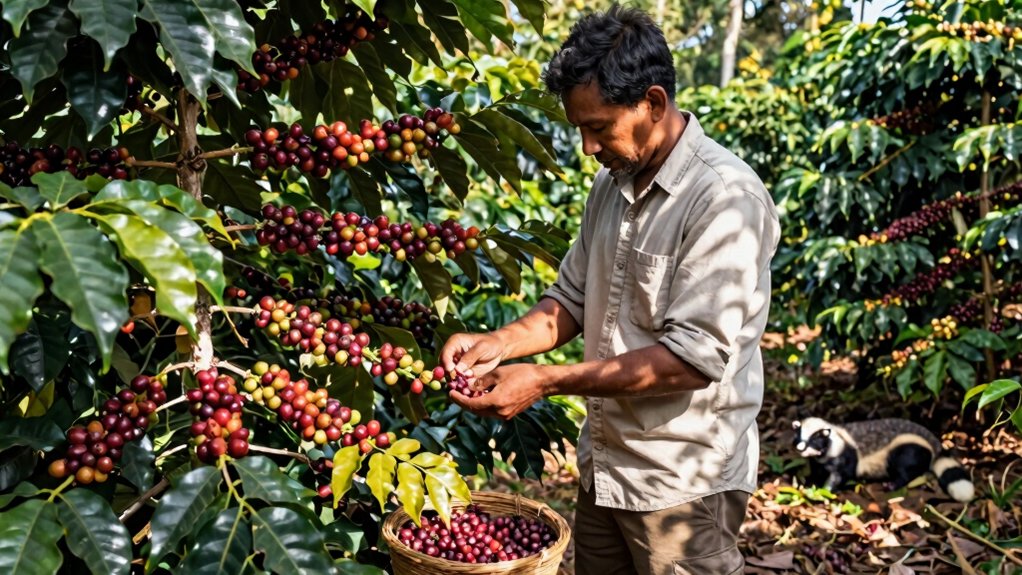
For coffee-loving celiacs, the good news is that pure, plain coffee is naturally gluten-free.
Whole beans, ground coffee, and plain black coffee are typically safe when prepared without additives. While coffee is gluten-free, be cautious about cross-contamination in processing and preparation. Instant coffee and coffee shop environments can increase risks.
Always choose certified gluten-free products and stick to plain black coffee when uncertain. Flavored coffee often contains gluten-containing additives, so carefully check ingredients. Single-origin, unflavored coffees from reputable brands offer the safest option for those with celiac disease.
Which coffee drinks are gluten-free options
Most coffee drinks can be safely enjoyed gluten-free with smart ingredient choices and careful preparation.
Here are three gluten-free coffee options to savor:
- Black coffee: Plain brewed coffee, like instant coffee or freshly ground beans, naturally remains gluten-free when prepared without cross-contamination.
- Simple espresso drinks: Order plain espresso, Americanos, or lattes without flavored syrups, ensuring the base remains pure and safe.
- Certified gluten-free creamers: Choose specialized creamers with clear gluten-free certification to enhance your coffee without risking contamination.
Always confirm ingredient details and ask about café preparation methods to maintain a safe, delicious coffee experience.
Are flavored syrups and creamers gluten-free

Are you wondering whether that tempting caramel or vanilla syrup will derail your gluten-free coffee routine? Most flavored syrups from brands like Monin and Torani are gluten-free, but always verify.
Coffee creamers can be trickier-watch for wheat-derived thickeners, maltodextrin, or unspecified “natural flavors” that might contain gluten.
When ordering at coffee shops, request ingredient lists and ask about cross-contamination. Opt for certified gluten-free creamers and syrups to minimize risk.
Plant-based milks like oat milk need extra scrutiny, as they can harbor hidden gluten unless specifically labeled gluten-free.
Is instant coffee, pods, or capsules gluten-free
When you’re navigating the gluten-free coffee landscape, instant coffee, pods, and capsules can seem like potential minefields-but don’t worry, most options are safe with careful selection. Here’s what you need to know:
- Plain instant coffee is naturally gluten-free, but cross-contamination risks exist in processing facilities.
- Major brands like Keurig and Nespresso claim most K-Cup pods and Nespresso capsules are gluten-free.
- For maximum safety, choose whole bean coffee and grind at home, avoiding flavored mixes with potential gluten-containing additives.
Always check gluten-free labeling and contact manufacturers for specific facility cross-contamination policies.
Cafe cross-contact with oat milk steamers
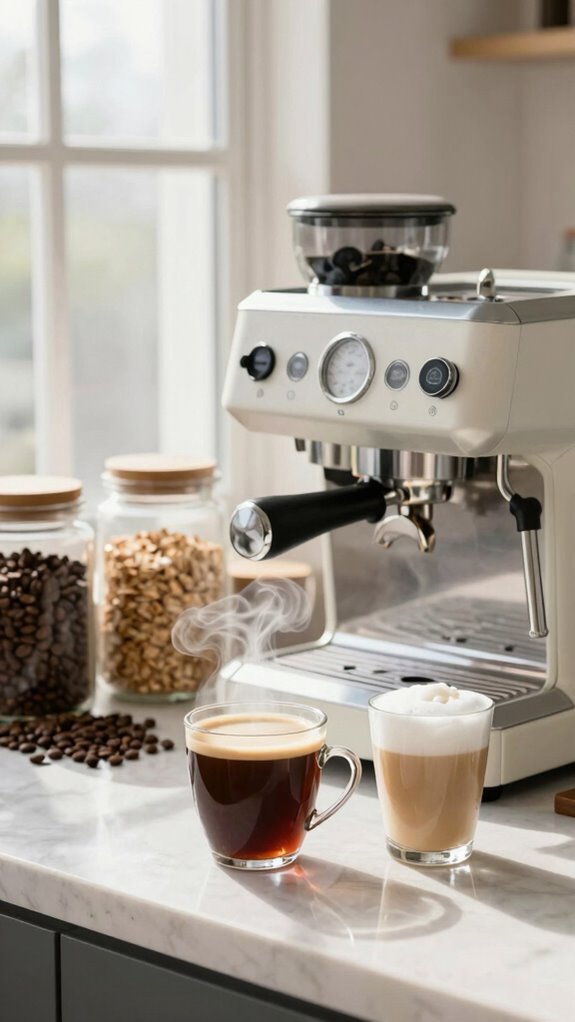
After ensuring your instant coffee and pods are gluten-free, another potential pitfall for celiac and gluten-sensitive coffee lovers lurks in cafe steaming practices-specifically, cross-contact risks with oat milk steamers. Choosing certified gluten-free oat milk doesn’t guarantee zero risk if steam wands are shared.
| Risk Level | Contamination Source | Recommended Action |
|---|---|---|
| Low | Steam Wand Residue | Request wand purge |
| Medium | Shared Equipment | Ask for clean utensils |
| High | Cross-Contact Ingredients | Bring own milk |
| Critical | Facility Practices | Verify cleaning protocols |
For maximum safety, request baristas clean steam wands thoroughly or consider bringing your own certified gluten-free oat milk to minimize cross-contact risks.
Trusted gluten-free coffee brands and certifications
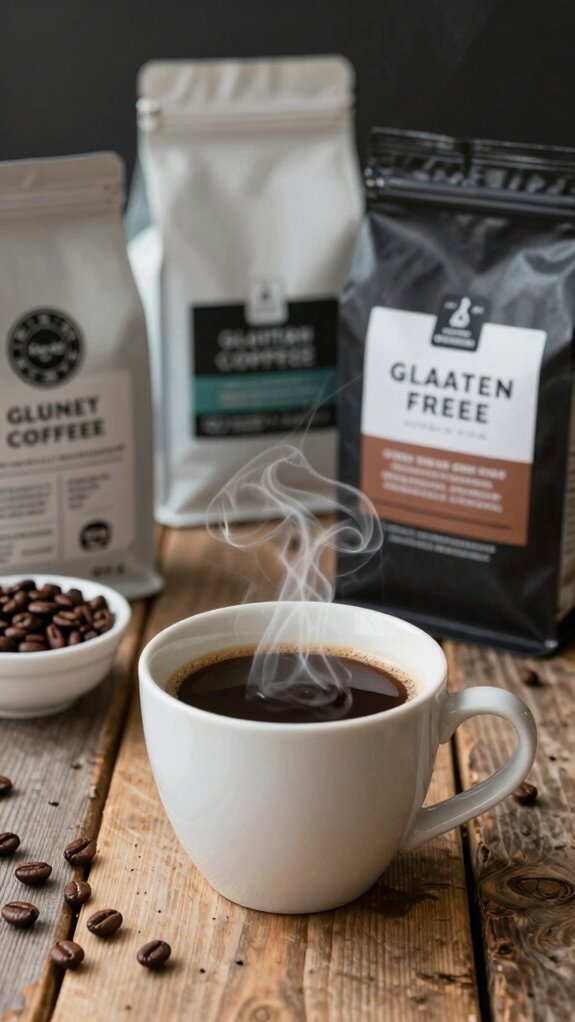
Because navigating the world of gluten-free coffee can feel like a minefield, I’ll break down the most reliable brands and certifications that’ll keep your morning brew safe and delicious.
- For whole-bean coffee, look for third-party gluten-free certification from brands like Cafely, which explicitly labels their products.
- Avoid instant coffee and flavored coffees with high cross-contamination risks; stick to plain black coffee.
- Check K-Cup pods from Keurig and Nespresso, which generally offer gluten-free options, but always verify specific product details.
Diligence is key when selecting a safe, gluten-free coffee that doesn’t compromise on flavor.
How to make gluten-free coffee drinks
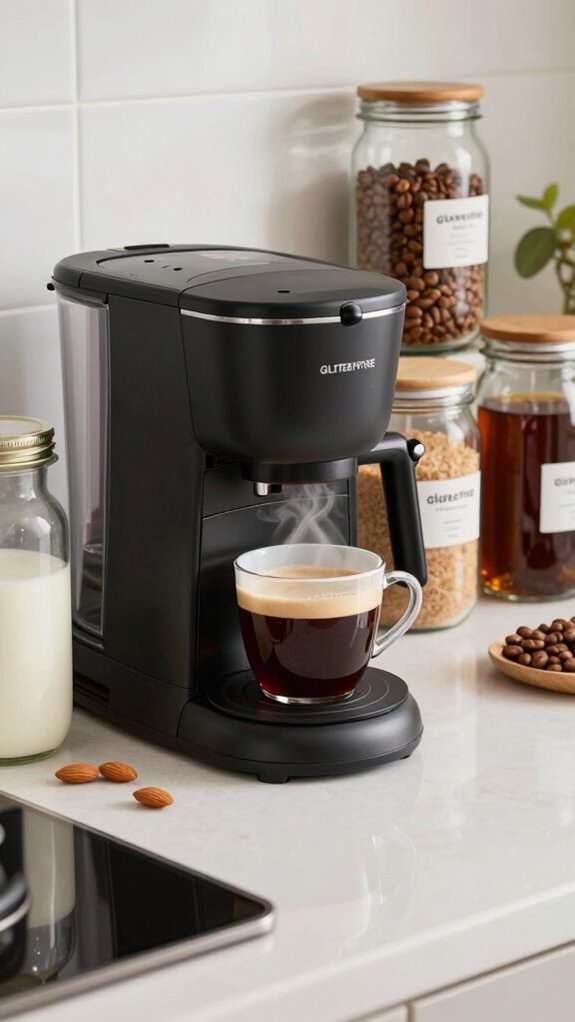
If you’re looking to craft gluten-free coffee drinks at home, you’ll need to focus on selecting safe ingredients, using clean equipment, and following careful preparation steps.
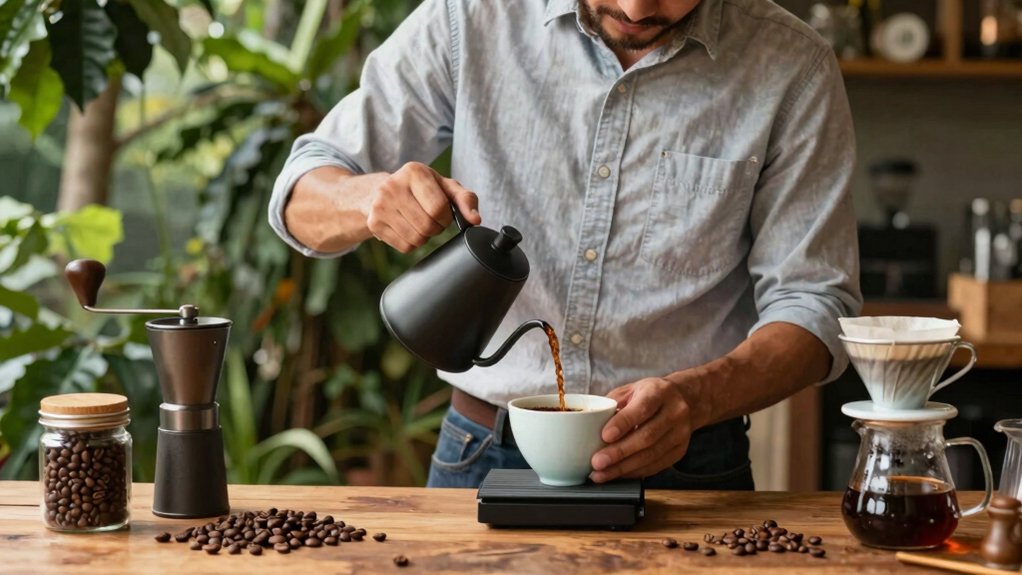
Your journey starts with choosing pure, whole-bean coffee and grinding it yourself to minimize cross-contamination risks.
I’ll walk you through the essential ingredients, recommended equipment, and step-by-step instructions to ensure your coffee remains completely gluten-free.
Ingredients
Wondering how to craft delicious gluten-free coffee drinks without worry? Keep these key ingredients in mind:
- Start with plain brewed coffee, which is naturally gluten-free. Whether you’re using whole beans, ground, or instant coffee, you’re safe as long as you avoid cross-contamination.
- Choose dairy or plant milks carefully. Opt for certified gluten-free options like almond, soy, or specific oat milk brands that guarantee safety.
- Be cautious with ready-to-drink mixes and flavored syrups. Always check labels, as hidden gluten can lurk in thickeners and “natural flavors” that might compromise your drink’s gluten-free status.
Equipment
After carefully selecting gluten-free ingredients, the right equipment becomes your next defense in crafting safe, delicious coffee drinks. Clean and dedicate your home coffee tools to prevent cross-contamination.
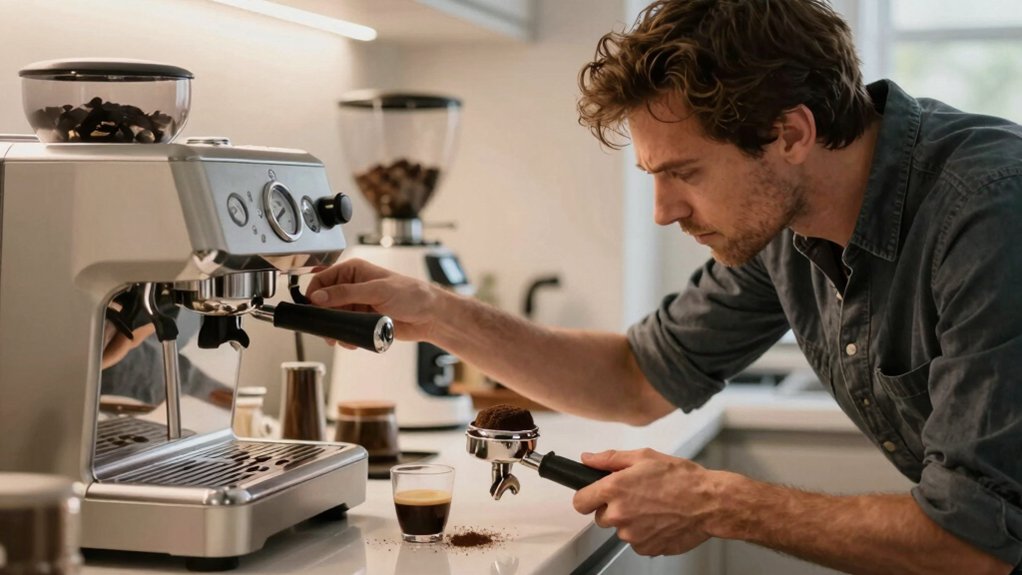
Start with a personal home grinder to avoid shared grinders that might introduce gluten traces. Invest in separate equipment like steam wands, milk pitchers, and tampers, or request single-use parts when ordering out.
When using commercial equipment, ask staff to use clean utensils and confirm gluten-free status of all tools. Your vigilance ensures a safe, enjoyable coffee experience without compromising your health.
Instructions
Crafting gluten-free coffee drinks at home isn’t just possible-it’s deliciously simple when you follow the right steps.
Here’s how to create a safe, delectable coffee experience:
- Start with whole-bean coffee gluten-free at its core, grinding fresh to minimize cross-contamination risks.
- Choose certified gluten-free flavored syrups carefully, checking manufacturer guidelines for Monin or Torani products.
- Select milk alternatives wisely-opt for certified gluten-free oat milk or traditional dairy/almond milk labeled safe.
When brewing, use clean equipment and dedicated pitchers to prevent inadvertent gluten cross-contact, ensuring every sip remains pure and enjoyable.
Frequently Asked Questions
Is Folger’s Coffee Safe for Celiacs?
I’d say most Folgers coffee is likely gluten-free, but I’d recommend checking the specific product label, calling their customer service, and being cautious with flavored varieties to ensure no cross-contamination risks for your celiac diet.
What Coffee Is Good for Celiac Disease?
I recommend plain whole-bean or freshly ground coffee from dedicated gluten-free brands. Black coffee is safest, and you’ll want to avoid flavored syrups, shared equipment, and non-certified oat milk when managing your celiac disease.
Is Starbucks Coffee Celiac Friendly?
Ironically, I’m celiac and Starbucks is my coffee haven! Plain brewed coffee’s naturally gluten-free. Just be cautious with flavored drinks, ask about ingredients, and request minimal cross-contact to enjoy your safe caffeine fix.
Is Dunkin’ Bottled Iced Coffee Gluten-Free?
Most Dunkin’ bottled iced coffees appear gluten-free, but I recommend checking each bottle’s label carefully and contacting their customer service if you have celiac disease to confirm specific product ingredients and potential cross-contamination risks.
In Conclusion
Enjoying gluten-free coffee isn’t rocket science, but it does require some savvy choices. When wondering what coffee is gluten-free, the answer is simpler than you might think: pure coffee beans are naturally safe, but additives and cross-contamination can pose risks. From single-origin beans to carefully selected creamers, you can craft delicious, celiac-friendly brews at home. Always verify labels, ask questions at cafés, and opt for dedicated equipment when possible.
Your morning cup should energize, not cause worry. With a little knowledge and mindfulness, you’ll be sipping safe, scrumptious coffee that keeps both your taste buds and your health in perfect harmony. Ready to brew your gluten-free coffee at home? Check out our coffee machine reviews to explore smart, well-reviewed options that give you complete control over your ingredients and brewing process, ensuring every cup is perfectly safe and delicious.