Americans brew approximately 400 million cups of coffee daily, according to the National Coffee Association, generating over 2 million tons of used coffee grounds annually-most of which ends up in landfills. Yet research from the American Chemical Society reveals these discarded grounds contain valuable compounds including nitrogen, phosphorus, and antioxidants that can benefit everything from soil health to household cleaning. If you’ve been wondering “what are coffee grounds good for” beyond filling up your trash can, you’re not alone in questioning whether there’s more value in those soggy brown leftovers.
This post explores the science-backed ways you can repurpose used coffee grounds around your home. You’ll discover how to use them as natural fertilizer for your plants, effective cleaning scrubs for stubborn kitchen grime, odor neutralizers for your refrigerator and beyond, plus unexpected uses that turn this “waste” product into a surprisingly versatile household resource.
Table of Contents
What coffee grounds good for at home
Upcycling coffee grounds transforms waste into a versatile household helper with surprising practical applications. Used coffee grounds aren’t just trash-they’re a secret weapon for home solutions.
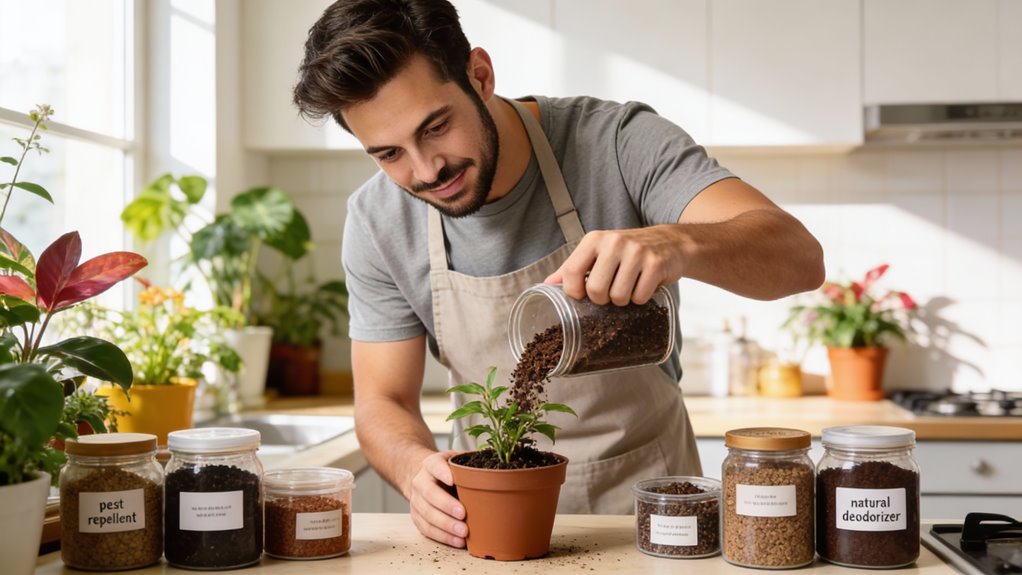
I’ve discovered they’re incredible as a natural odor absorber, perfect for neutralizing funky smells in refrigerators and closets. Simply place an open container of grounds in problem areas and watch them work their magic.
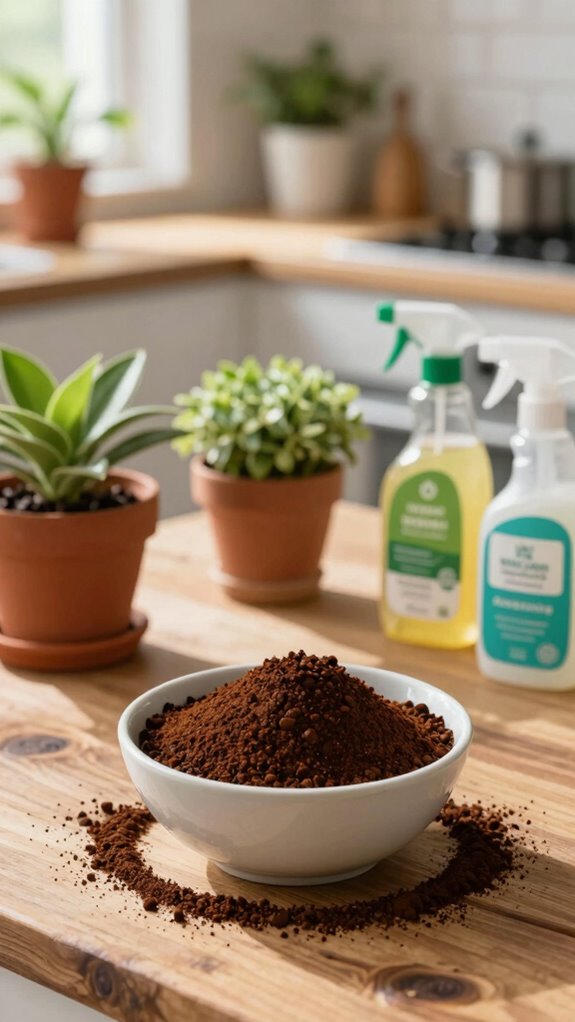
Beyond odor control, these grounds make an amazing natural scrub. Mix them with a bit of liquid soap, and you’ll have a gentle yet effective cleaning solution for tough kitchen messes. No harsh chemicals needed!
Are coffee grounds good for plants?
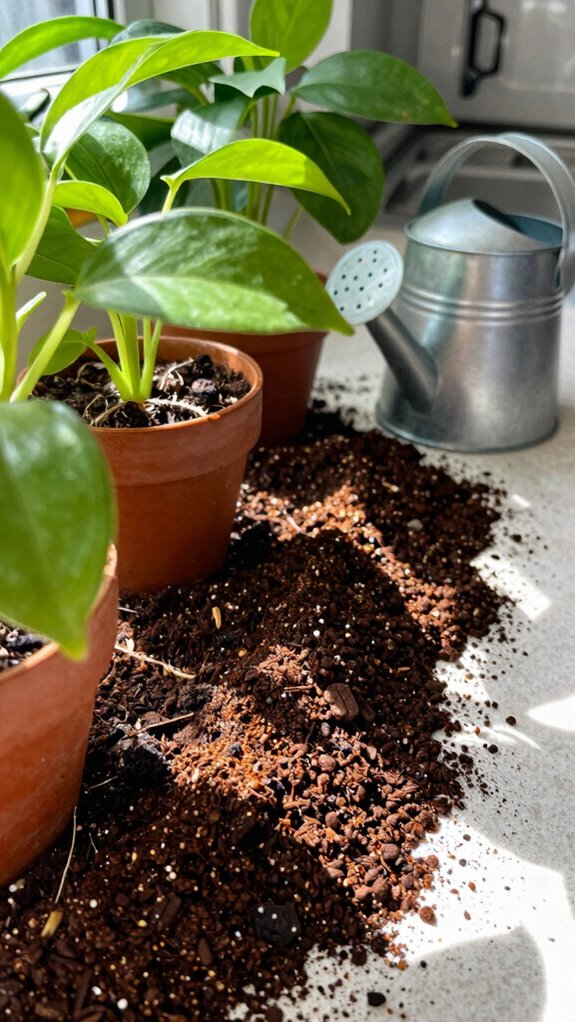
Are Coffee Grounds Good for Plants?
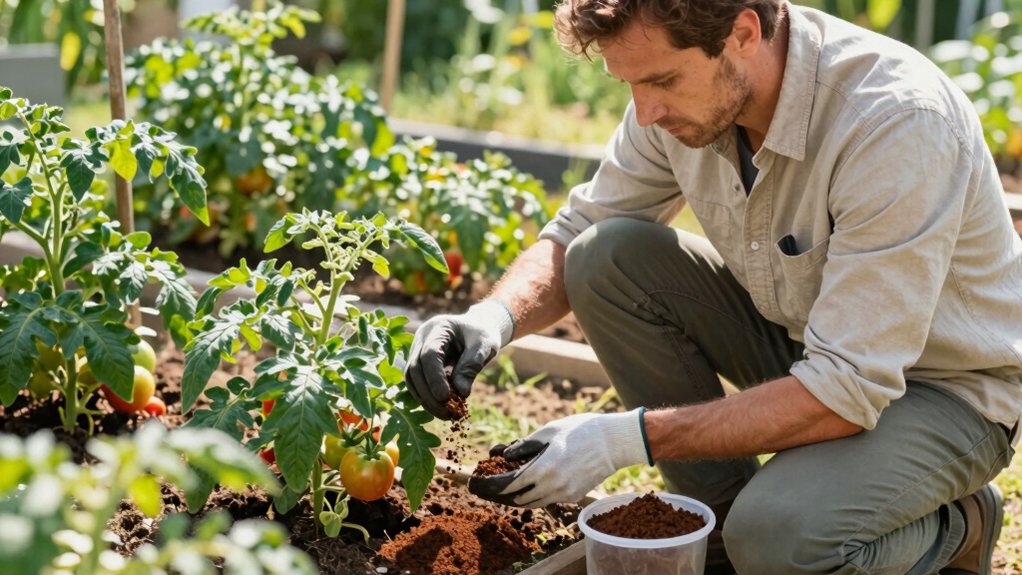
Repurposing coffee grounds as a plant nutrient can be a game-changer for your indoor and outdoor gardens.
Used coffee grounds offer a fantastic slow-release nitrogen source that can boost your plants’ health.
I recommend mixing a small amount of dried grounds into your potting soil or sprinkling them lightly on the surface weekly.
Not all plants love coffee grounds equally.
Acid-loving plants like azaleas and blueberries thrive with this treatment, while succulents and lavender might struggle.
Always use spent grounds sparingly to prevent soil compaction and potential fungal issues.
Which coffee grounds suit each brew method
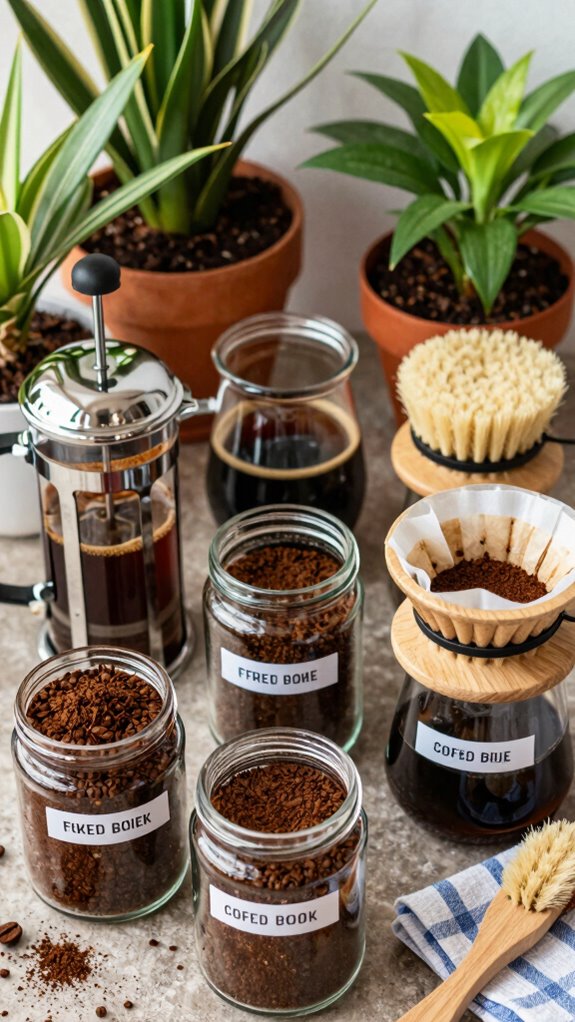
Let’s dive right into matching coffee grounds to their perfect brew method-a crucial skill for crafting exceptional coffee at home.
Grind size is the secret weapon for brewing brilliance. Espresso grounds are ultra-fine, ideal for intense, concentrated shots. Pour-over lovers want medium-fine to medium grounds that allow balanced water flow. Cold brew and French press demand coarse grounds for slow, gentle extraction. AeroPress offers flexibility, working with fine to medium-coarse grinds depending on your recipe. Handy hint: If your coffee tastes bitter or weak, adjust your grind size by one step to unlock that perfect flavor profile.
How to make coffee grounds scrub
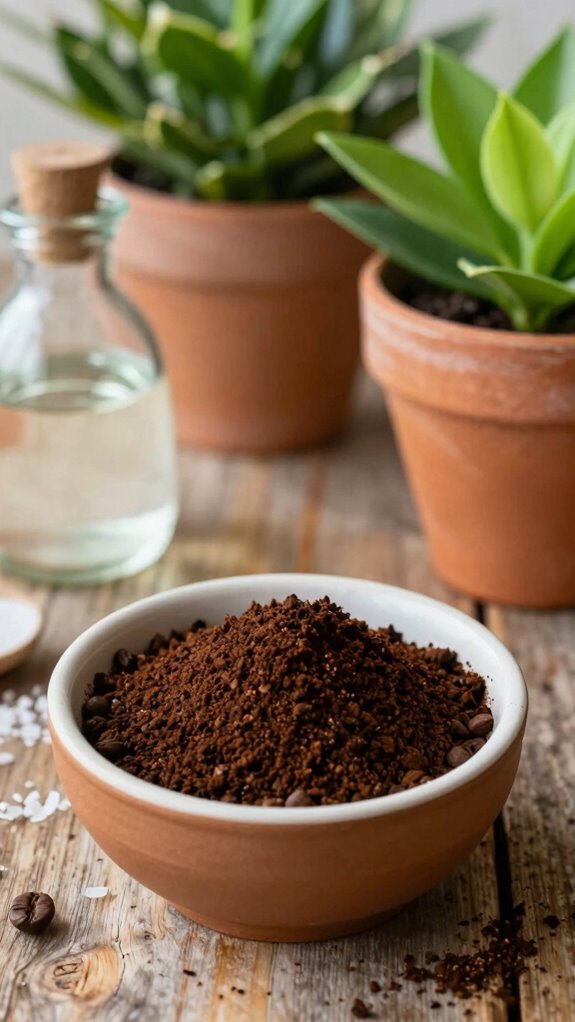
Coffee grounds aren’t just for brewing-they’re a secret weapon for creating homemade skincare scrubs that exfoliate and nourish your skin.
To whip up a coffee grounds scrub, you’ll need three main components: your coffee grounds (dried and fresh), a moisturizing base like coconut oil or yogurt, and an optional exfoliant like sugar.
I’ll walk you through two simple recipes that transform your used coffee grounds into a spa-worthy skincare treatment that’ll leave your skin feeling smooth and refreshed.
Ingredients
Transform your leftover coffee grounds into a luxurious, all-natural body scrub using just a few simple ingredients. Used coffee grounds-typically destined for the compost bin-can become an incredible exfoliating scrub with minimal effort.
The key ingredients are straightforward: one cup of dried coffee grounds, 1/4 cup coconut or olive oil, and two tablespoons granulated sugar. For sensitive skin, I recommend sifting grounds to create a finer texture and mixing with yogurt or honey.
Pro tip: Add 5-10 drops of essential oil for fragrance, but always patch-test first to prevent potential skin irritation.
Equipment
Whip up your coffee grounds scrub with just a few basic kitchen tools you’ll likely have on hand. You’ll need a coffee filter or mesh strainer to sift and dry your used grounds, ensuring a smooth, non-gritty texture. An airtight glass jar works perfectly for storage, keeping your DIY scrub fresh in the refrigerator.
| Tool | Purpose | Benefit |
|---|---|---|
| Coffee Filter | Sifting Grounds | Smooth Texture |
| Mesh Strainer | Drying Grounds | Even Consistency |
| Glass Jar | Storage | Prevents Rancidity |
Gather these simple items, and you’re ready to transform your leftover coffee grounds into a luxurious body scrub.
Instructions
Let’s dive right into creating your homemade coffee grounds scrub with a few simple steps that’ll transform your leftover grounds into a luxurious skincare treatment.
After brewing your morning coffee, don’t toss those used grounds-they’re perfect for a DIY body scrub!
Key steps for crafting your scrub:
- Collect used coffee grounds and dry them completely to prevent mold
- Mix 1/2 cup dried grounds with 1/4 cup coconut oil and 1–2 tablespoons sugar
- Test a small skin patch first to check for sensitivity
Apply gently in circular motions on damp skin, avoiding broken areas, and rinse thoroughly with warm water.
Can coffee grounds clean and deodorize?
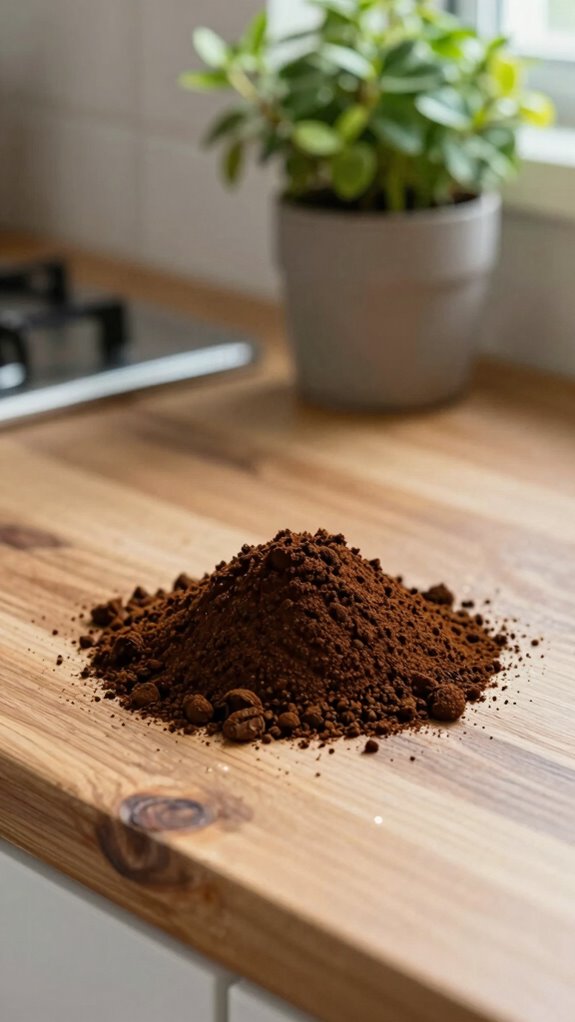
Coffee grounds can breathe new life into your cleaning and deodorizing routine, offering a natural, eco-friendly alternative to chemical-laden products.
As a coffee lover, I’ve discovered these grounds are more than just a morning brew – they’re a versatile cleaning powerhouse. Their coarse texture makes them an excellent abrasive scrub for removing stubborn food residue from pots and pans without harsh chemicals.
Need to neutralize odors? Dry coffee grounds are your secret weapon. Sprinkle them in trash cans, garbage disposals, or place a container in your fridge to absorb and mask unpleasant smells effectively.
Compost, mulch, and natural pest control
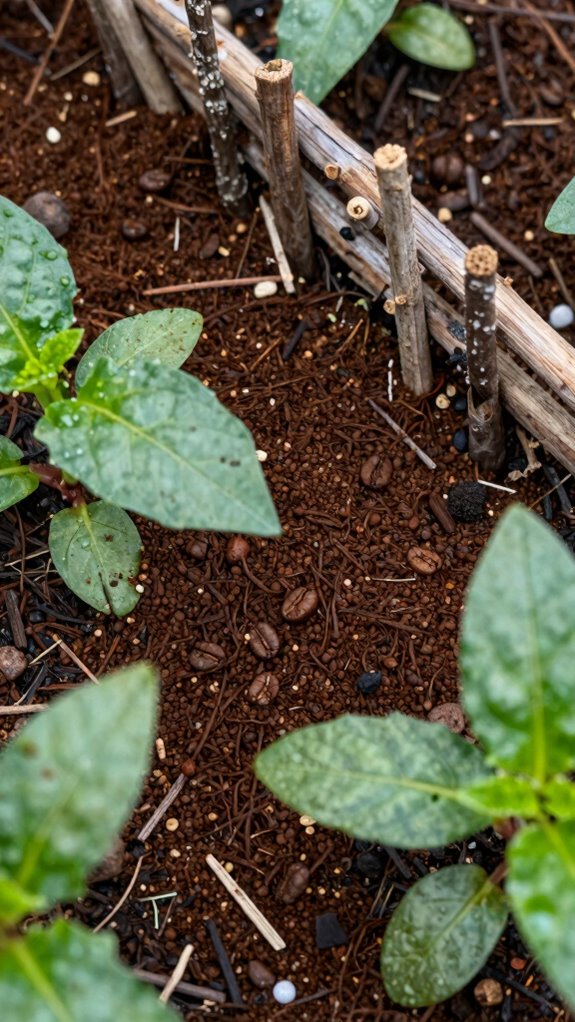
Beyond cleaning and deodorizing, your used coffee grounds can become a gardener’s secret weapon for composting, mulching, and natural pest control.
These nutrient-rich remnants offer multiple garden benefits when used strategically:
- Add used coffee grounds to compost at 25-30% volume for nitrogen boost
- Mix grounds with leaves or straw to create excellent garden mulch
- Scatter grounds around garden edges to naturally deter slugs and cats
Composting coffee grounds first helps prevent potential issues like excess acidity or pest attraction.
When applied thoughtfully, these grounds transform from morning brew waste into a valuable gardening resource, enriching soil and supporting plant health with minimal effort.
Store, dry, and use grounds safely
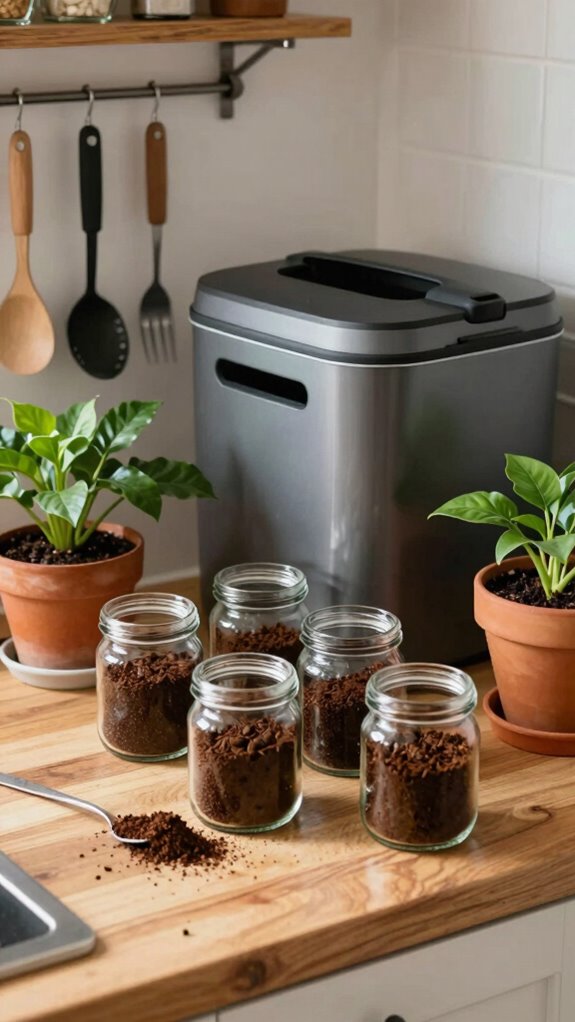
When you’re eager to maximize every bit of your coffee grounds, proper storage and drying techniques become essential for preserving their usefulness and preventing potential waste.
Start by spreading used coffee grounds in a thin layer to air-dry for 48 hours or bake at 200°F for 20–30 minutes.
Store dried grounds in an airtight container in a cool, dark place-or freeze for long-term storage.
Label containers with the date and ground type.
Remember, used grounds (pH 6.5–6.8) are better for plants than fresh, more acidic grounds.
Always discard grounds that smell sour or musty.
Frequently Asked Questions
Which Indoor Plants Like Coffee Grounds?
I recommend coffee grounds for pothos, philodendron, peace lily, snake plant, and some palms. They’ll appreciate the nitrogen boost and slight acidity. Just apply sparingly-no more than a light top-dressing every few weeks.
Which Plants Don’t Like Coffee Grounds?
Lavender, lilac, clematis, succulents, cacti, ferns, rosemary, and alkaline-loving houseplants absolutely despise coffee grounds. They’ll suffer from root rot, stunted growth, and nutrient imbalances that’ll make your green dreams wither faster than you can say “espresso”!
Can You Put Ground Coffee on House Plants?
I recommend using only used, dried coffee grounds sparingly on houseplants. Sprinkle thinly on soil, mix into water as a weak tea, and avoid thick layers to prevent moisture issues and potential root damage.
How Often Should You Put Coffee Grounds in Houseplants?
I recommend using coffee grounds on houseplants sparingly: once a week during active growth, or every two weeks for sensitive plants. Always apply a thin layer and watch for negative plant reactions like yellowing leaves or slowed growth.
In Conclusion
Coffee grounds are liquid gold for your home and garden, turning waste into wonder! From deodorizing spaces to nourishing plants, these aromatic remnants are eco-friendly superheroes. Whether scrubbing stubborn pans, enriching compost, or creating natural pest barriers, understanding what coffee grounds are good for opens up endless possibilities for sustainable living.
Now that you know the incredible potential hiding in your filter basket, why let any of this goodness go to waste? If you’re brewing with an older machine or ready to upgrade, check out our coffee machine reviews to find models that not only deliver exceptional coffee but also make collecting those valuable grounds easier. The right machine means better coffee today and a greener home tomorrow.