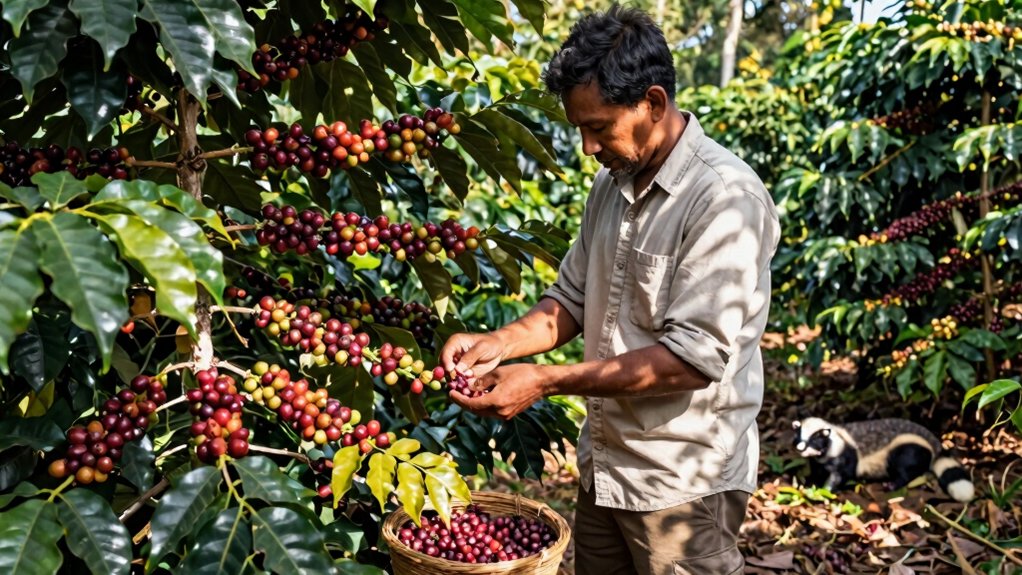


Ever wonder if rinsing your coffee beans is like washing fruit, removing hidden grime? Nope. Roasting zaps any bacteria with heat up to 485°F, so your beans are already clean. Water dulls their bright, aromatic oils and clumps grounds, leading to bitter or flat brews.
Plus, moisture can wreck your grinder over time. But what if static’s driving you nuts during grinding? There’s a smarter fix, one pro baristas swear by.
Table of Contents
Should you wash coffee beans before grinding?

Let’s clear this up right away: no, you shouldn’t wash coffee beans before grinding. You don’t need to wash roasted beans, commercial roasting exceeds 200°C, killing surface contaminants. Wetting coffee beans before grinding? Big mistake.
Water activates oils and solubles, dulling aroma and hurting flavor. Even a few drops cause grounds to clump, messing up even extraction and clogging your Coffee Grinder. Clumped grounds mean inconsistent grinds, uneven brews, and frustrated mornings.
Plus, moisture invites mold and rust inside your grinder, shortening its life fast. If beans look moldy or dirty, toss ’em. Trust the roast; keep beans dry. Your brew, and grinder, will thank you.
What happens if you rinse roasted beans?

What could go wrong if you rinse roasted coffee beans? Rinsing roasted beans introduces moisture that wreaks havoc on flavor and equipment. That extra water causes grounds to clump, clogging grinders and creating uneven particle size, messing up extraction.
Wet beans also gum up burrs with sludge, increasing wear and rust risk. Moisture activates delicate aroma compounds too soon, dulling acidity and leaving your cup flat. Even if you dry them, uneven drying leads to charring or flavor defects.
And worst? Residual moisture promotes mold. Skip the rinse, protect your grinders, your beans, and your brew’s bright, nuanced flavor. Trust me, your coffee (and grinder) will thank you.
Will washing beans improve coffee flavor?

While it might seem like a good idea to rinse off roasted coffee beans before grinding, doing so won’t improve your brew, one survey of specialty roasters found that 94% agree rinsing adds no flavor or safety benefit.
Moisture is the enemy here. Even a quick rinse activates soluble oils and aromatics in roasted coffee beans too early, dulling the bright, complex notes you love.
When you grind wet beans, clumping ruins particle consistency, leading to uneven extraction and flat flavor.
Plus, leftover moisture can clog your grinder and promote mold or corrosion over time. Skip the rinse, trust the roast. Your coffee will taste cleaner, brighter, and more vibrant.
Roast heat already sanitizes your beans

Because roasting heats beans well above 200°C (392°F), any surface bacteria or microbes are already destroyed long before they reach your grinder, so no, you don’t need to wash them for safety. Roast heat thoroughly sanitizes roasted beans, making extra cleaning pointless. In fact, commercial processes ensure beans are in sanitary conditions from roaster to bag.
| Step | Process | Effect on Sanitation |
|---|---|---|
| 1 | Washing pre-roast | Removes dirt/debris |
| 2 | Roasting | Heat sanitizes completely |
| 3 | Polishing | Smooths surface |
| 4 | Sealing | Maintains sanitary conditions |
| 5 | Storage | Preserves freshness & safety |
Adding water later risks mold and flavor loss, roast heat already did the job.
Is the Ross Droplet Technique safer?

If you’re wondering whether the Ross Droplet Technique (RDT) makes your coffee safer, the short answer is no, it’s not about sanitation. RDT uses a tiny splash of water (less than 0.05% of bean mass) to reduce static, especially in dry climates, helping you achieve a more consistent grind. It doesn’t clean green beans or remove contaminants, roasting already handles that.
When done right, RDT is safe for your grinder, but overuse can hurt cleaning and maintenance by encouraging clumping or corrosion over time. Keep it minimal: one or two misted droplets per dose. Trust me, your grinder, and your morning espresso, will thank you.
Keep grinders safe from moisture damage

You shouldn’t wash your coffee beans before grinding, plain and simple.
Moisture is a burr grinder’s worst enemy. Even a few drops can soften coffee beans, messing with grind size and clogging fine espresso settings. Damp coffee grounds turn into sludge, jamming your doser or hopper, especially in high‑speed grinders.
Wet beans also encourage mold and bacteria in the chute, risking your health. Plus, water on steel burrs and motor shafts causes rust over time, cutting your grinder’s lifespan by up to 40% (National Coffee Association).
Keep it dry: brush beans clean, wipe parts after maintenance, and store beans at ~10–12% moisture.
Washed process coffee is totally different.

While the idea of rinsing your beans might sound like a quick clean, washing your coffee at home has nothing to do with the “washed process” you see on specialty bags, and mixing them up could mess with your morning brew.
Washed process refers to how farmers handle coffee after harvest, not something you should do at home. Consumer-level rinsing risks moisture damage and off-flavors. Instead, trust the work already done: washed green beans are cleaned, fermented, and dried to 10–12% moisture for optimal coffee brewing.
| Process Step | Washed Process | Home Rinsing |
|---|---|---|
| Done at | Farm/mill | Consumer |
| Purpose | Flavor clarity | Misguided clean |
| Result | Bright, clean cup | Mold, roast defects |
Frequently Asked Questions
Can You Wash Coffee Beans Before Grinding?
No, I don’t wash my coffee beans before grinding, they’re sterile after roasting. Water ruins flavor, clumps grounds, and risks mold.
If static’s an issue, I use a quick mist. Keep beans dry, fresh, and grinder-safe.
Should You Wet Your Coffee Beans Before Grinding?
No, I don’t wet my beans, it’s pouring gasoline on a campfire. A single mist might tame static, but too much water ignites clumping, mold, and flavor loss. I keep mine dry, fresh, and ready, only flirting with mist when my grinder rebels in winter’s dry bite.
What Is the 80/20 Rule for Coffee?
The 80/20 rule for coffee means I focus on the few things that matter most, like fresh beans, grind size, and water quality, because they give me 80% of the flavor with just 20% of the effort.
Why Do People Spray Water on Coffee Beans Before Grinding?
I spray a drop of water on beans before grinding because it cuts static, so grounds don’t stick to my grinder or fly everywhere, tiny moisture helps them flow better and waste less.
In Conclusion
No, never wash your beans before grinding, they’re already clean from roasting. Water’s like a party crasher: it dulls aromas, clumps grounds, and risks ruining your grinder with corrosion or mold. I’ve seen grinders gunk up in weeks when exposed to moisture, not a pretty sight.
Instead, toss any funky‑looking beans, store yours airtight and dry, and if static’s driving you nuts, try the Ross Droplet Technique with one tiny spritz. Trust me, your coffee’s flavor will thank you.