
I’m often asked, “Can I drink coffee while pregnant?” Yes, you can, but you should limit your caffeine to under 200mg daily, about two small cups. This guideline is based on research from groups like the American College of Obstetricians and Gynecologists, which links higher intake to increased risks.
Let me show you how to enjoy your brew safely and even craft a satisfying low-caffeine latte.
Table of Contents
Should you drink coffee while pregnant?
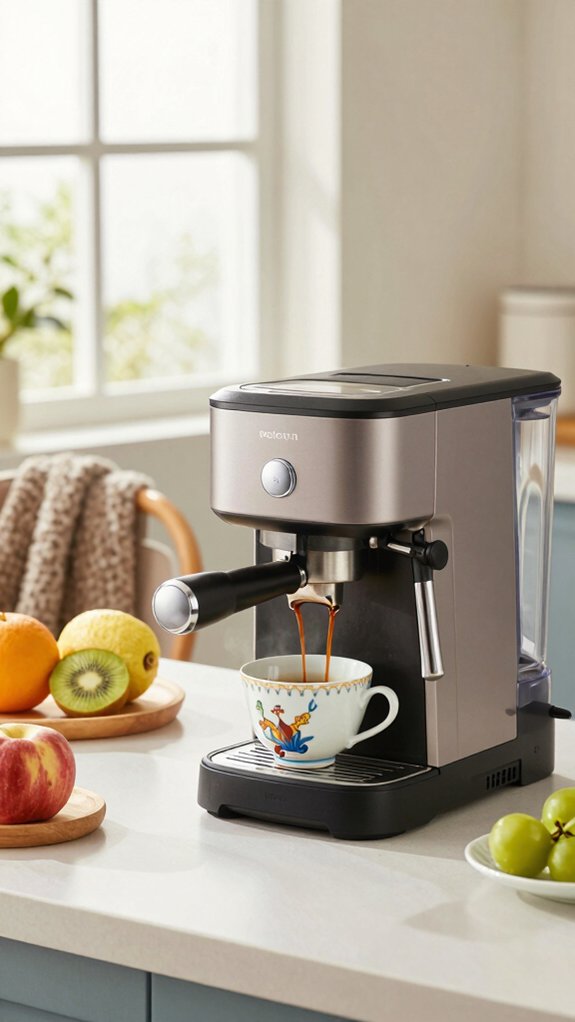
While you can drink coffee while pregnant, experts strongly advise limiting your daily caffeine intake to less than 200 milligrams. That’s roughly two small cups of coffee.
Sticking to these safe limits is crucial, as high consumption is linked to increased risks like miscarriage and low birth weight. Since caffeine reaches your baby, it can affect their tiny metabolism.
My advice? Track all your sources; tea, soda, and chocolate count, too! Always discuss your intake with a healthcare professional for personalized guidance.
For us coffee lovers, this doesn’t mean giving up your ritual, just enjoying it more mindfully for your health and your baby’s.
How much caffeine is safe in pregnancy
Experts recommend keeping your daily caffeine under 200 milligrams when you’re pregnant. Staying at or below this 200 mg limit helps minimize risks associated with high caffeine intake.
As a coffee lover myself, I know this feels restrictive, but it’s about balancing enjoyment with well-being.
Here’s how to manage your caffeine intake:
Know Your Brew: One 12-ounce cup of brewed coffee often hits the daily limit.
Track All Sources: Caffeine is in tea, soda, and chocolate, not just coffee.
Choose Safe Drinks: Opt for decaf or half-caff to easily limit caffeine intake.
Read Labels: Check medications and energy drinks, as they add up quickly.
This approach lets you enjoy your ritual while prioritizing a healthy pregnancy.
Other everyday drinks that add caffeine
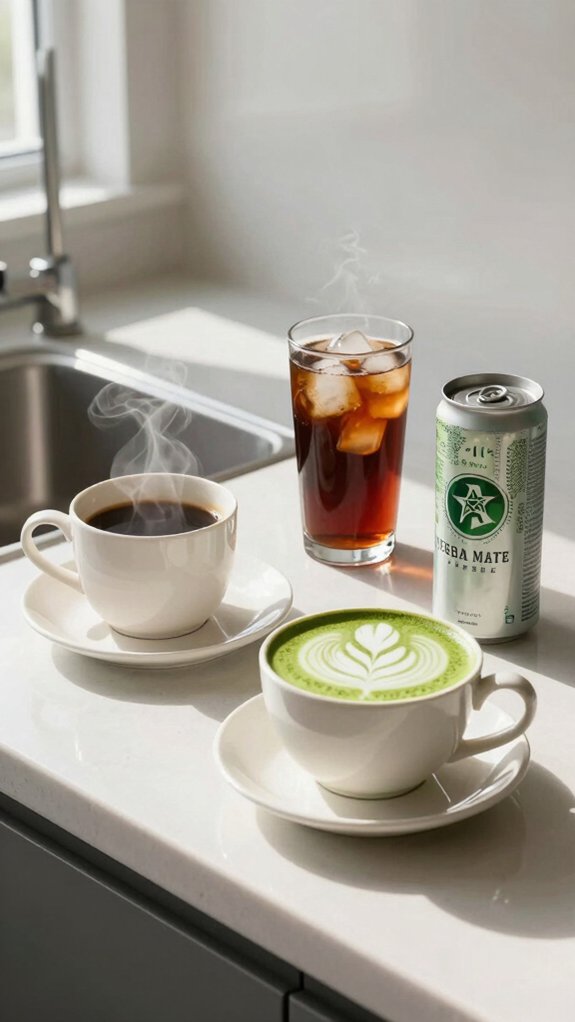
Where else might you encounter caffeine besides your morning cup?
Your daily caffeine consumption during pregnancy includes many foods and drinks. Popular caffeinated drinks like black tea (around 45mg per 6oz) and green tea (around 40mg) add up.
A can of soda often provides around 37mg, while energy drinks can pack up to 80mg per serving.
Even some medications and chocolate contain it. I always remind my readers to check labels, as that afternoon tea or snack bar contributes to your total amount of caffeine.
It’s easy to overlook these sources, but tracking them is key to staying within the recommended safe limit of 200mg per day for a healthy pregnancy.
Brewing method changes caffeine and flavor
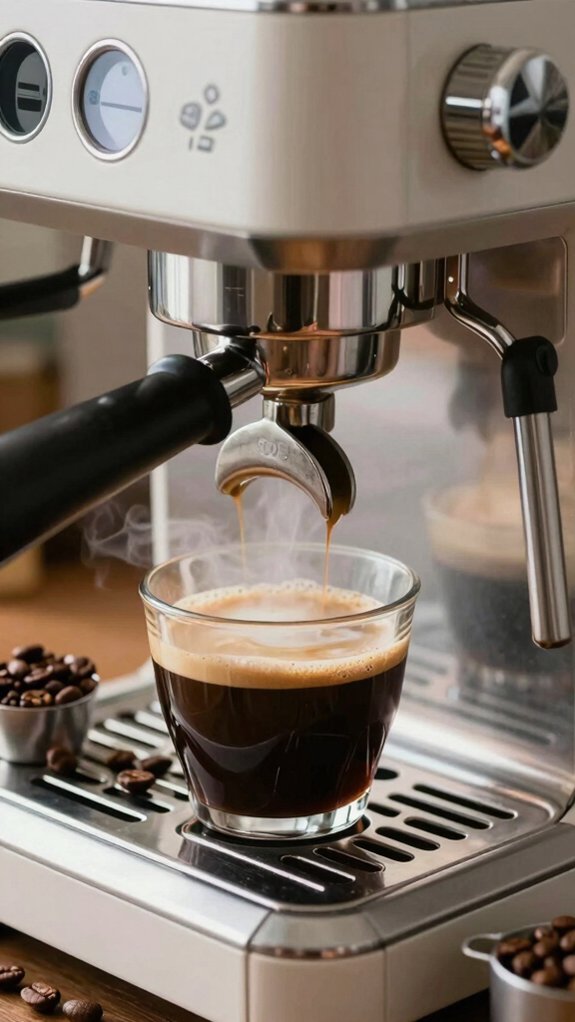
- Choose a pour-over or standard drip for a more predictable, moderate caffeine level.
- Opt for a single shot of espresso over a large latte to control total intake.
- Select instant coffee; it’s a consistent, middle-ground option at about 100 mg per cup.
- Remember, flavor and aroma vary beautifully with each technique, making it safe to eat and enjoyable to explore mindful alternatives.
Is decaf coffee safe in pregnancy?
How much of a relief is it to know you can still savor that comforting cup while pregnant?
I’m happy to confirm decaf coffee is generally safe, with just 2-5 mg of caffeine per cup. This lets you enjoy the ritual without hitting the recommended limit of 200 mg daily from all sources.
Monitoring your total caffeine intake is key to avoiding pregnancy complications. Always check labels, as some decaf has trace caffeine.
Your specific health needs matter, so getting expert advice from your healthcare provider is a smart final step. They can help you set safe limits, ensuring your coffee routine supports your well-being.
Easy ways to cut caffeine intake
Now that we know decaf is a safe option, let’s explore some simple, effective strategies to reduce your overall caffeine intake during pregnancy, because managing that daily total is what truly keeps you and your baby safe.
Staying under the 200mg safe limit is easier with a few clever swaps.
Make the gradual switch: Blend your regular coffee with decaffeinated, increasing the decaf ratio each week to effortlessly reduce intake.
Rethink your cup size: Opt for a small serving of a fully caffeinated drink, savoring half a cup instead of a full mug.
Discover new favorites: Explore herbal teas or sparkling water. Staying hydrated with these drinks can boost energy without caffeine.
Become a label detective: Check snacks and medications, as hidden caffeine can quietly push you past pregnant safe limits.
How to make a low-caffeine latte
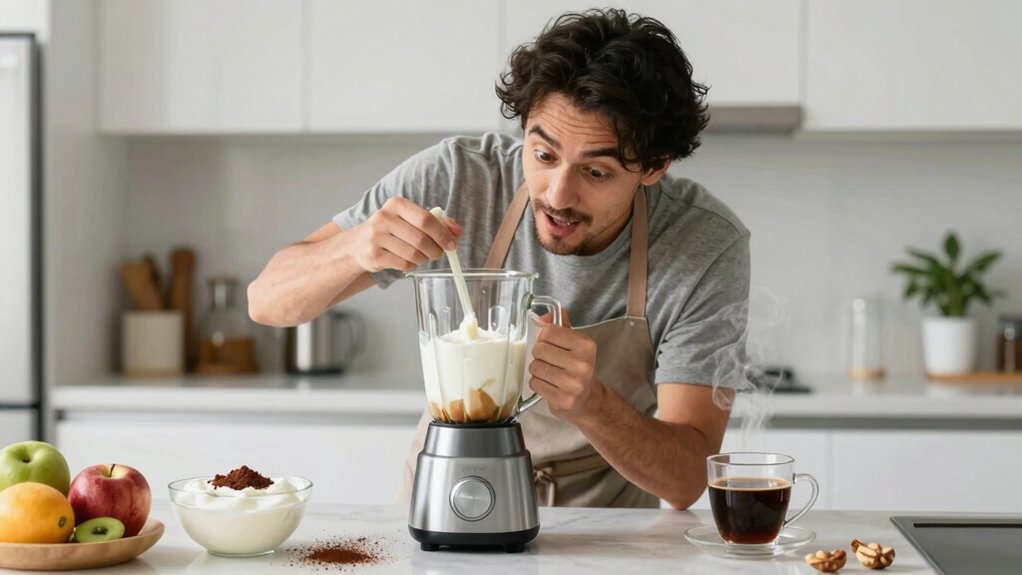
I’ll show you how to make a satisfying low-caffeine latte by focusing on three key areas: the right ingredients, simple equipment, and easy-to-follow instructions.
First, I use decaf espresso, which has just 2-5 mg of caffeine per ounce, and pair it with steamed milk in a 1:1 ratio for creaminess.
Then, I’ll walk you through the steps to combine these with your favorite caffeine-free flavors for a delicious, pregnancy-friendly treat.
Ingredients
Since you’re looking to enjoy a latte while pregnant, let me show you how to craft one with minimal caffeine by starting with the right ingredients.
Managing your caffeine intake is key to staying within safe limits during pregnancy, as studies link high consumption to an increased risk of miscarriage. A satisfying low-caffeine latte starts with a thoughtful base.
- Decaffeinated Espresso: Use a single shot (1 oz) of decaffeinated coffee, which contains just 2-5 mg of caffeine.
- Steamed Milk: Choose your favorite dairy or plant-based milk for a creamy, nourishing texture that fits a healthy diet.
- Simple Syrup: Flavor with a splash of vanilla or caramel syrup for sweetness without any added caffeine.
- The Right Cup: Serve in an 8-12 oz cup to perfectly balance your drink and your daily limits.
Equipment
| Equipment | Purpose for a Low-Caffeine Latte |
|---|---|
| Espresso Maker | Brews a precise single shot to control caffeine intake. |
| Milk Frother | Steams your milk alternative, creating that creamy texture. |
| Kitchen Scale | Ensures you use the correct coffee dose for less caffeine. |
| Favorite Mug | Makes your latte feel special, almost like a comforting mug of tea. |
Instructions
To craft your low-caffeine latte, you’ll first need to pull a precise single shot of espresso, which gives you that rich coffee flavor while keeping caffeine between 47-64 mg, a fraction of the 95 mg found in a typical brewed cup.
This mindful approach helps pregnant people easily stay within the recommended safe limits of less than 200 mg of daily caffeine intake.
- Steam 6-8 oz of milk until creamy and velvety, gently pouring it over your espresso shot.
- Add a pump of syrup like vanilla for flavor without any added caffeine.
- For the mildest option, use decaf espresso to further minimize the effects of caffeine.
- Always check all ingredient labels to ensure no hidden sources sneak in.
Frequently Asked Questions
How Much Coffee Can You Safely Have While Pregnant?
I can safely have less than 200 mg of caffeine daily, which is about two small cups of coffee. I must count all my caffeine sources and stick to this limit for my baby’s health.
How Many Cups Is 200MG of Coffee?
Navigating caffeine limits is like balancing on a tightrope. Two hundred mg is roughly two cups of brewed coffee for me, but sizes and brews vary wildly, so I always check specific amounts.
How Does Caffeine Affect a Baby During Pregnancy?
I can cross the placenta, potentially affecting your baby’s metabolism and development.
High intake is linked to low birth weight, miscarriage, and may alter their sleep or movement patterns before birth.
In Conclusion
Yes, you can enjoy coffee while pregnant by sticking to safe limits. I always tell fellow coffee lovers to keep daily caffeine under 200mg, that’s about two small cups.
Consider it the icing on the cake; savor it slowly and make it count by choosing a single, well-brewed cup. Opt for decaf or half-caf blends to easily stay within bounds, ensuring you and your little one are well.
Cheers to a safe and satisfying brew!