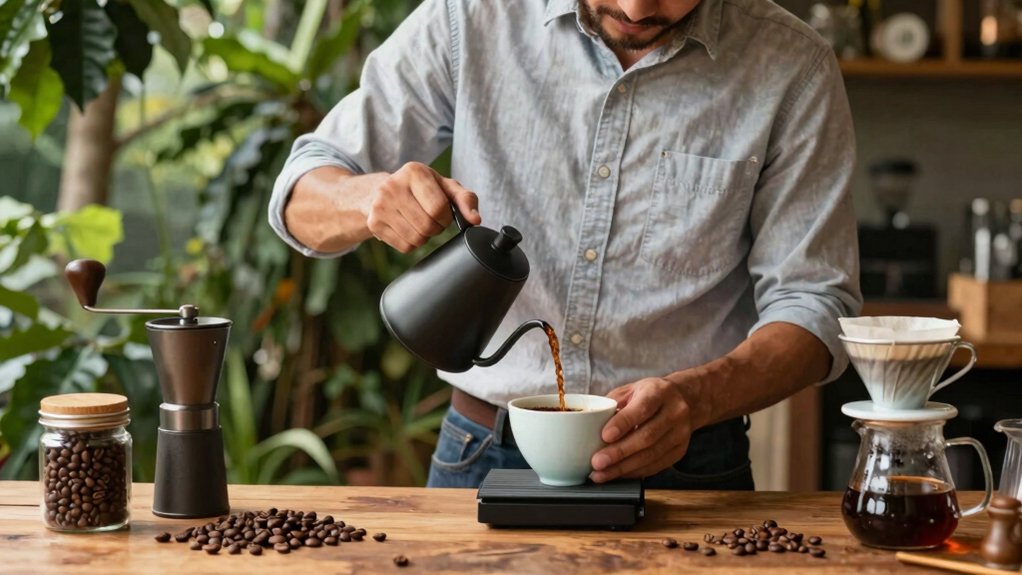


You might not realize it, but caffeine can actually boost your alertness when you’re dragging from a cold, up to 80% of people feel mentally sharper after a small coffee, according to a 2023 Journal of Th978 National Coffee Association survey. I’ve seen many home baristas reach for their usual morning brew, not knowing how it affects congestion, hydration, or sleep.
The trick is knowing when it helps, when it backfires. Let’s break down what actually happens in your body.
Table of Contents
Should you drink coffee with a cold?

If you’re wondering whether it’s okay to sip your morning brew while fighting a cold, the short answer is yes, in moderation.
A cup or two of coffee can boost alertness and psychomotor performance when you’re feeling under the weather, thanks to caffeine. The warmth may soothe a sore throat and help loosen mucus, especially with a spoon of honey.
But caffeine’s diuretic effect can impact hydration, so drink water with each cup. Avoid coffee if you’re dehydrated from vomiting or diarrhea.
Skip caffeine 6–8 hours before bed, poor sleep slows recovery, opt for decaf or warm non-caffeinated drinks instead.
Benefits and downsides for cold symptoms

While you’re nursing a cold, a cup of hot coffee can actually work in your favor, just don’t overdo it.
The warmth and steam may ease a sore throat and loosen mucus, especially if you stir in honey, recommended by the WHO for cough relief. Caffeine can boost alertness, per a University of Bristol study, helping you feel more awake.
But beware: caffeine’s diuretic effect may worsen dehydration, thickening mucus. It can also disrupt sleep if consumed too late, slowing recovery. Coffee’s acidity might aggravate stomach upset or interact with stimulant cold medication.
Stick to 1–2 cups daily, or switch to decaf if symptoms flare.
Can I drink coffee with cold medicine?

Ever wonder whether your morning coffee plays well with cold meds? Mixing caffeine and cold medicine can be tricky. Avoid combining stimulants, like caffeine with pseudoephedrine, since it can spike jitteriness. Some antibiotics affect caffeine metabolism, increasing side effects, so check labels.
If your med causes drowsiness, caffeine counters drowsiness but may disrupt rest. Many OTC products contain hidden caffeine, always read ingredient labels to prevent double dosing. Limit coffee to 1–2 cups daily, and drink extra water to offset diuretic effect and support hydration.
When in doubt, consult pharmacist or provider, especially if on multiple meds. Stay smart, stay cozy, and protect your recovery.
How much caffeine is okay when sick

When you’re under the weather, sticking to 1–2 cups of coffee a day, about 80–200 mg of caffeine, is usually safe and can even help you feel more alert without wrecking your recovery.
To protect your rest, limit coffee and stop caffeine intake at least 6–8 hours before bed to prevent sleep disruption. If you’re battling vomiting or diarrhea, skip caffeinated coffee, its diuretic effect adds to dehydration risk. Prioritize water or oral rehydration solutions instead.
Also, if cold symptoms like acid reflux or stomach pain flare up, consider decaf coffee (it has trace caffeine) or low‑acid cold‑brew. And watch for drug interactions, especially with stimulant cold meds.
Who should skip coffee with a cold?

If your body’s already fighting hard, adding caffeine to the mix might do more harm than good, so let’s be honest about who should skip coffee when cold symptoms hit.
| If you have… | Then consider… |
|---|---|
| Dehydration or diarrhea | skip coffee to avoid worsening fluid loss |
| Acid reflux or stomach ulcers | caffeine can increase irritation |
| A sore throat or thick mucus | decaf or warm tea soothes better |
| Sleep disruption | avoid caffeine 6–8 hours before bed |
| Medication interactions | check with your doctor, some drugs clash with coffee |
Your body heals best with rest and hydration. When in doubt, swap your brew for decaf or a cozy herbal cup. Your immune system will thank you, no espresso required.
How to make soothing honey ginger coffee

I’ll show you how to make a cozy, soothing honey ginger coffee that’s easy on your throat and full of comforting benefits.
All you need are a few simple ingredients and your favorite mug to get started.
It’s a gentle pick-me-up that feels good to sip when you’re under the weather.
Ingredients
A perfectly crafted honey-ginger coffee can be your go-to comfort drink when you’re nursing a cold, warm, soothing, and gently invigorating.
Here’s what you’ll need:
- Honey & ginger : 1 tsp each, for natural sweetness and anti-inflammatory power.
- Low-acid coffee or cold-brew : easier on your stomach, especially if you have reflux.
- Lemon (½ tsp) : adds vitamin C, but skip it if acidity bothers you.
- Water (250 mL glass) : drink alongside to stay hydrated and thin mucus.
Use decaf for a gentler option.
I always opt for freshly grated ginger, it packs more warmth and flavor.
This blend isn’t just comforting, it’s smart self‑care in a mug.
Equipment
Your kitchen is already stocked with everything you need to brew a comforting cup of honey ginger coffee, no fancy gear required, just a few smart tools and simple techniques.
For smooth, warm coffee that won’t irritate your throat, I always use a fine mesh strainer or paper filter. It removes gritty coffee grounds and fibrous ginger bits, leaving a silky drink. Whether you’re using regular or decaf, straining makes it soothing.
Keep hydration in mind, pair your coffee with water or an electrolyte drink. Caffeine can be dehydrating, but this combo keeps you balanced.
Pro tip: Heat coffee to 50–60°C (122–140°F), hot enough to loosen mucus, not so hot it burns.
Instructions
Let’s make your coffee work double duty, warming your hands and soothing your cold symptoms, one comforting sip at a time.
To ease your throat and fight fatigue, try this soothing honey‑ginger coffee:
- Brew a mild 6–8 oz cup of coffee, perfect for your morning cup without excess caffeine.
- Simmer 1–2 inches of fresh ginger in water, then blend with coffee to calm nausea.
- Stir in 1 tsp honey for antimicrobial benefits and a touch of sweetness.
- Add 1 tsp lemon (if tolerated) for vitamin C and brightness.
Keep it warm, sip slowly, stay hydrated, and skip it if you’re vomiting or on decongestants.
Smart alternatives to coffee when sick

When you’re under the weather, swapping out your morning coffee doesn’t mean giving up warmth or comfort, just the jolt.
Try decaf or herbal tea like chamomile or ginger, they’re soothing and caffeine‑free. I love starting with warm lemon water and honey; it’s gentle on my throat and boosts hydration fast.
When congestion hits, chicken soup delivers electrolytes and mild anti‑inflammatory perks. If I’m losing fluids from fever or vomiting, I reach for oral rehydration drinks, coffee would only worsen dehydration.
And if I need a lift? Matcha or green tea offer steady, low caffeine plus immune‑supporting antioxidants, less acidic, more balance.
Frequently Asked Questions
Does Caffeine Make Congestion Worse?
I don’t think caffeine directly worsens congestion, but it can dry me out. If I’m not careful, that dehydration thickens mucus. I’ll skip extra coffee and drink more water to stay clear.
In Conclusion
Yes, you can drink coffee when you have a cold, but keep it light and smart. Think of caffeine as a helpful sidekick, not the main hero (that’s rest and hydration). Stick to 1–2 cups max, sip water like it’s your job, and skip it if you’re dehydrated or on stimulant meds.
Swap to decaf or honey-ginger brew if your throat’s screaming. Your body will thank you, promise.