
A recent study found that nearly 60% of frequent flyers avoid airplane coffee, and I think they’re onto something.
While I crave caffeine, the water tanks can harbor bacteria, and the brew often tastes flat due to stale water and bulk methods.
But I’ve found a few clever workarounds for a safer, tastier cup that might just change your in-flight routine.
Table of Contents
Should you drink coffee on a plane
Should you drink coffee on a plane? Personally, I’m cautious, and it all comes down to the water quality.
That coffee is brewed from water stored in the plane’s airplane water tanks, and a 2019 study found coliform bacteria in many of them.
While airlines disinfect tanks, protocols vary.
I watch the crew; if they avoid the coffee, I do too.
Since up to 98% of your cup is water, poor water ruins both safety and taste.
For a guaranteed safe and better-tasting option, I always request my brew made with hot bottled water.
It’s a simple switch that lets you enjoy your caffeine fix without the worry.
Is airplane coffee safe and clean
| Concern | Reality |
|---|---|
| Brewing Temp | Kills most germs (>190°F) |
| Water Source | Onboard tanks, rarely cleaned |
| Contamination | Coliform & E. coli found |
| Crew Choice | Many opt for bottled drinks |
Ultimately, the risk is low, but the water quality, and thus the taste, can be questionable.
Why does coffee taste worse onboard
Because the water making up your cup matters just as much as the beans, airplane coffee often disappoints due to the stale, mineral-heavy water stored in the plane’s tanks.
Since up to 98% of your brew is water, its quality is everything. Here’s a breakdown of why your in-flight cup falls flat:
Water Source: The airplane uses the same stored, mineral-heavy water for brewing as in the lavatories, which can sit for days.
Bulk Brewing: The coffee is typically pre-ground and made in large batches, sacrificing freshness.
Taste Impact: This combination creates a flat, often bitter tasting experience that many crew avoid.
Bacteria Notes: Stale water tanks can harbor coliform bacteria, further compromising flavor and cleanliness.
Caffeine, jet lag, and hydration timing
Also, caffeine is a diuretic, so pairing it with plenty of water is non-negotiable for proper hydration.
The dry cabin air dehydrates you quickly.
I always follow one cup of coffee with a full glass of water.
This balance helps you stay sharp without the post-flight crash, making your travel day much smoother.
Better in-flight coffee choices and alternatives
Choose bottled or canned beverages over anything brewed with onboard water.
Pack a ready-to-drink coffee can for a guaranteed taste and safety win.
Observe flight attendants; if they avoid the galley coffee, you should too.
Grab a fresh cup at the airport before boarding for a hot, worry-free fix.
This way, you get a great caffeine experience without the guesswork.
How to brew a better cup onboard
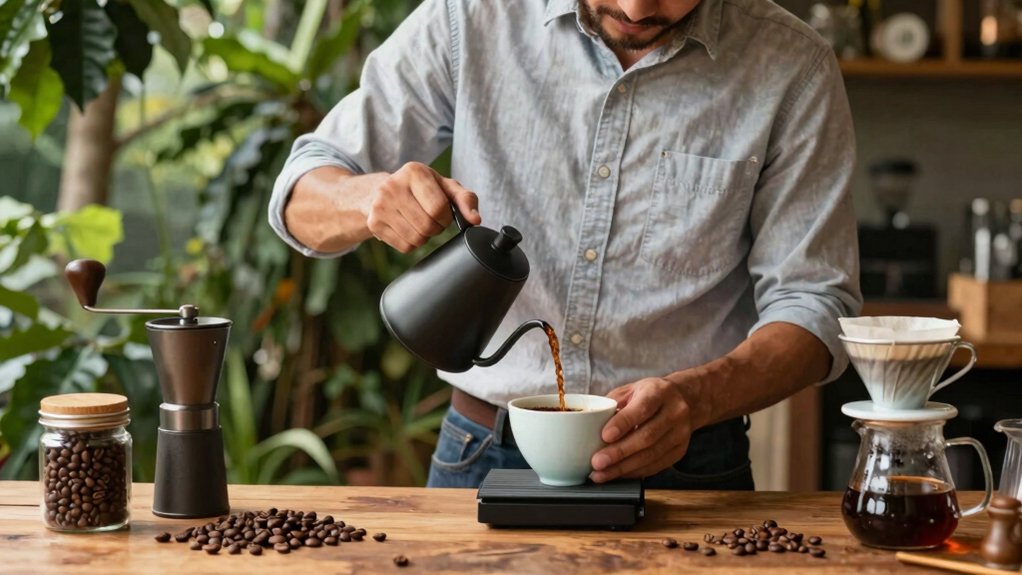
I can show you how to brew a better cup onboard by focusing on three things: your ingredients, your equipment, and your simple instructions.
First, I always pack my own pre-ground coffee and use bottled water, since a 2019 EPA study found airplane water tanks can harbor coliform bacteria.
With just a portable brewer and these fresh supplies, you’re set to make a clean, flavorful cup that rivals any café.
Ingredients
Several key ingredients can help you brew a better cup of coffee onboard, starting with the most important one: your water.
The drinking water in airplane tanks isn’t always the best for coffee, as it can affect safety and taste.
I always use bottled spring water; it’s a simple swap that makes a huge difference.
For a truly great in-flight cup, focus on these four elements:
Water: Never use tap water from the plane. Stick to bottled water for a safe, clean-tasting brew.
Coffee: Bring your own pre-ground coffee stored in an airtight container to guarantee freshness.
Method: Use a portable brewer designed for bottled water to control the process.
Backup: Have ready-to-drink coffee or even coffee chews handy for a guaranteed good sip.
Equipment
| Your Kit | Onboard Reality |
|---|---|
| Portable brewer | Bulky, communal machines |
| Bottled water | Tank water, often stale |
| Fresh grounds | Old, pre-ground coffee |
| Your clean cup | Unknown cup cleanliness |
| Total control | Uncontrolled variables |
This simple setup bypasses the equipment issues, ensuring a great brew every time.
Instructions
Bring your own ground coffee for a fresh, quality base.
Use bottled spring water to avoid stale, mineral-heavy airplane water.
Opt for ready-to-drink cans as a convenient, tasty alternative.
Pack coffee chews for a quick, no-brew caffeine fix.
TSA rules for bringing coffee aboard
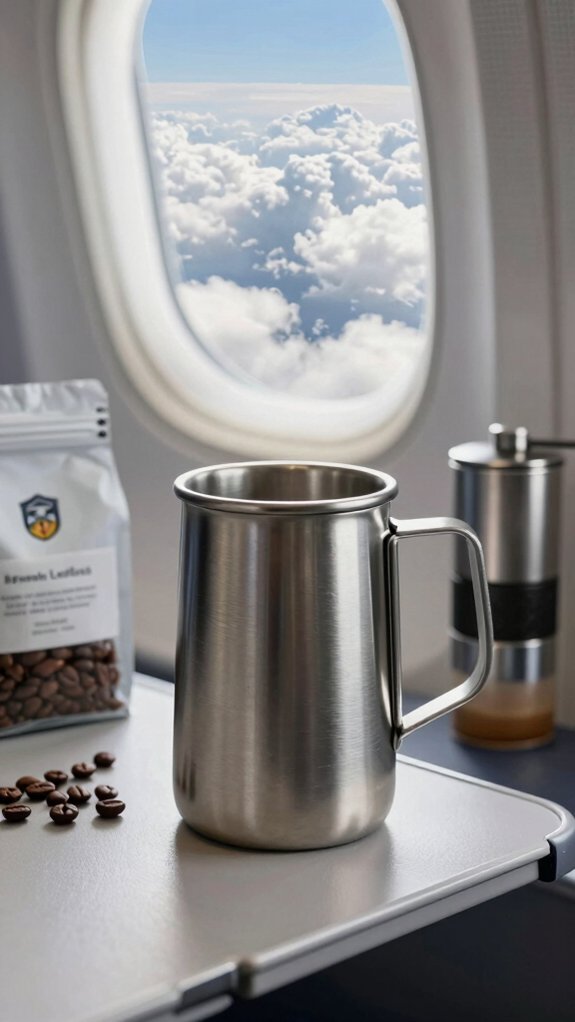
While you might be dreaming of that first comforting sip at 30,000 feet, knowing the TSA rules for bringing coffee aboard is your essential first step.
The key is the liquid restrictions: you can carry brewed coffee through security, but it must be in a container of 3.4 ounces or less, stored in your quart-sized liquids bag.
I always recommend packing whole beans or ground coffee instead, as these solids face no quantity limits.
Once you’re past security, you’re free to purchase any size coffee for your flight.
Just double-check your airline’s policy, as some have their own rules about consuming personal beverages once you’re on board.
Frequently Asked Questions
Is Coffee on an Airplane Safe?
Personally, I consider it safe as it’s brewed hot enough to kill bacteria, but I’m aware the water tanks can sometimes be contaminated.
Many crew avoid it, so I often choose bottled drinks instead.
Is It Safe to Drink Coffee With a Fly in It?
A fly in my coffee is a red flag waving over a swamp. No, I wouldn’t drink it, as the insect itself can carry germs, turning that quick caffeine fix into a potential health gamble.
What Is the Healthiest Thing to Drink on a Plane?
I’d choose bottled water as the healthiest drink, avoiding onboard tank contaminants.
For extra hydration, I’d pick coconut water.
If I want flavor, I’d opt for sealed juices or herbal tea from boiled water.
What Is the 2 Hour Coffee Rule?
You might think your coffee is fine, but the “2 hour rule” warns it can spoil.
I follow this because brewed coffee sitting out grows bacteria and tastes stale after two hours, so I’m cautious with plane coffee.
In Conclusion
You can drink coffee on a plane, but choose wisely. I once had a cup so bland it tasted like filtered clouds, all aroma, no body. That experience taught me that bringing your own single-serve option is the real altitude adjustment.
Ultimately, your best brew is about minimizing risk and maximizing flavor, so plan ahead for a satisfying journey.