


Deciding between a splash of milk or taking it black can shape your coffee’s health perks. I find black coffee is championed for weight management, as studies show it can boost metabolism, and it’s lower in calories.
But if you have a sensitive stomach, a bit of milk can soften its acidity. The real intrigue lies in how your choice interacts with different beans…
Table of Contents
Coffee with or without milk, better?

Whether you should drink coffee with or without milk really comes down to balancing your personal taste preferences with your health and wellness goals.
For pure health benefits, black coffee wins. It’s lower in calories and its antioxidants are absorbed best. Adding milk, specifically milk proteins, can inhibit that absorption.
However, coffee with milk can tame harsh acidity effects, making it gentler on your stomach. It also enhances flavor for many.
If you choose milk but are lactose-sensitive, opt for a plant-based alternative to avoid gastrointestinal issues while still softening your brew.
Ultimately, your priority, be it antioxidant intake, calorie count, or comfort, should guide your choice.
Will milk make coffee easier on stomach?

Since many of us reach for coffee first thing in the morning, you might wonder if adding milk can create a gentler experience for your stomach, and the answer is often yes, but with a few important caveats.
The main benefit is that milk can help mitigate the acidity of black coffee. This is a real plus if you have a sensitive stomach. The proteins in milk bind to some of the compounds, softening that harsh bite. It also slightly lowers the temperature, reducing thermal irritation.
However, be mindful of the effects of fat. If you have reflux issues, full-fat milk might worsen them.
For many, though, a splash of milk makes their daily cup much more comfortable.
Will milk reduce coffee’s health benefits?

Now, let’s tackle a common worry: does adding milk to your coffee strip away its famous health perks? The answer, unfortunately, is yes.
Research shows dairy milk can significantly hinder antioxidant absorption. The proteins in cow’s milk, especially casein, bind to coffee’s beneficial compounds.
One study found this can reduce antioxidant activity by a staggering 95%. This directly impacts the health benefits you get from your cup.
If you want to preserve those perks but still crave creaminess, consider soy milk. Studies indicate it doesn’t interfere with coffee’s phytonutrients.
Is black coffee better for weight loss?

Furthermore, the caffeine in black coffee can boost your metabolism slightly, encouraging your body to burn fat more efficiently.
I also find it acts as a helpful appetite suppressor, potentially reducing unnecessary snacking.
Adding milk, especially whole milk, introduces significant extra calories that can counteract these benefits.
Best dairy and plant milks for coffee
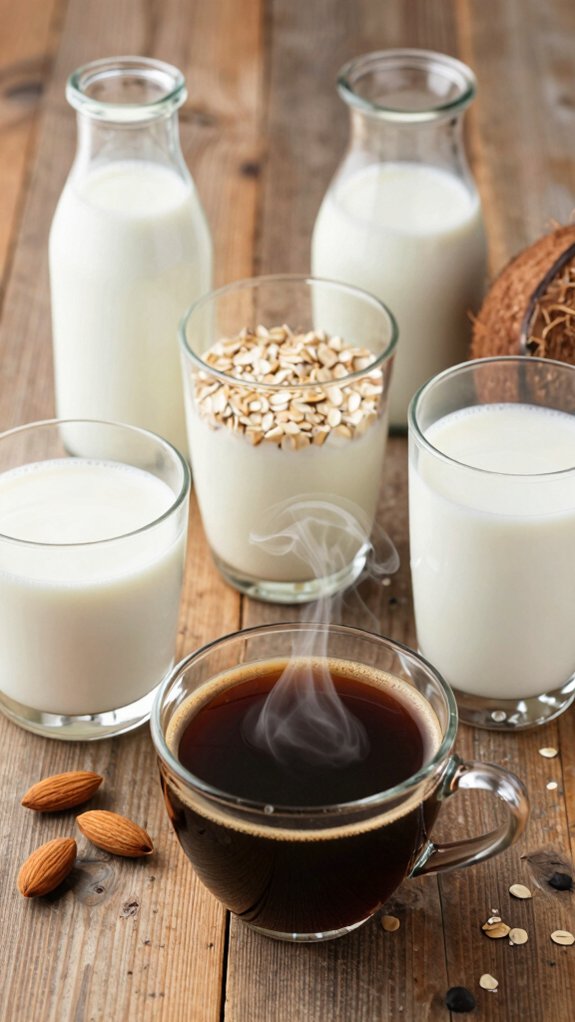
If you’re looking for the best milk to add to your coffee, your choice can be guided by flavor, texture, and your personal health goals.
Traditional dairy milk is creamy but can inhibit antioxidant absorption.
For a low-calorie, nutty option, almond milk is great, though it can be thin.
I find soy milk steams well and, importantly, doesn’t block coffee’s beneficial phytonutrients.
For a naturally sweet and creamy texture, oat milk is a favorite, though it’s higher in carbs.
Finally, coconut milk adds a tropical richness but is high in saturated fat, so I use it sparingly.
Your best pick truly depends on whether you prioritize nutrition, taste, or a specific dietary need.
Which beans shine black versus milk

Since you’re choosing whether to drink your coffee black or with milk, I should tell you that your bean selection makes a huge difference to each experience.
For a vibrant flavor profile, I prefer single-origin light roasts black. You’ll taste all their fruity, floral notes that get masked with milk added.
Darker roasts, with their chocolatey, nutty base, often stand up beautifully to milk.
Remember, drinking black coffee maximizes the antioxidant content and allows for quicker caffeine absorption.
So, if you want clarity and a health boost, go black with a quality light roast.
If you crave a creamy, mellow cup, a bold dark roast with milk is your perfect match.
Your beans truly dictate the best method.
How to make milk coffee at home

I’ll walk you through making milk coffee at home, focusing on ingredients, equipment, and simple instructions.
First, gather your favorite coffee and fresh milk, as the quality here really shapes your drink’s flavor.
Then, using basic tools like a brewer and a way to heat and froth milk, you can easily craft a creamy cup that rivals any cafe.
Ingredients
Crafting the perfect milk coffee at home begins with just two key ingredients: your favorite coffee and milk. I always start with quality, freshly ground beans for my brew; their robust flavor is the foundation, whether you ultimately enjoy coffee without milk or with it.
Your milk choice is equally personal. Whole milk creates a luxurious texture, while plant-based options offer a distinct nuttiness. I find adding milk transforms the taste experience, softening bitterness and adding creamy sweetness.
The Benefits of Coffee, like antioxidants, remain, but milk introduces calcium and protein.
Experimenting with the ratio is key; a splash can mellow, while a full pour makes it decadent.
It’s your perfect cup, so tailor it to your palate.
Equipment
The right equipment unlocks your kitchen’s potential for making café-quality milk coffee at home.
For brewing, a simple French press works, but a dedicated coffee machine, like an espresso maker, provides the strong base many coffee drinkers prefer for milk-based drinks.
To heat and texture your milk, a small saucepan is fine, but a steam wand or a standalone milk frother is a game-changer for creating that creamy microfoam that elevates coffee consumption.
Your choice of milk in your coffee matters, too. For the richest froth, whole milk is ideal due to its fat and protein content.
Start with these core tools, and you’ll easily craft your perfect cup.
Instructions
Now that you’ve got your equipment ready, let’s make your perfect cup of milk coffee at home.
I start by brewing a strong black coffee, as its robust flavor balances the addition of milk.
I heat my milk to about 60°C (140°F); this temperature maximizes creaminess. Then, I froth it until velvety.
Combining them is where personal preference shines. I use a 1:1 ratio for a latte or 1:2 for a cappuccino.
This use of milk transforms the drink, creating a smoother mouthfeel compared to black coffee.
While I enjoy the benefits of drinking coffee, like increased alertness, adding milk can soften caffeine’s effect on an empty stomach.
Finally, I might add a dash of vanilla for a personalized finish. Enjoy your creation!
Frequently Asked Questions
Is It Better to Drink Coffee With or Without Milk?
I’d choose black coffee for maximum antioxidants and minimal calories, but adding milk can reduce acidity and burns. Your health goals, like weight loss or lactose tolerance, should guide your final choice.
What Is the Healthiest Way of Drinking Coffee?
Navigating the path to optimal well-being, I find black coffee the healthiest choice for its low calories and antioxidants. I would only add milk if acidity bothers me, perhaps opting for a non-dairy alternative.
What Is the Healthiest Thing to Put in Your Coffee?
I’d choose black coffee first, as it’s healthiest. If I want an addition, I’d use a splash of unsweetened almond milk, as it’s low-calorie and won’t block antioxidants like dairy milk can.
What Do Cardiologists Say to Add to Coffee?
I suggest adding milk to coffee because studies show it can reduce acidity by over half.
Cardiologists recommend low-fat or plant-based options like almond milk for a healthier heart, but caution with sugary creamers.
In Conclusion
For me, the healthiest choice depends on the day. I drink my coffee black for its pure antioxidant boost, especially when focusing on wellness.
Yet, by coincidence, on mornings my stomach feels sensitive, I find a splash of oat milk makes it perfectly comforting without overwhelming sweetness.
Ultimately, listen to your body. It often knows whether you need the clean efficiency of black or the gentle balance of a milky cup.