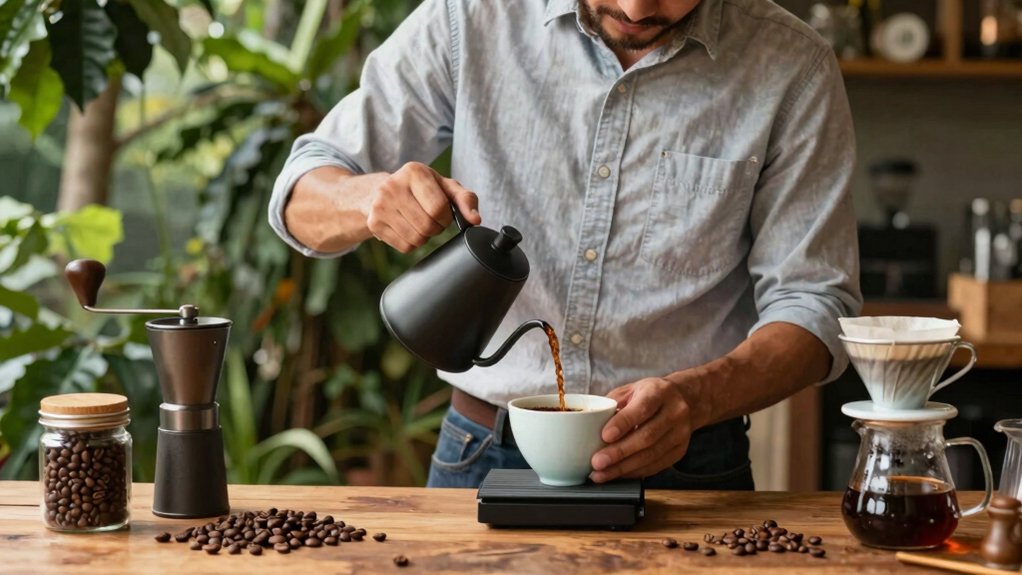

A single pound of Panama Geisha once sold for $601 at auction, more than triple the price of premium Jamaican Blue Mountain. I’m here to unpack what makes these beans worth the frenzy, from their jasmine‑bright aromatics to the volcanic slopes that shape them.
You’ll learn why your brewing method matters just as much as the price tag, and which regions consistently deliver that signature cup. There’s more to this story than hype.
Table of Contents
What is Panama coffee and why special?
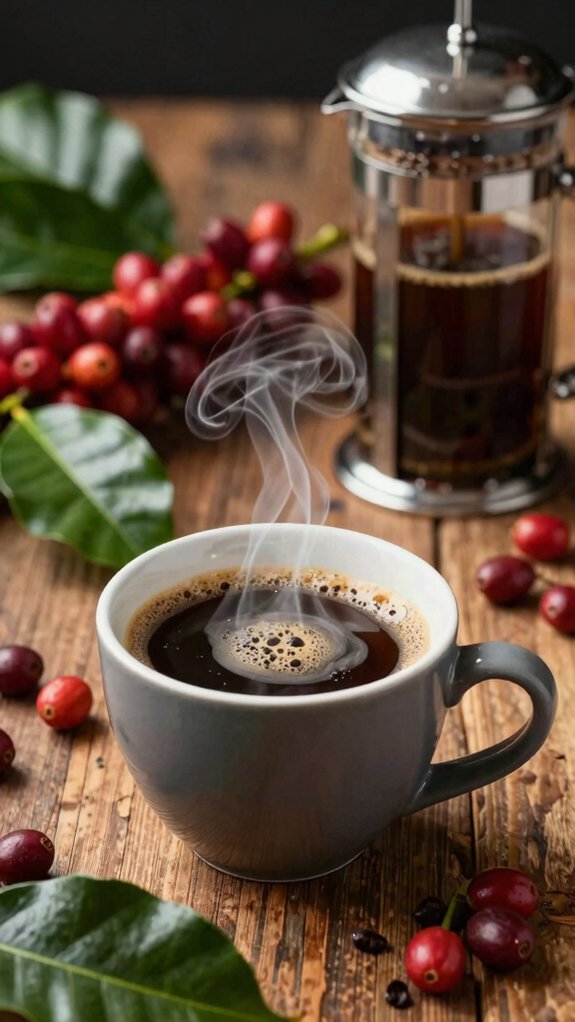
Why does a single cup of Panama Geisha often cost more than a full bag of grocery‑store beans? It’s all about rarity, terroir, and painstaking craft.
What Makes Panama Coffee Legendary
Panama’s coffee scene revolves around the Geisha varietal, a delicate, floral treasure that transformed how I think about specialty coffee. Grown at high altitude in volcanic regions like Boquete and Volcán Barú, these beans develop bright acidity and layered complexity you simply can’t replicate elsewhere.
The aroma hits you first: jasmine, bergamot, and ripe stone fruit dancing from the cup. I’ve paid $30 for a single serving at Finca Sophia’s 2020 auction‑winning lot ($1,300.50/lb), and honestly? The experience justified it.
Why It Commands Premium Prices
Precision growing conditions, microscopic yields, and competition‑driven demand create natural scarcity. When paired with careful brewing methods, think pour‑over with that 30‑second bloom, Panama Geisha rewards patience with unmatched clarity.
How does Panama coffee taste and smell?
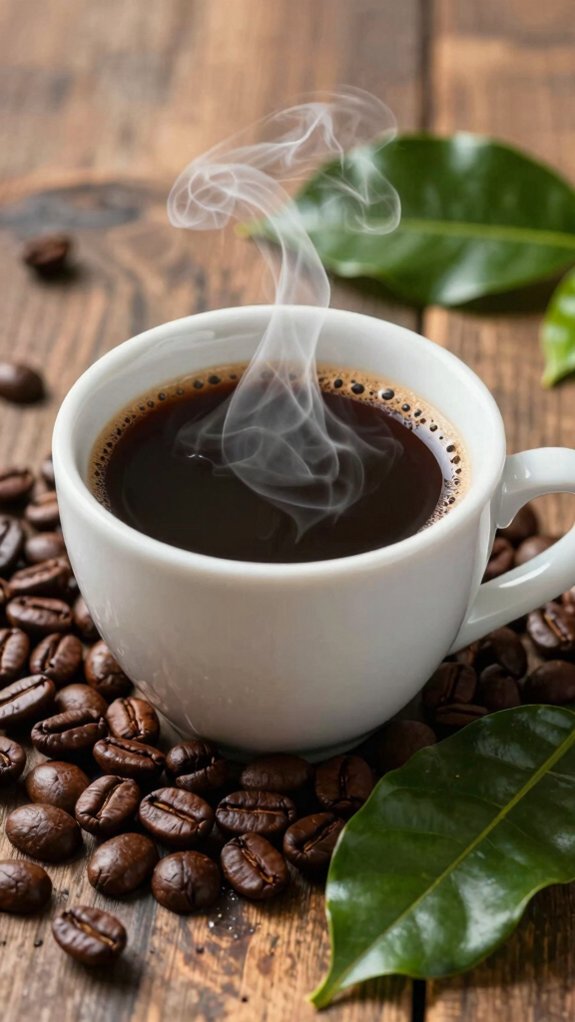
Panama Geisha greets you like walking into a flower shop on a bright morning, jasmine and bergamot rise from the cup first, followed by a citrus brightness that feels almost electric. The Geisha aroma wraps around you: delicate floral notes layered with tropical fruit and stone fruit undertones. It’s clean, tea‑like, almost weightless on the tongue.
Why it tastes this way
High‑altitude terroir makes the difference. Farms above 1,500 meters in Boquete and Volcán Barú, where volcanic soils and cool temperatures slow cherry development, produce those layered fragrances and bright acidity. A 2022 Specialty Coffee Association survey ranked Panama Geisha among the world’s most aromatic varieties, with cuppers consistently identifying jasmine and citrus as dominant descriptors.
Brew it gently: pour‑over, medium grind, 200°F water. You’ll preserve every fragile note.
Panama coffee regions and processing methods
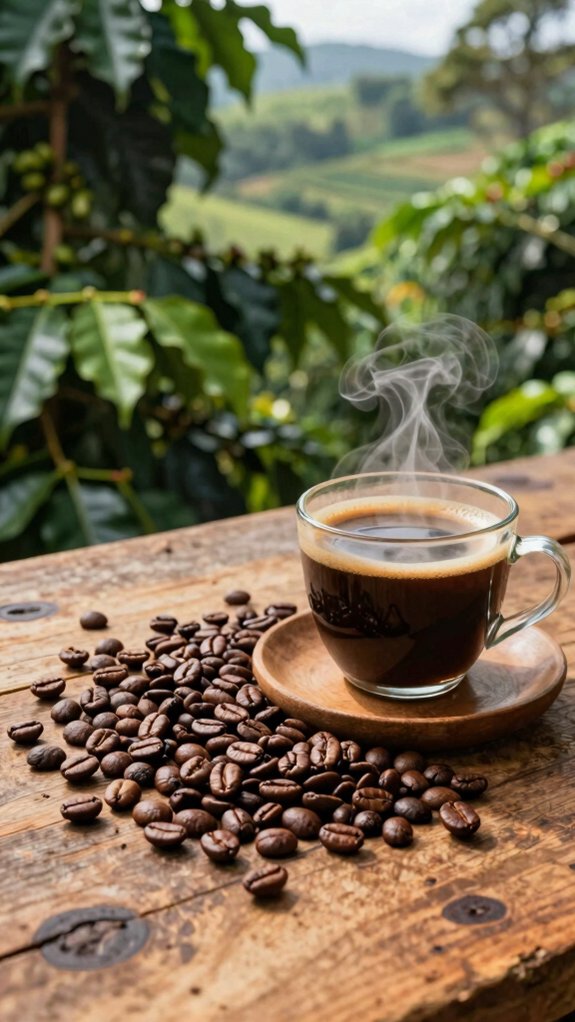
Where do Panama’s most extraordinary coffees come from, and how do farmers transform ripe cherries into those legendary Geisha cups? I’ve explored Chiriquí Province’s volcanic slopes, and here’s what I’ve learned.
The Regions Behind the Magic
Panama’s Geisha thrives in four distinct pockets. Boquete delivers that signature jasmine brightness. Volcán Barú adds depth with mineral‑rich soil. Tierras Altas and Renacimiento contribute their own surprises-each microclimate shapes what you’ll taste in your cup.
| Region | Altitude | Signature Note |
|---|---|---|
| Boquete | 1,200–1,800m | Jasmine, bergamot |
| Volcán Barú | 1,600–1,800m | Stone fruit, structured body |
| Tierras Altas | 1,500–1,900m | Tropical fruit, crisp acidity |
| Renacimiento | 1,400–1,700m | Honey, delicate florals |
Processing Decisions
Farmers rely on two core processing methods. Washed Geisha highlights that clean, tea‑like elegance. Natural processing? It amplifies sweetness and fruit intensity.
Fermentation timing and altitude fine‑tune the final balance.
Panama Geisha: price, varieties, and hype
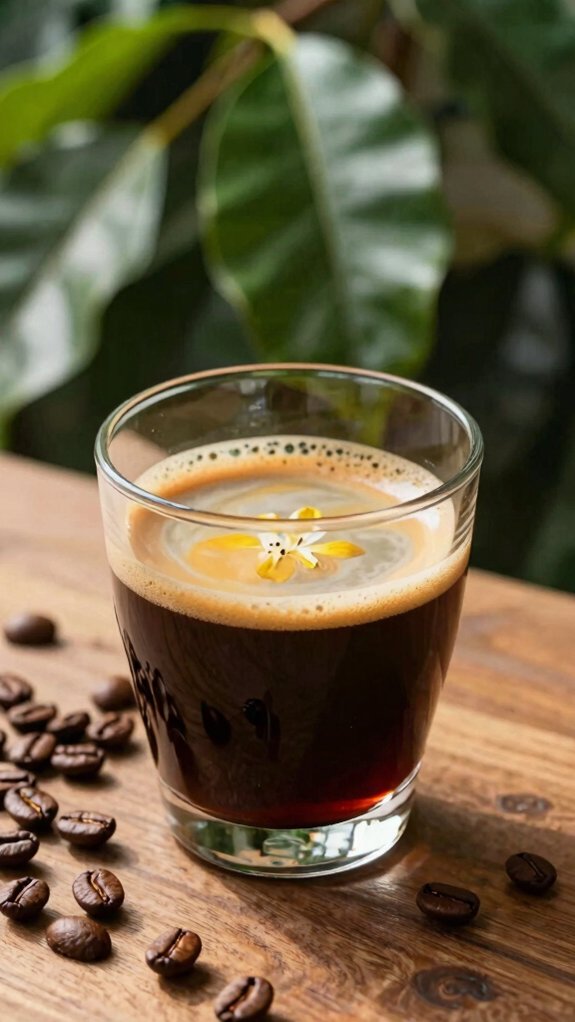
What drives this hype? Three things:
- Volcanic soils at high altitude in Boquete and Volcán Barú create ideal growing conditions
- Limited micro‑lots and competition wins keep supply scarce and demand fierce
- That unmistakable aroma-bergamot, delicate fruit, tea‑like body
Light roasts and washed processing preserve these nuances. For home brewers, it’s a splurge worth comprehension, even if the price keeps most of us admiring from afar.
How to brew Panama coffee at home
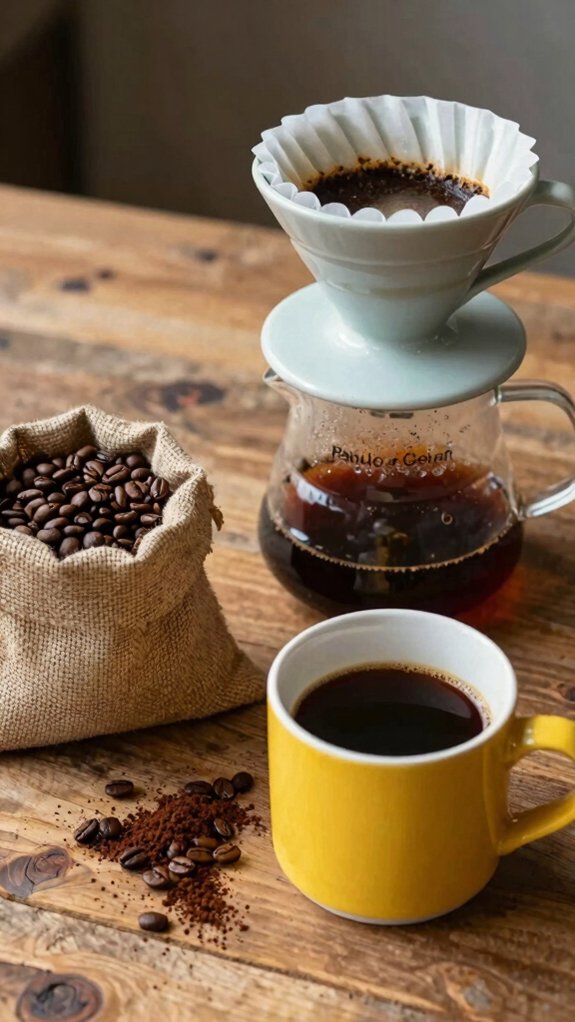
To brew Panama coffee at home that actually does justice to the beans, you’ll need the right ingredients, equipment, and a clear method.
I’ll walk you through what I’ve learned works best, starting with the essentials and moving into step-by-step instructions you can follow tomorrow morning.
Let’s get your setup sorted first.
Ingredients
How do you capture Panama Geisha‘s legendary jasmine and bergamot notes in your own kitchen? It starts with three essential ingredients.
The Beans
I always reach for whole bean Panama Geisha, pre-ground coffee loses those delicate floral notes within minutes. A medium grind, roughly sea‑salt sized, gives you balanced extraction without bitterness.
Filtered Water
Your water temperature matters enormously. I heat filtered water to 200°F (93.3°C)-just off boiling. Research from the Specialty Coffee Association shows this range extracts optimal flavor compounds while preserving aromatics.
The Right Ratio
I start with 20 grams of coffee to 300 ml water (1:15 ratio), then adjust to taste.
- Freshly roasted Geisha beans, ground immediately before brewing
- Filtered water heated to precise 200°F (93.3°C)
- Quality pour‑over equipment (V60 or Chemex)
Equipment
Why splurge on Panama Geisha beans only to lose their magic in the wrong gear? I’ve learned that pour-over equipment makes all the difference for these delicate beans.
My Essential Setup
Here’s what I rely on for consistent results:
| Gear | Purpose | Why It Matters |
|---|---|---|
| Hario V60 or Chemex | Brewing vessel | Even extraction preserves floral notes |
| Burr grinder | Grind size control | Sea-salt-like consistency prevents bitterness |
| Gooseneck kettle | Water temperature & pour precision | 200°F (93.3°C) with controlled flow |
| Digital scale | Ratio accuracy | Reproducible results every time |
I grind my Geisha fresh, right before brewing. A 30-second bloom releases trapped CO₂, then I pour slowly to extend contact time.
Skip the blade grinder; uneven grinds destroy clarity. Invest in these basics, and you’ll taste every nuance you’re paying for.
Instructions
Where do you even start with beans this special? I reach for high‑altitude beans from Panama’s Boquete region, preferably Geisha, and brew them pour‑over style to unlock their magic.
My Simple Routine
- Grind fresh to sea‑salt size right before brewing
- Bloom 30 seconds with 200°F filtered water
- Pour slow and steady for clarity
That gentle heat preserves those delicate floral notes-think jasmine and bergamot-without scorching anything. I never rush; a longer brew keeps bitterness away and highlights that tea‑like body. Research from the Specialty Coffee Association shows Geisha varieties score 15‑20 points higher than typical Arabicas in cupping evaluations, which explains why I’m so particular.
The finish should whisper flowers and citrus, never chocolate. That’s Panama Geisha done right.
Which Panama coffee beans are best?
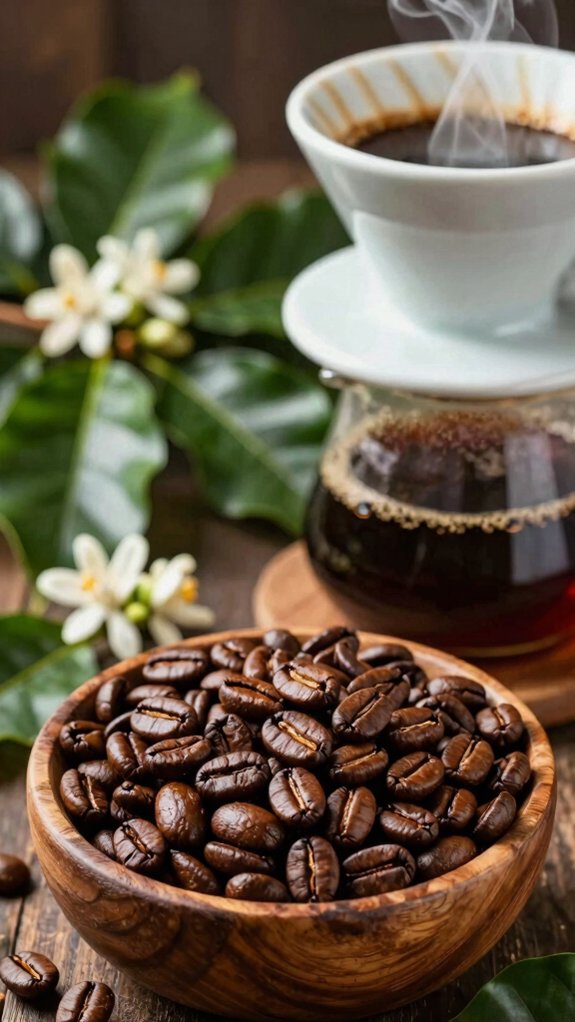
What makes Panama coffee truly exceptional isn’t just the name on the bag, it’s the altitude, soil, and meticulous care behind each bean.
Geisha: The Crown Jewel
I’m always chasing that perfect cup, and Geisha from Boquete delivers. These high‑altitude beans grown on volcanic slopes develop stunning jasmine and citrus notes. The washed Geisha process creates that clean, tea‑like body I crave.
What to Look For
- Farms like Lamastus or Finca Sophia with full transparency
- Altitude above 1,500 meters
- Clear processing details on the label
Price vs. Value
When Best of Panama (BoP) 2020 hit $1,300/lb, it wasn’t hype. You’re paying for generations of expertise and impossible‑to‑replicate terroir.
For home brewing, I skip the auction lots. Excellent Boquete Geisha starts around $50/lb, still pricey, but accessible enough for special mornings.
Where to try Panama coffee in Panama?
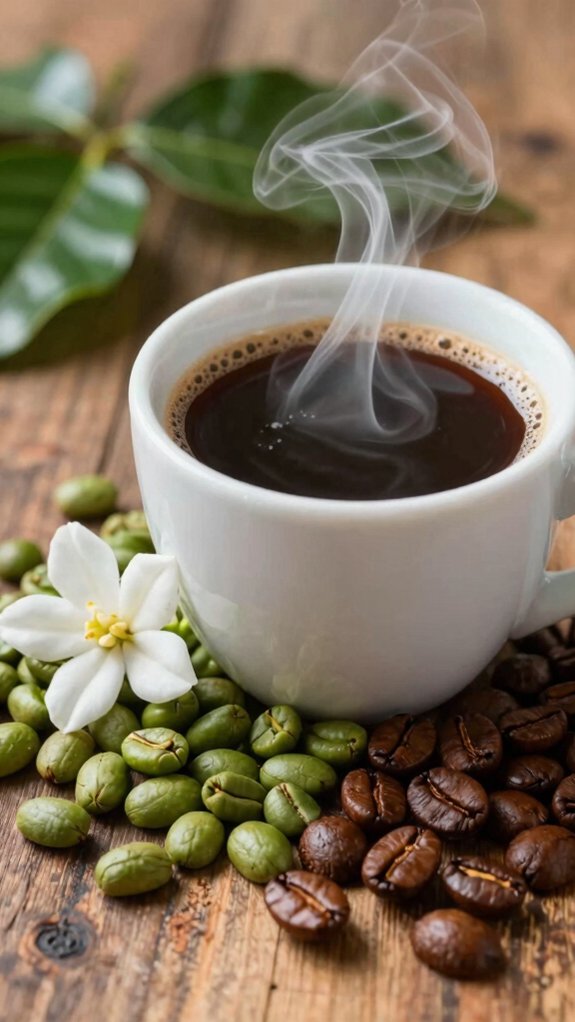
How do you track down the real deal once you’re actually standing on Panamanian soil? I’ve found the answer lies in knowing exactly where to look.
Boquete: The Mountain Heart****
Boquete’s my first stop. This misty highland town is Geisha country, and local cafes serve it almost exclusively as pour-over, never espresso. The delicate jasmine notes simply disappear under pressure.
Three Places I Always Hit:
- Small roasteries attached to farms offering cupping flights
- Panama City specialty shops sourcing Best of Panama auction lots
- Airport-adjacent kiosks (surprisingly decent for last‑minute beans)
What I’m Ordering
I ask for altitude, processing, and harvest date. Freshness matters enormously with Geisha’s volatile aromatics.
Skip the tourist traps pushing “Panama blend”-that’s usually lower‑grade mixed lots. I’m paying premium prices only for transparency and provenance I can verify.
Frequently Asked Questions
How Best to Brew Geisha Coffee?
I brew Geisha using a pour-over with medium grind, 200°F water, a 30-second bloom, then slow steady pour. This preserves those delicate jasmine and bergamot notes I love so much.
What Is the 15-15-15 Coffee Rule?
I use the 15-15-15 rule as a starting point: medium grind, water around 200°F, and 2–3 minutes brew time. It helps me balance extraction, though I always adjust to preserve those delicate Geisha aromatics.
Is Geisha Coffee From Panama Good?
Like a symphony in a cup, I find Panama Geisha extraordinary, its jasmine and bergamot notes dance across my palate with tea‑like elegance. I’d say it’s worth every penny for those seeking coffee’s pinnacle.
What Is the Best Coffee From Panama?
I’d say Panama Geisha is hands down the best, those jasmine notes and bright citrus from high-altitude farms like Boquete are unmatched. I always reach for washed micro-lots roasted light to medium.
In Conclusion
Panama coffee rewards anyone who values flavor in their cup. I’ve walked you through its jasmine-laced aromatics, Geisha’s justified hype, and the brewing precision that unlocks it all. Now you’re equipped to source, brew, and savor these beans like a pro.
So when that first sip hits your palate, bright, delicate, unforgettable, will you ever look at ordinary coffee the same way again? I know I can’t.