According to the Specialty Coffee Association, Jamaican Blue Mountain coffee commands prices up to $50 per pound – nearly 10 times the cost of premium commercial coffee – yet it accounts for less than 0.1% of global coffee production. With such scarcity and expense, many coffee enthusiasts wonder: what makes these beans genuinely worth the investment, or is it just marketing hype?
If you’ve been curious about whether Jamaican Blue Mountain coffee lives up to its legendary reputation, this guide breaks down everything you need to know. You’ll discover the unique taste profile that sets these beans apart, learn what growing conditions create their distinctive flavor, and get practical tips for brewing them properly so you don’t waste a single precious bean.
Table of Contents
What are Jamaican Blue Mountain coffee beans?
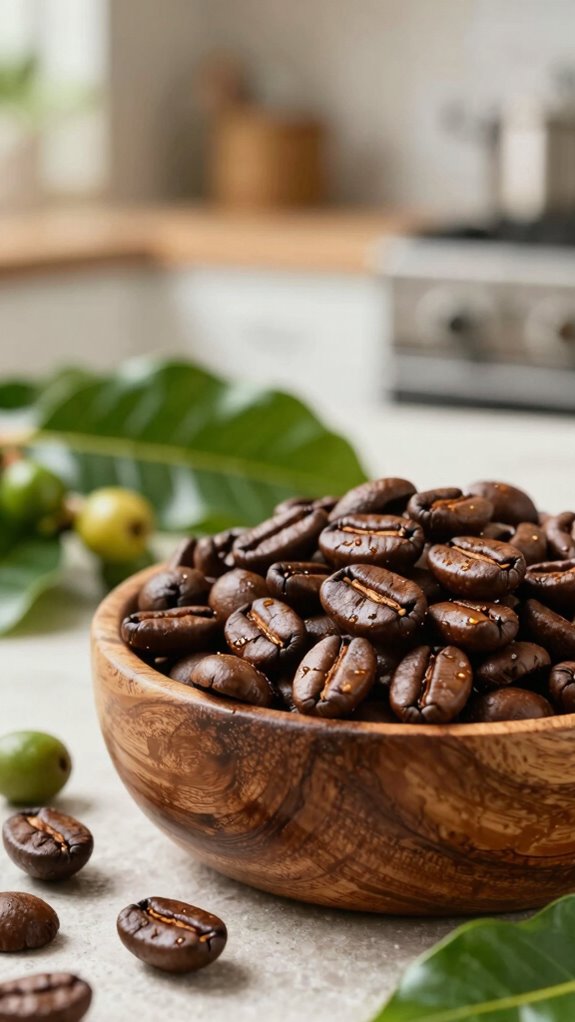
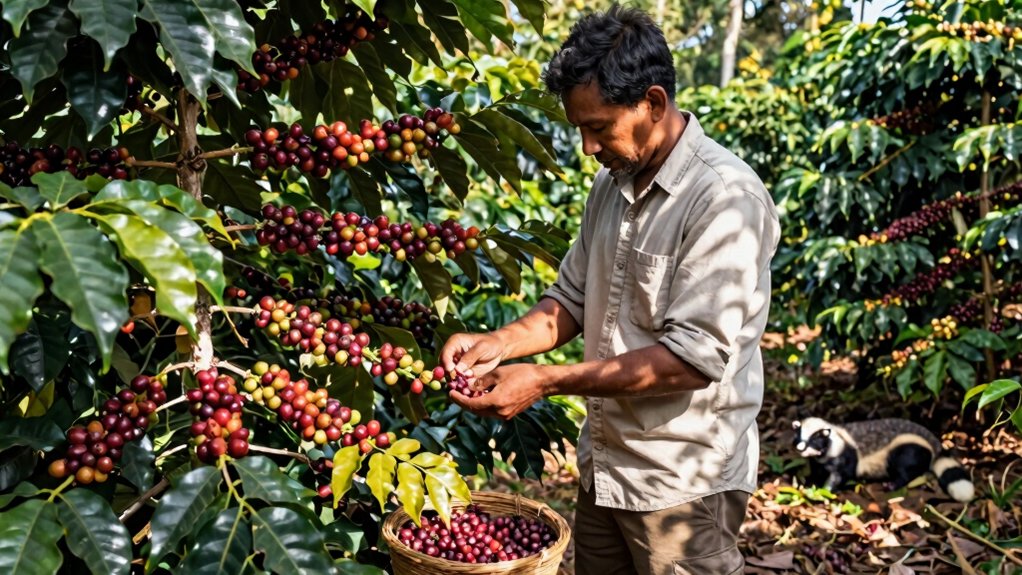
Jamaican Blue Mountain coffee beans are a rare, premium Arabica coffee varietal grown exclusively in a small, high-altitude region of Jamaica’s Blue Mountains.
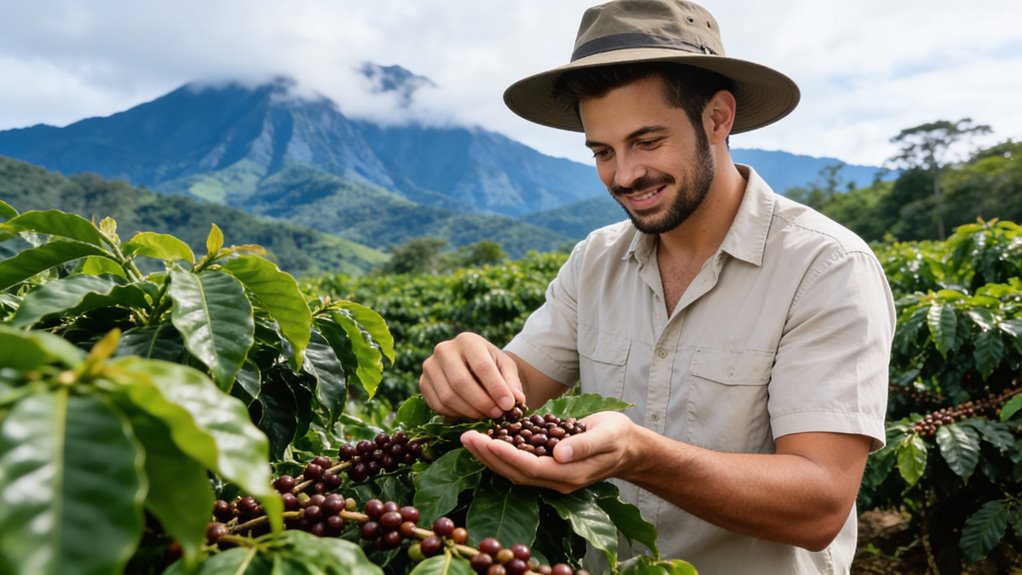
These exceptional beans are cultivated in just four parishes-Saint Andrew, Saint Thomas, Portland, and Saint Mary-at elevations between 1,500 and 5,500 feet.
The JACRA (Jamaica Agricultural Commodities Regulatory Authority) carefully monitors and certifies these beans, ensuring only the highest quality Arabica coffee reaches global markets.
This strict regulation protects the Blue Mountain coffee’s reputation as one of the world’s most sought-after and meticulously produced coffee varieties.
Jamaican Blue Mountain coffee beans flavor notes
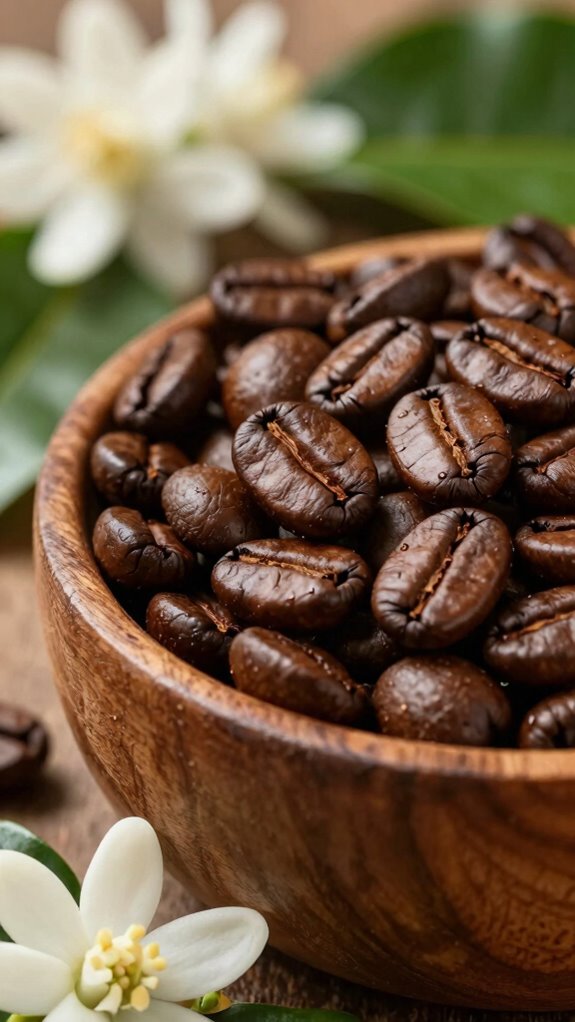
A symphony of flavor awaits in every sip of Blue Mountain coffee, offering a sensory journey that sets it apart from ordinary brews.
Jamaica Blue Mountain Coffee beans deliver an exquisite taste profile, characterized by silky smoothness and bright yet gentle acidity.
Grown in volcanic soil, these beans boast complex flavor notes like floral aromatics, sweet honey, and subtle nutty undertones.
Expect delicate hints of green apple, citrus, and milk chocolate that dance across your palate.
The beans’ high-elevation growth concentrates their flavors, resulting in an incredibly refined and balanced cup that’s prized by coffee enthusiasts worldwide.
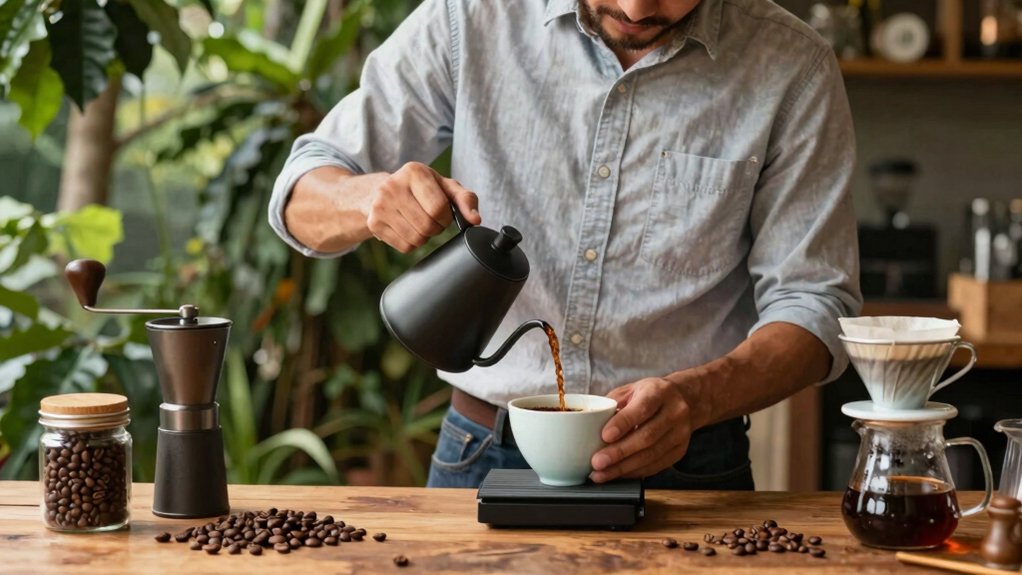
How to brew Jamaican Blue Mountain coffee
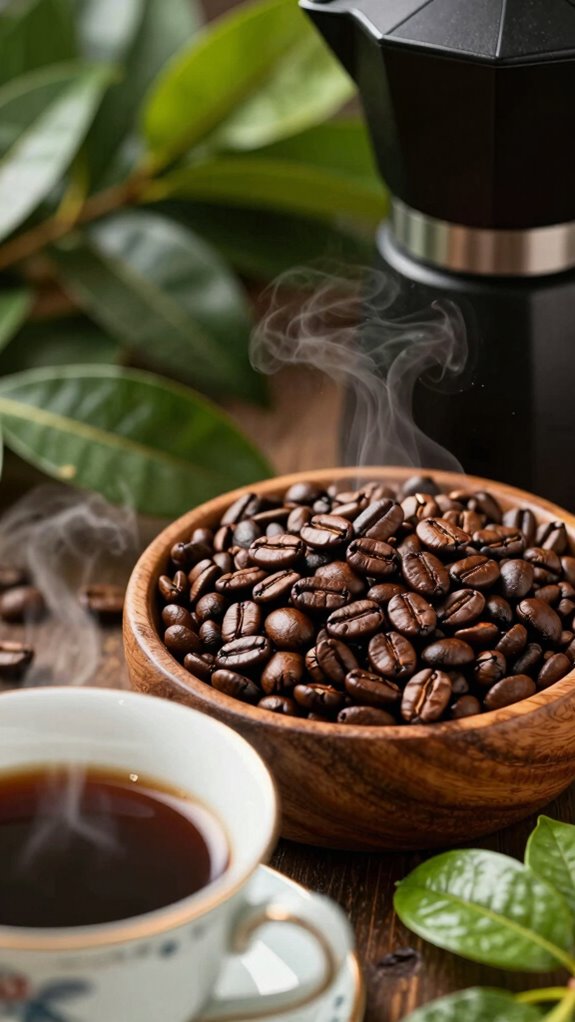
Brewing Jamaican Blue Mountain coffee requires precision and care to unlock its exceptional flavor profile. I’ll walk you through the essential ingredients, specialized equipment, and step-by-step instructions to help you craft the perfect cup of this prized coffee.
Whether you prefer pour-over, French press, or espresso, I’ll share expert techniques to showcase the beans’ delicate sweetness and complex aromatics.
Ingredients
Unlock the full potential of Jamaican Blue Mountain coffee by selecting premium whole beans and preparing them with precision. Choose freshly roasted, whole Jamaica Blue Mountain beans with medium to medium-dark roast profiles to capture their signature floral notes and complex flavor spectrum.
Select high-quality peaberry or Arabica varieties, ensuring beans rest 24-48 hours post-roasting to stabilize volatile aromatics. Grind just before brewing-opt for medium grind for pour-over or slightly coarser for French press-to preserve the delicate, nuanced characteristics that make these beans exceptional.
Equipment
Let’s dive into the essential equipment you’ll need to brew an exceptional cup of Jamaican Blue Mountain coffee.
A high-quality burr grinder like the Comandante or Mahlkönig X54 is crucial-you’ll want to grind fresh just before brewing to preserve those delicate floral and herbal aromatics.
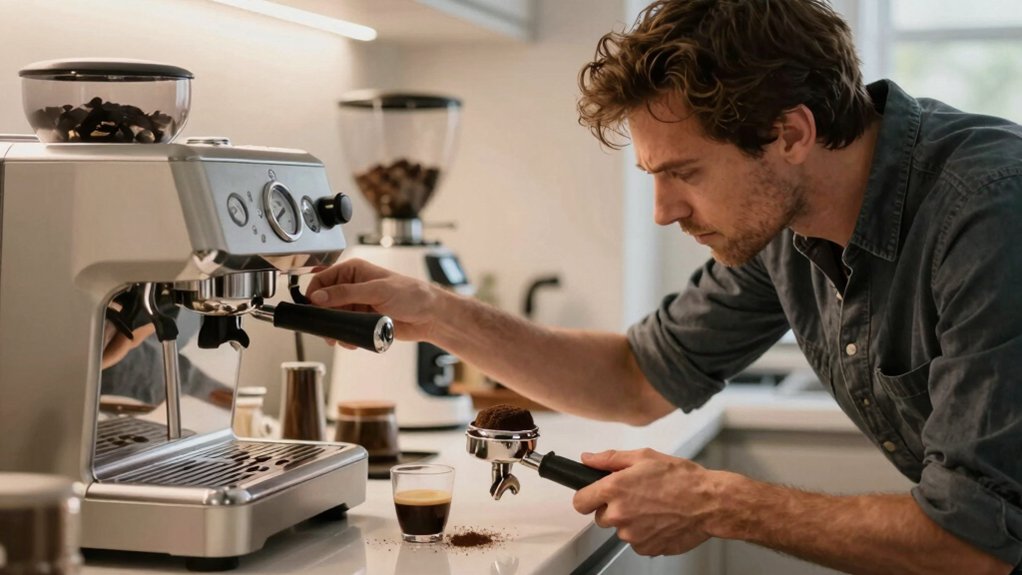
For brewing methods, consider a French press for emphasizing smooth, creamy body, or try an espresso setup for Peaberry beans.
Always store your whole bean coffee in a cool, dark, airtight container to maintain its incredible sweetness and complexity.
Instructions
Master the art of brewing Jamaican Blue Mountain coffee by starting with the highest-quality whole beans and a precision approach that respects this exceptional coffee’s delicate profile. The secret lies in comprehending its unique characteristics from volcanic soil that create a full body with mesmerizing floral tones.
Choose your brewing method carefully: pour-over highlights bright acidity, French press emphasizes silky body, and espresso concentrates its vibrant sweetness. Use freshly roasted whole beans, grind just before brewing, and use filtered water heated to 92–96°C. Adjust your technique to preserve Jamaica Blue Mountain’s delicate, honey-like essence.
Spotting authentic beans and real certifications
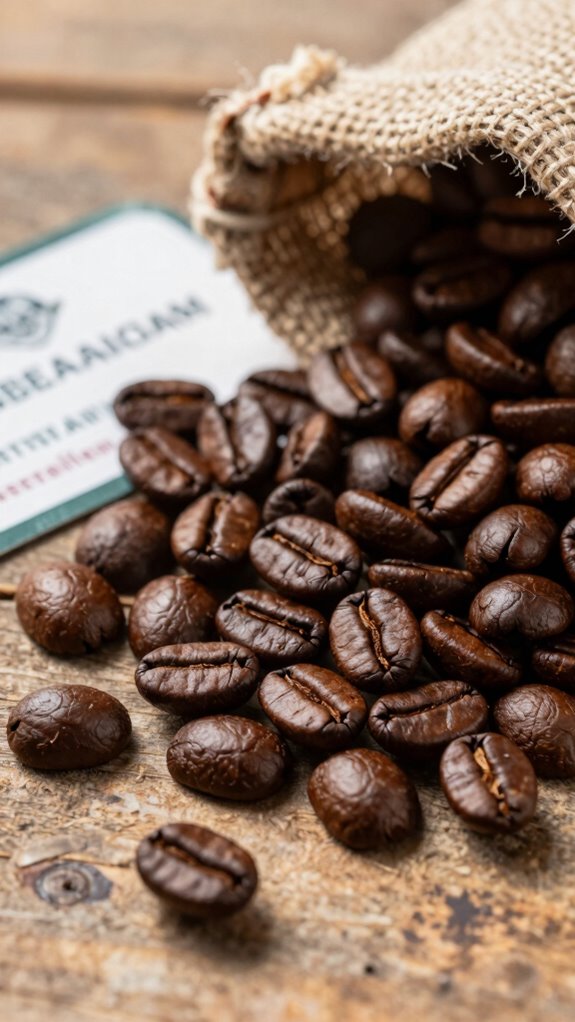
When hunting for authentic Jamaican Blue Mountain coffee, you’ll want to become a savvy detective of certifications and origin markers. Look for the official Jamaica Agricultural Commodities Regulatory Authority (JACRA) certification number, which guarantees the beans’ legitimacy. Check the packaging for precise details like estate name, elevation, and processing method.
Beware of misleading labels like “Blue Mountain blend” or those mentioning multiple origins. Genuine Blue Mountain coffee comes exclusively from Saint Andrew, Saint Thomas, Portland, and Saint Mary parishes. Premium beans will display grade information and often target markets like Japan.
Why these beans are so expensive
Because Jamaican Blue Mountain coffee beans command such astronomical prices, it’s crucial to understand the complex factors driving their extraordinary cost. The Jamaica Agricultural Commodities Regulatory Authority (JACRA) strictly controls production in a tiny region, limiting supply and ensuring premium quality.
High-altitude cultivation in volcanic soils between 1,500–5,500 feet creates slow-maturing beans with concentrated, complex flavors. Intensive hand-picking and rigorous Grade 1 quality grading dramatically increase production expenses. Japanese market demand and luxury branding further inflate prices, transforming these beans into a rare, sought-after commodity that coffee enthusiasts worldwide are willing to pay top dollar to experience.
Blue Mountain growing region and altitudes
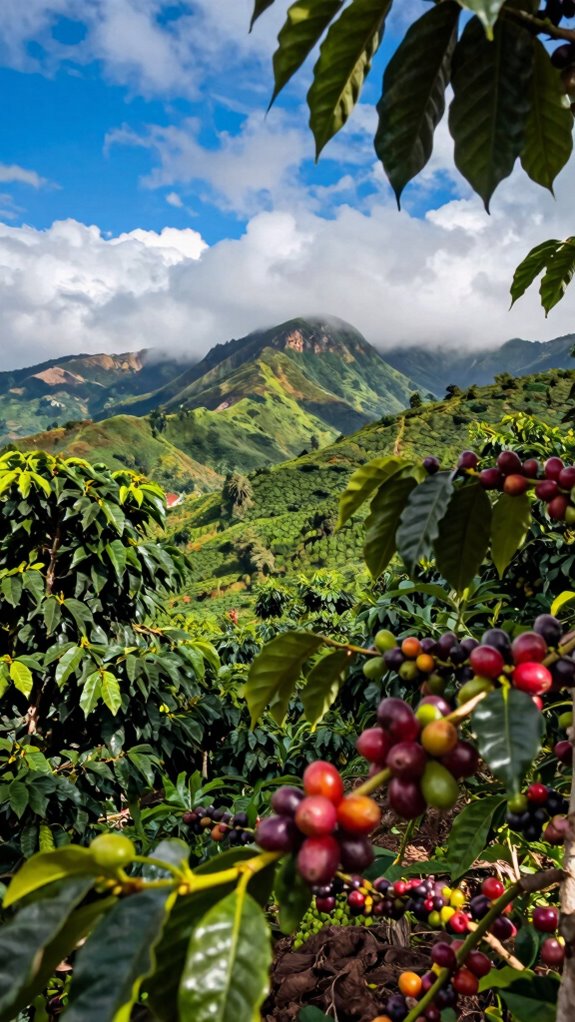
If you’re dreaming of the world’s most prized coffee, Jamaica’s Blue Mountain region is a geographical marvel that produces liquid gold.
This exclusive growing area stretches across four parishes, with the highest quality Blue Mountain coffee cultivated between 3,000 and 5,500 feet elevation. The misty slopes offer perfect conditions: rich volcanic soils, steady rainfall, and exceptional drainage that slow cherry maturation and concentrate incredible flavor.
Commercial growing stops below the mountain’s 7,402-foot summit, preserving forest reserves while ensuring each carefully grown bean meets strict JACRA quality standards.
Best estates, roasters, and buying tips
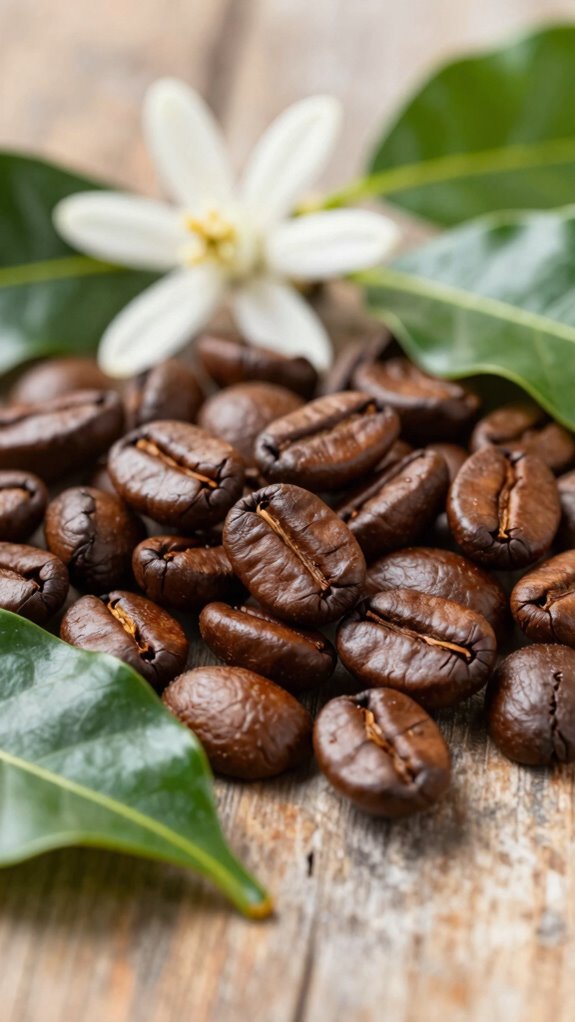
While the world of Jamaican Blue Mountain coffee might seem exclusive, navigating its top estates and finding exceptional beans isn’t as intimidating as you might think.
Top estates like Wallenford and Mavis Bank in Saint Andrew offer unique Blue Mountain coffee experiences. Look for JACRA-certified beans from registered estates, focusing on whole beans roasted within two weeks.
Pro tips for buying:
- Verify Grade 1 or peaberry lots
- Check JACRA certification
- Seek medium to medium-dark roasts
- Expect premium pricing
- Prioritize single-estate origins
Understanding these guidelines will help you buy authentic Jamaican coffee like a pro.
Frequently Asked Questions
How Does Jamaican Blue Mountain Coffee Taste?
It’s silky-smooth with honey-like sweetness, bright green apple notes, and subtle chocolate undertones. I’ll taste floral hints, a creamy mouthfeel, and virtually no bitterness-creating an incredibly refined, delicate coffee experience that’ll delight your palate.
What Are the Notes on Jamaica Blue Coffee?
I’ll tell you the notes: sweet caramel and honey, nutty hints of walnut, delicate chocolate undertones, with gentle green apple-like acidity and soft floral aromatics that create a smooth, refined coffee experience.
Is Blue Mountain Coffee Sweet?
Like liquid gold cascading into my cup, Blue Mountain coffee is definitively sweet. I’ll tell you it’s honey-like and caramel-smooth, with a natural sweetness that dances across your palate, balanced by subtle nutty and chocolate undertones.
What Coffee Is Similar to Jamaican Blue Mountain?
I’ll suggest Kona, Colombian Supremo, Ethiopian Yirgacheffe, or Panama Geisha. These coffees share Blue Mountain’s smooth profile, with mild acidity and subtle sweetness, though each brings its own unique flavor nuances to your cup.
In Conclusion
Jamaican Blue Mountain coffee beans deliver an exceptional cup that’s worth every penny for serious coffee enthusiasts. If you’ve been wondering whether these legendary beans live up to their reputation, the answer is a resounding yes-their smooth, balanced flavor profile with subtle sweetness and virtually no bitterness makes them stand out in the world of specialty coffee. While the premium price might give you pause, the experience they provide is truly unmatched.
Ready to brew these extraordinary beans to perfection? The right equipment makes all the difference in capturing those delicate flavor notes. Check out our comprehensive coffee machine reviews to find well-reviewed options that’ll help you extract every nuance from your Blue Mountain beans and transform them into the spectacular cup they’re meant to be.