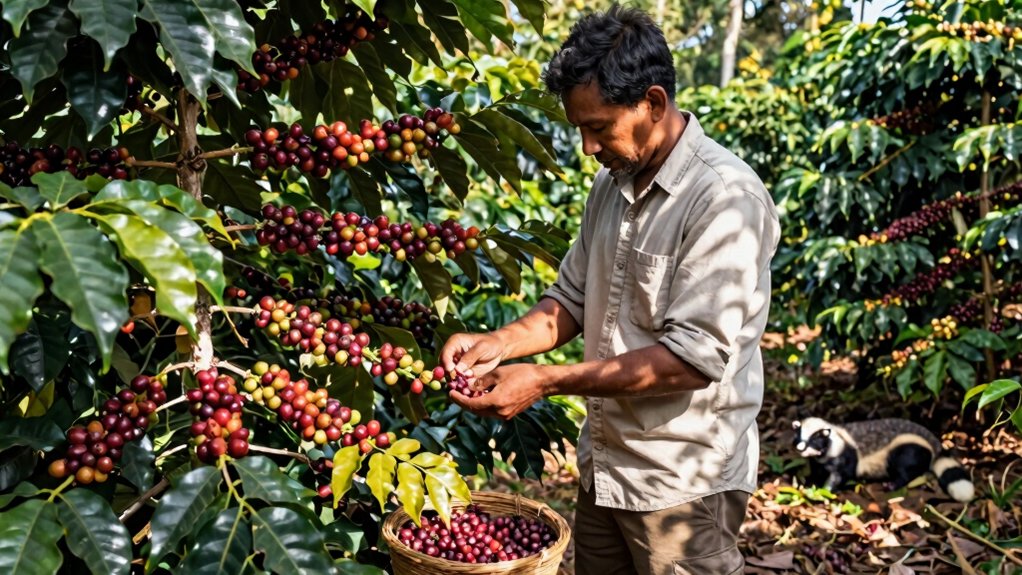


According to the International Coffee Organization, Ethiopia produces over 400,000 metric tons of coffee annually and remains the only place where coffee grows wild in forest ecosystems-making it the genetic birthplace of all Arabica coffee consumed worldwide. Yet despite its legendary status, many coffee enthusiasts struggle to understand what makes Ethiopian coffee so distinct, how to properly brew it, or which flavor profiles to expect from different regions.
This guide breaks down the signature flavor notes found in Ethiopian coffee varieties, explores the best brewing methods to highlight their unique characteristics, and reveals perfect food pairings that complement their complex taste profiles. Whether you’re wondering why your Ethiopian beans taste so different from other origins or looking to elevate your coffee experience, you’ll discover exactly how to unlock the full potential of this extraordinary coffee.
Table of Contents
What does Ethiopian coffee taste like?

Ever wondered what makes Ethiopian coffee so legendary among coffee enthusiasts? Ethiopian Yirgacheffe coffees deliver an extraordinary sensory experience-bright, tea-like profiles with mesmerizing floral and citrus notes.
High-altitude growing regions produce coffees with exceptional complexity, whether through wet or natural processing. Light roasts showcase delicate jasmine and lavender aromatics alongside lively lemon and bergamot acidity.
A pour-over method brilliantly highlights these nuanced characteristics, revealing layers of flavor from stone fruit to blueberry. Whether you prefer a clean, crisp washed lot or an intensely fruity natural processed bean, Ethiopian coffees offer a stunning exploration of coffee’s potential.
Where do top Ethiopian beans come from?

The heartland of world-class Ethiopian coffee beats in the high-altitude regions of Yirgacheffe, Sidama, Guji, and Harrar, where volcanic soils and heirloom coffee varieties create liquid poetry in every cup.
These extraordinary coffee-producing regions share remarkable characteristics:
- Elevations ranging from 1,500–2,200 meters
- Mineral-rich volcanic soils nurturing exceptional beans
- Shade-grown heirloom coffee varieties
- Carefully managed washing stations
- Meticulous processing methods that preserve unique flavor profiles
Each region contributes distinctive flavor notes: Yirgacheffe offers tea-like brightness, Sidama presents jasmine aromatics, and Guji delivers complex berry undertones.
The landscape’s unique terroir transforms these beans into some of the world’s most celebrated coffees, making Ethiopian highlands a true coffee lover’s paradise.
How to brew Ethiopian coffee jebena
To brew authentic Ethiopian coffee using a jebena, you’ll need a traditional clay pot, coarsely ground Ethiopian coffee beans, water, and optional spices like cardamom. I’ll walk you through the essential ingredients, specialized equipment, and precise brewing instructions that’ll help you create a rich, aromatic coffee experience right in your own kitchen.
Mastering this traditional method requires grasping the delicate balance of water temperature, grind size, and brewing time to extract the complex floral and citrus notes characteristic of Ethiopian coffee.
Ingredients
Brewing authentic Ethiopian coffee demands careful selection of high-quality ingredients and traditional equipment like the jebena, a distinctive clay pot that’s essential for creating this rich, aromatic beverage.
When crafting the perfect cup of Ethiopian coffee, consider these key ingredients:
- Yirgacheffe beans with vibrant floral notes
- Filtered water at near-boiling temperature
- Coarse, slightly uneven ground coffee
- Light to medium roast highlighting citrus flavors
- Fresh green beans for optimal brewing method
My passion for Ethiopian coffees drives me to recommend precise grinding just before brewing, ensuring those delicate jasmine and bergamot aromatics remain intact.
The jebena transforms simple ingredients into a sensory journey that celebrates centuries of coffee culture.
Equipment
Unlock the heart of Ethiopian coffee brewing by mastering the iconic jebena, a traditional clay pot that’s central to creating an authentic, aromatic coffee experience. For brewing Ethiopian Yirgacheffe coffee, you’ll need a jebena, coarsely ground beans, and a cloth filter.
While alternatives like French Press exist, nothing compares to the traditional pour-over method. Choose a clay jebena with a round base, long neck, and single handle, capable of holding 300–800 mL.
Pair with small handleless cups (cini) for serving. Freshly roast and grind beans just before brewing to capture the most vibrant flavors.
Instructions
Now that you’ve selected the perfect jebena and gathered your Ethiopian coffee beans, let’s walk through the precise steps to brew an authentic, aromatic cup that’ll transport you straight to the Ethiopian highlands.
Master these key brewing techniques for an exceptional Ethiopian coffee experience:
- Select light to medium roast beans with vibrant floral and citrus notes from high-elevation regions like Yirgacheffe
- Grind beans medium-coarse to preserve delicate flavor profile
- Use a precise 1:15 coffee-to-water ratio for balanced extraction
- Heat water to 92–96°C for optimal brewing temperature
- Bloom grounds, steep carefully, and decant slowly to capture bright acidity
Enjoy your traditional Ethiopian coffee journey!
Processing methods shaping Ethiopian coffee flavor

Ethiopian coffee’s distinctive flavor profile is deeply influenced by its diverse processing methods, each transforming raw cherries into complex, nuanced beans.
Washed processing in Yirgacheffe removes pulp and ferments mucilage, yielding bright citrus acidity and pronounced floral notes. Natural processing dries whole cherries on raised beds, concentrating sugars for heavy body and intense berry flavors.
Honey processing leaves varying mucilage levels, creating progressively richer sweetness. Semi-washed methods balance clean clarity with fruity complexity.
Careful fermentation management and controlled sun-drying are critical, ensuring specialty-grade consistency and remarkable sensory experiences in every carefully crafted cup.
Buying tips for Ethiopian coffee beans

Shopping for Ethiopian coffee beans can set you up for an extraordinary brewing adventure, but you’ll want to nail down a few key selection criteria to ensure a stellar cup.
When hunting for the perfect single-origin Yirgacheffe, consider these essential guidelines:
- Target elevations between 1,600–2,200 m
- Seek specialty-grade SCA/Q-graded beans (84+ score)
- Prioritize recent roast dates within 2–4 weeks
- Choose washed or natural (dry) processed heirloom varietals
- Select light–medium roasts for optimal flavor complexity
Look for detailed farm/microlot information to understand each bean’s unique story and potential flavor profile.
Trust me, these tips will elevate your Ethiopian coffee experience from ordinary to extraordinary.
Pairings and coffee ceremony at home

Because the Ethiopian coffee ceremony is a rich cultural tradition, you can recreate its magic right in your own kitchen with some thoughtful preparation and genuine appreciation.
Start with Yirgacheffe beans-washed or natural-processed-and brew small pours using pour-over, highlighting jasmine and bergamot notes.
Pair washed varieties with lemon pound cake, and natural-processed lots with blueberry pastries or dark chocolate.
Serve in small demitasse cups alongside injera or popcorn, and offer a palate cleanse of water and crackers.
Share the bean’s origin story to transform a simple coffee moment into an immersive sensory experience.
Frequently Asked Questions
What Pairs Well With Ethiopian Coffee?
I love pairing Ethiopian coffee with lemon pound cake, blueberry muffins, dark chocolate, and spiced pastries. The bright, floral beans dance beautifully with citrus, berries, cocoa, and warm spices like cardamom and cinnamon.
What Are the Tasting Notes of Ethiopian Coffee?
I’ll highlight Ethiopian coffee’s vibrant tasting notes: bright, floral jasmine and bergamot dancing with juicy blueberry and citrus, complemented by delicate chocolate undertones and wine-like fermented qualities that range from clean and crisp to intensely jammy.
What Is the 15-15-15 Coffee Rule?
Like a coffee compass guiding flavor, the 15-15-15 rule’s my secret weapon. It tells me to brew, drink within 15 minutes, keep coffee hot for 15 max, and use beans within 15 days of roasting for peak taste.
What Are the Tasting Notes for Yirgacheffe Coffee?
I’ll guide you through Yirgacheffe’s tasting notes: expect bright, citrusy flavors like lemon and orange, delicate floral hints of jasmine, and subtle stone fruit nuances-with tea-like body and elegant, clean finish that’ll delight your palate.
In Conclusion
Ethiopian coffee offers a sensory journey through vibrant, complex flavors that transport you from your kitchen to the misty highlands of Africa’s coffee birthplace. Whether you’re drawn to the floral notes of Yirgacheffe or the berry-forward brightness of Sidamo, understanding what makes Ethiopian coffee special-from its distinctive flavor profiles to traditional brewing methods-helps you unlock the full potential of these extraordinary beans. Each cup tells a story of terroir, craft, and centuries of coffee tradition.
Ready to elevate your Ethiopian coffee experience at home? The right brewing equipment makes all the difference in capturing those delicate fruit and floral notes. Check out our coffee machine reviews to explore well-tested options that’ll help you brew these exceptional beans to perfection, whether you prefer pour-over precision or the convenience of an automatic brewer.