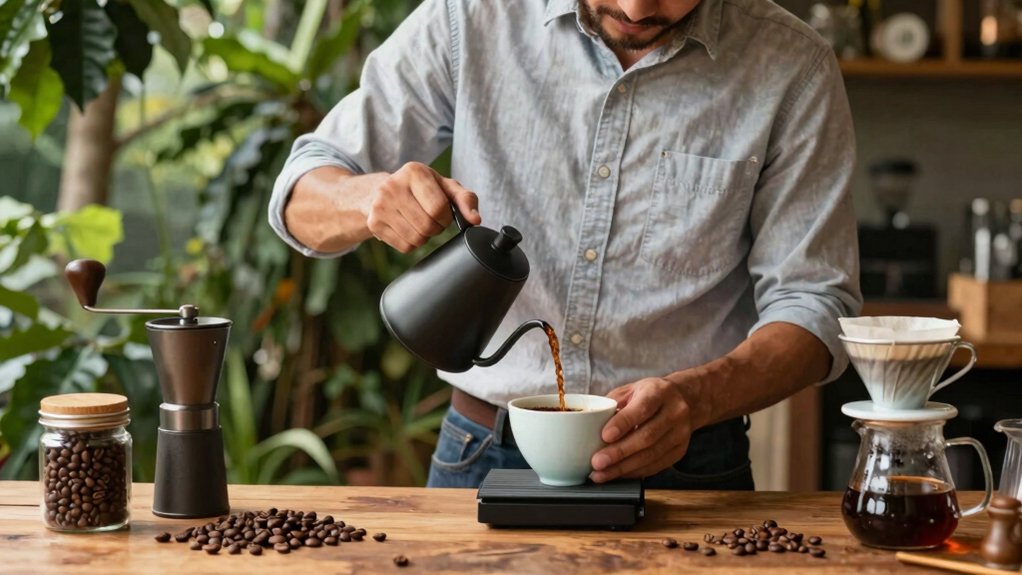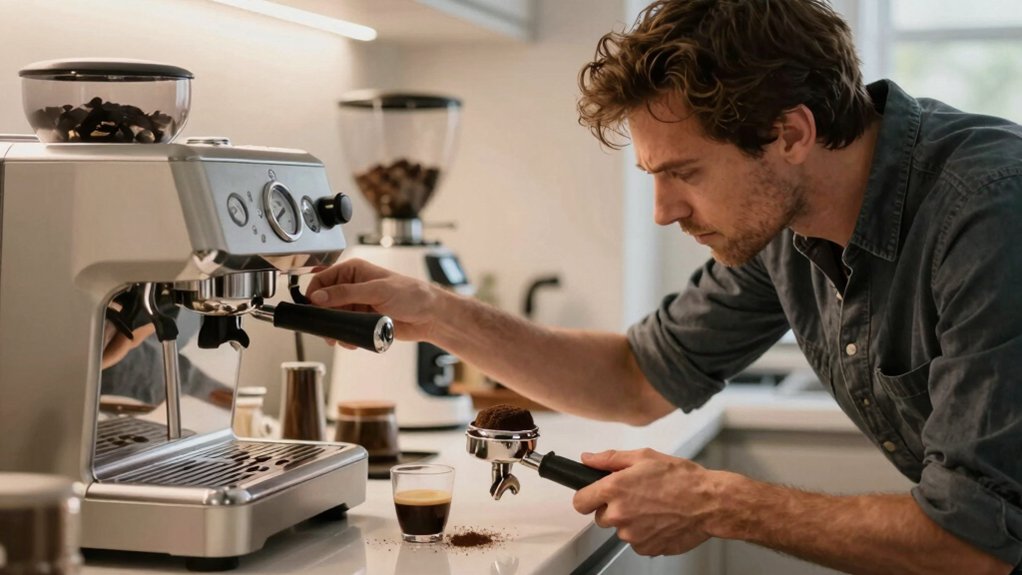


Yes, you can often drink coffee with ulcerative colitis, but it requires a mindful approach.
I find starting with a gentle, low-acid cold brew or a dark roast with a splash of oat milk can make a real difference. It’s crucial to listen to your body and keep portions small, especially outside of a flare.
I’ll share the specific brewing methods and alternatives that let you enjoy the ritual without the worry.
Table of Contents
Can you drink coffee with ulcerative colitis?
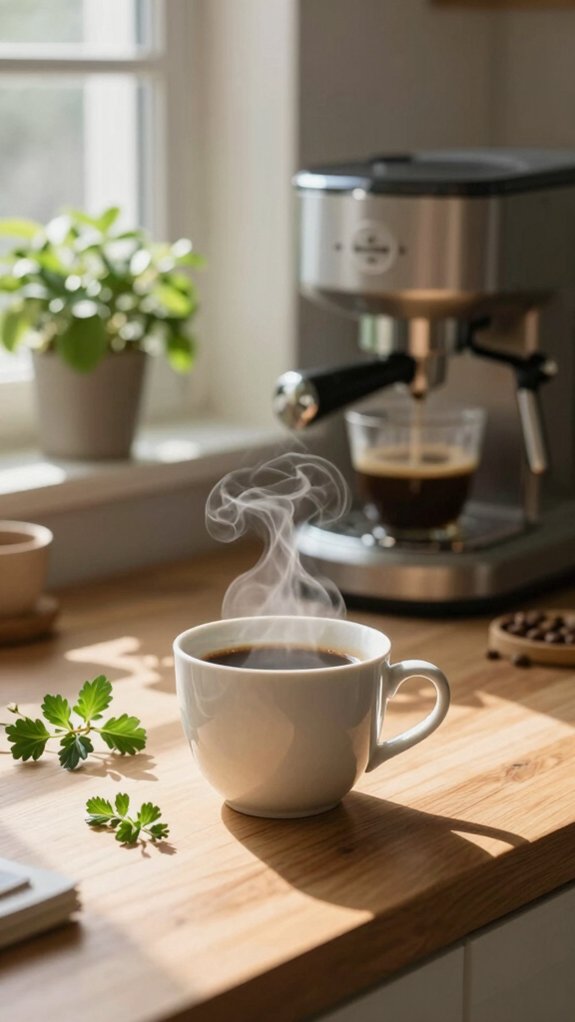
Yes, you can drink coffee with ulcerative colitis, but it’s a highly personal decision that depends entirely on your individual symptoms and tolerance.
As a coffee lover myself, I understand the dilemma. The caffeine stimulates gut motility, which can worsen symptoms like urgency, especially during a flare.
Listen to your body; what triggers one person may be fine for another.
I recommend starting with a single, small cup with food to buffer acidity.
Consider trying a low-acid coffee or cold brew, which are often gentler.
The best tool is a food diary; tracking your coffee intake against your symptoms provides clear, personal data for managing your digestive health.
Is coffee safe during a UC flare?
While you might crave that morning cup for a sense of normalcy, drinking coffee during an active ulcerative colitis flare is generally not considered safe because it can significantly aggravate your most urgent symptoms.
Your gastrointestinal tract is highly sensitive right now, and coffee’s stimulation of gut motility can turn a flare into a frantic race to the bathroom.
I know it’s tough, but here’s why I recommend pausing your brew until you’re feeling better:
It can transform a mild urge into an immediate, non-negotiable emergency.
Your beloved ritual may become a source of predictable pain and anxiety.
It directly irritates an already inflamed system, delaying healing.
Personal tolerance plummets, making even small sips a potential trigger.
Choosing to skip it’s a powerful, caring act for your own well-being.
Listen to your body; research and patient reports agree that eliminating coffee during a flare helps manage symptoms.
You can always revisit your cup in remission.
Is decaf coffee better for ulcerative colitis?

Try this simple journal to track your symptoms:
| Coffee Type | When Drank | How My Gut Felt |
|---|---|---|
| Decaf | After breakfast | Calm, no urgency |
| Decaf | On empty stomach | Mild discomfort |
| Regular | Any time | Flare triggered |
It retains beneficial antioxidants, supporting health without caffeine’s strain.
I always suggest having it with a meal to buffer your digestive system. Listen to your body, it gives the final answer.
Best gentle roasts, brews, and add-ins
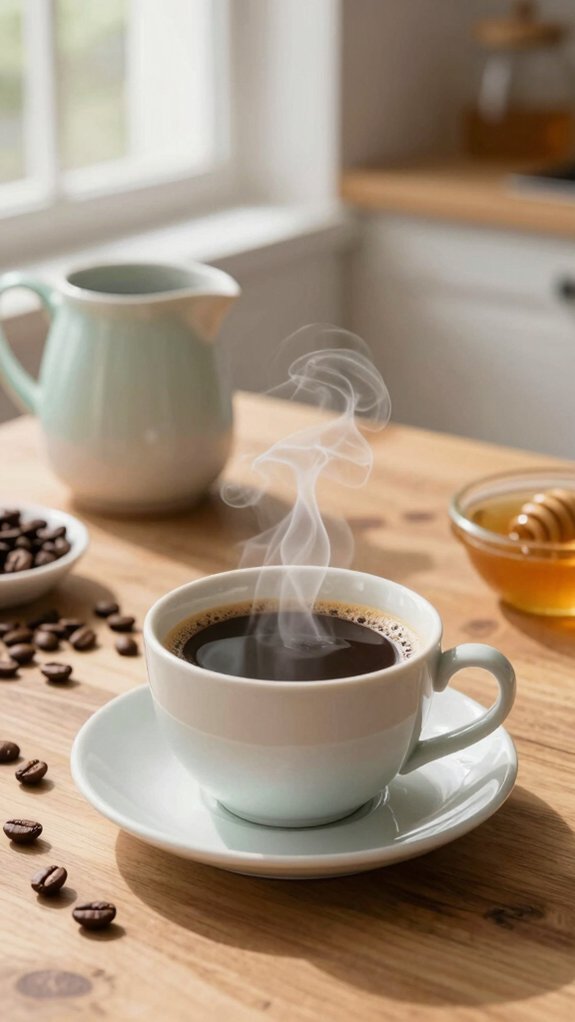
If you’re managing ulcerative colitis but still love coffee, choosing gentle roasts, brews, and add-ins can make all the difference.
I always recommend starting with low-acid coffee options like cold brew, which is naturally smoother.
For roasts, look for specific gentle roasts labeled as low-acid or stomach-friendly.
Switching to decaffeinated coffee can also ease stimulant effects on your digestive system. From there, personalize your cup!
Embrace a velvety cold brew; its slow steeping process tames acidity beautifully.
Discover a “stomach-friendly” labeled roast and feel the comforting difference.
Swirl in creamy oat milk; it’s a soothing, non-dairy milk that dilutes acidity.
Infuse with fresh ginger-a warming herbal add-in that soothes as you sip.
Keep a simple food diary; it’s your personal map to what truly works for you.
How to brew low-acid coffee at home
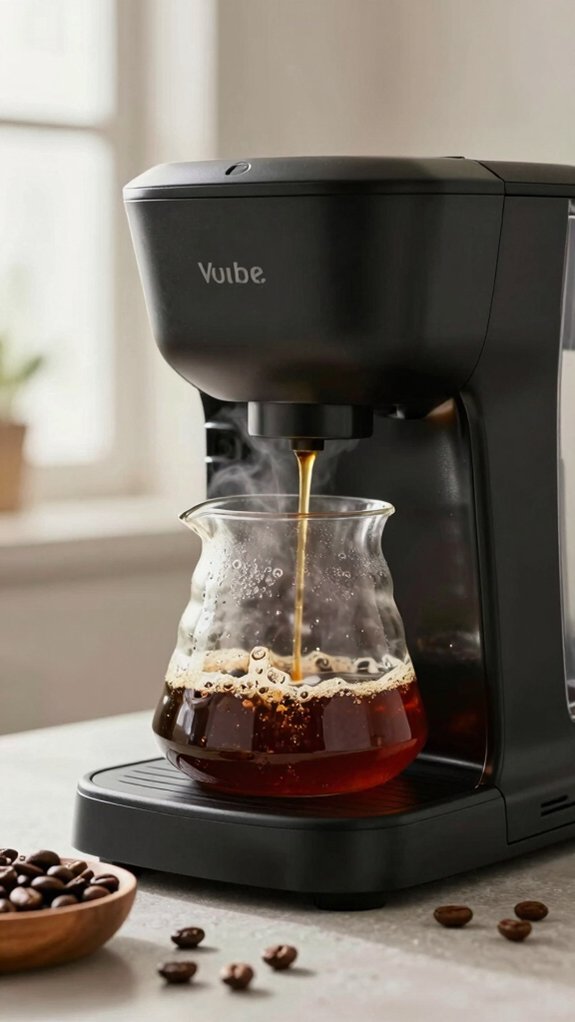
I’ll show you my simple method for brewing low-acid coffee at home, focusing on just three key areas.
Let’s start with the basic ingredients you’ll need, then I’ll walk you through the minimal equipment.
Finally, I’ll give you my step-by-step instructions so you can make a smoother cup right away.
Ingredients
Several straightforward techniques and ingredients can help you brew a smoother, low-acid coffee right in your own kitchen.
When managing ulcerative colitis, coffee consumption can be tricky, so crafting a low-acid coffee is key to being gentler on your digestive tract. By choosing the right components, you can avoid common trigger foods and support your gut health.
The comforting, slow promise of a cold brew steeped overnight.
The gentle embrace of specially selected, low-acid Arabica beans.
The tiny, magical pinch of baking soda that smooths the edge.
The forgiving, coarse grind that refuses to over-extract.
The patient, cooler water temperature for a remarkably mellow cup.
These simple ingredient choices directly influence your brewing methods and your comfort.
Equipment
Now that we’ve got our low-acid ingredients sorted, the right brewing gear will turn them into a truly gentle cup.
I always recommend a cold brew setup or a French press for maximum tolerance. These brewing methods extract flavor slowly, minimizing harsh acids that can irritate your digestive system.
A coarse grind is key here.
Also, consider a paper filter for your pour-over. Studies show it traps oils and fatty acids, further smoothing your coffee.
If even that’s too much, a splash of non-dairy alternatives like oat milk can neutralize acidity.
Finding your perfect low-acid method is a personal experiment for living well with ulcerative colitis.
Instructions
- Embrace the slow, gentle steep that coaxes out flavor without the harsh bite.
- Smell the rich, chocolatey notes often found in low-acid beans.
- Feel relief knowing you’re savoring your ritual without upset.
- Taste the remarkably smooth result, a testament to your careful process.
- Reclaim your morning joy, one soothing cup at a time.
Smart drinking tips, timing, and portions
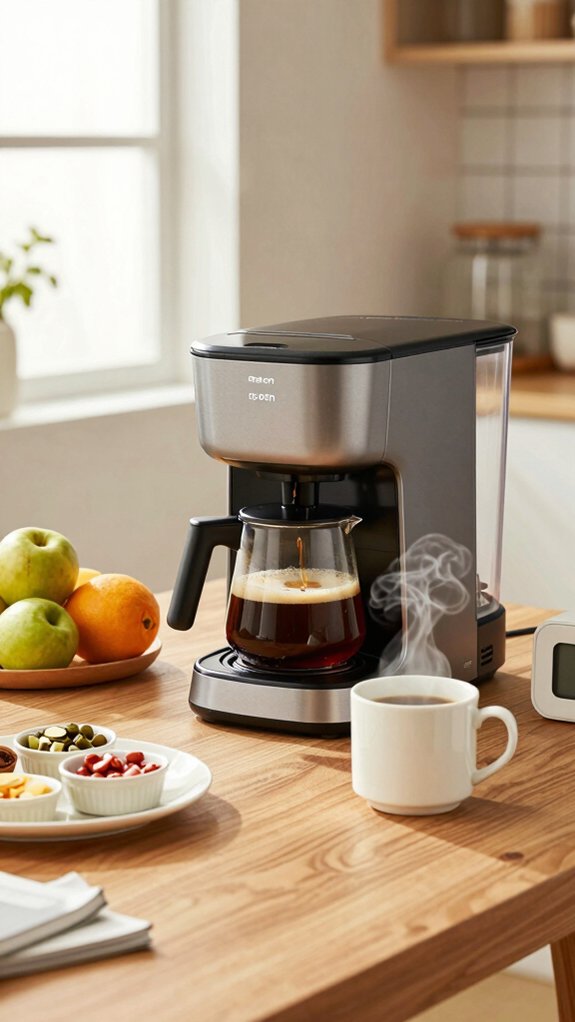
Because smart coffee habits can make all the difference for those managing ulcerative colitis, let’s get straight into how you can enjoy your cup wisely.
Start by strictly limiting your portions to one small cup daily. This helps you assess your individual tolerance, as reactions vary widely with ulcerative colitis.
Timing is crucial: always drink your coffee after a meal. This buffers acidity and protects your stomach. For portions, think espresso-sized, not a large mug.
Choosing a low-acid coffee or cold brew can further reduce irritation.
Most importantly, keep a food and symptom diary. Jotting down how you feel is your best tool for making informed, personal choices about your routine.
What coffee alternatives work for ulcerative colitis?
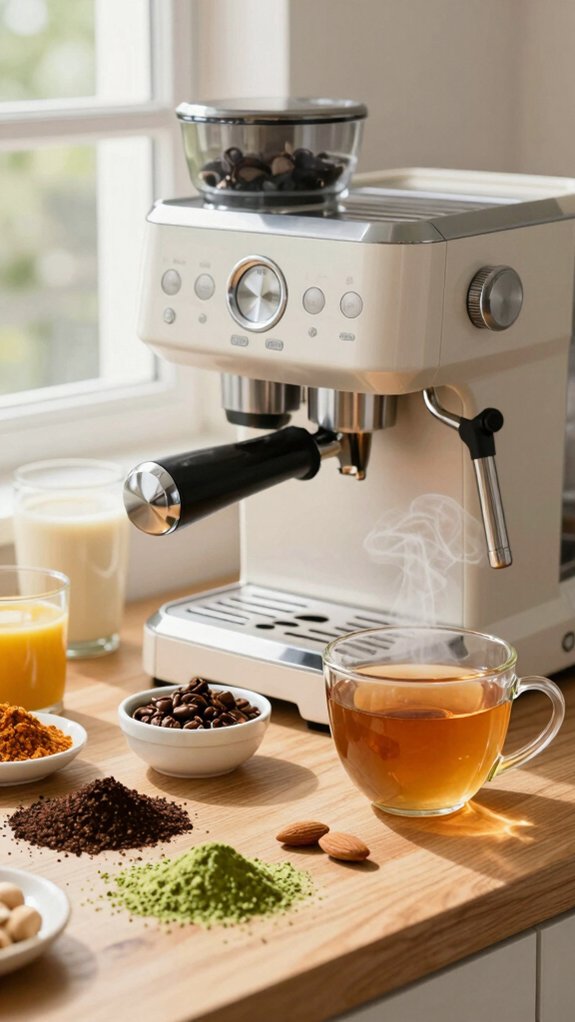
Low-acidity coffee: Specially processed to be smoother on your gut.
Decaf coffee: Offers the familiar roast flavor without the caffeine jolt.
Soothing herbal teas like ginger or peppermint for calm digestion.
Chicory root: Brews into a rich, coffee-like cup with zero caffeine.
Vibrant matcha, for a gentle, antioxidant-rich lift.
Frequently Asked Questions
Can I Drink Coffee if I Have Ulcerative Colitis?
I can try, but it often worsens urgency. I’d start with small amounts of low-acid, cold brew with food and track my symptoms.
I avoid it completely during a flare.
In Conclusion
I personally find coffee can be a cautious cup for colitis. For safe sipping, pick a peaceful pour like cold brew, pair it with a meal, and keep your consumption to one modest mug daily.
Meticulously monitor your body’s messages. During a flare, forgo it fully and favor friendly herbal teas instead.
This mindful method makes managing your morning ritual both possible and pleasurable.