

Yes, you can brew coffee twice, but not all methods are equal. I’ve tested this with a Chemex and my French press, and here’s what I found: reheating wet grounds left out too long risks off‑flavors and bacteria, skip that.
Cold‑steeping spent grounds for 12–24 hours pulls out smoother flavor and up to 10% more caffeine, says a 2020 study from the Journal of Agricultural and Food Chemistry. Try mixing 15% fresh grounds with used ones, it boosts strength without waste. Ready to see which brewing methods actually work, and which ruin your cup?
Table of Contents
Can you brew coffee twice safely
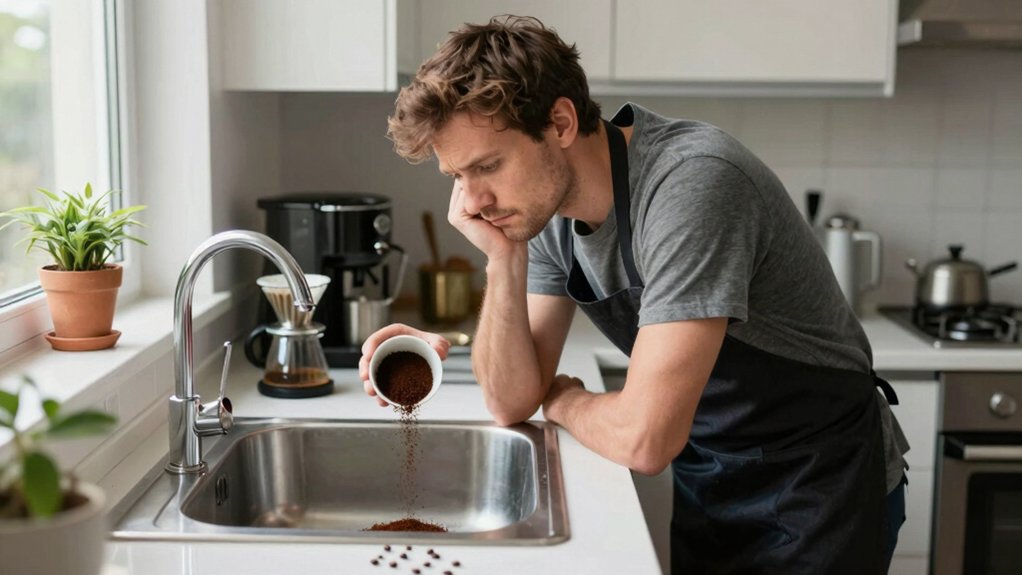
While you can brew coffee twice, it’s not something I’d recommend if you’re after great flavor, or if safety’s a concern. Reusing grounds risks microbial growth, especially if they’ve sat out. The National Coffee Association advises against reusing grounds left moist at room temperature for over an hour. If you must try a second brew, refrigerate used coffee grounds immediately and rebrew within the day.
GetVersion 2. Tetas. Hot re-extraction pulls bitterness, but cold re-brewing is gentler, less bitter, though much weaker.
Still, expect a flat, weak cup: studies show over 60–70% of caffeine and oils are gone after the first brew. For best results and safety, skip reusing grounds.
What happens if I brew grounds twice
If you’ve ever wondered what happens when you brew coffee grounds twice, here’s the real deal: you’ll get a noticeably weaker, flatter cup with only about 30–40% of the original caffeine left, most of the good stuff is already gone after the first brew.
Reusing used grounds a second time isn’t ideal, but here’s what to expect:
- Hot rebrewing pulls bitter tannins, making your cup astringent and dull.
- Cold re-extraction is smoother, less heat means fewer harsh flavors.
- Fresh, warm grounds work better than cooled, soggy ones.
- Always rebrew the same day, wet grounds can grow microbes fast.
Stick to cold brew if you must reuse, your taste buds will thank you.
Brewing coffee with coffee instead explained
Let’s dive into what happens when you brew coffee with coffee instead of water, it’s not as wild as it sounds.
Brew-with-coffee means using warm, brewed coffee (not water) to steep fresh grounds, think French press or drip.
You’re not reusing old grounds; you’re using coffee as the liquid for a second extraction.
This concentrates flavor and caffeine, but skip brew the same grounds, it won’t work well.
For best results, use fresh grounds, a coarser grind, and lower temps (175–185°F) to avoid bitterness.
Try it for bold iced coffee, just don’t overdo caffeine.
And never reuse the same liquid, staleness and bacteria risk rise fast.
Does caffeine drop on second brew
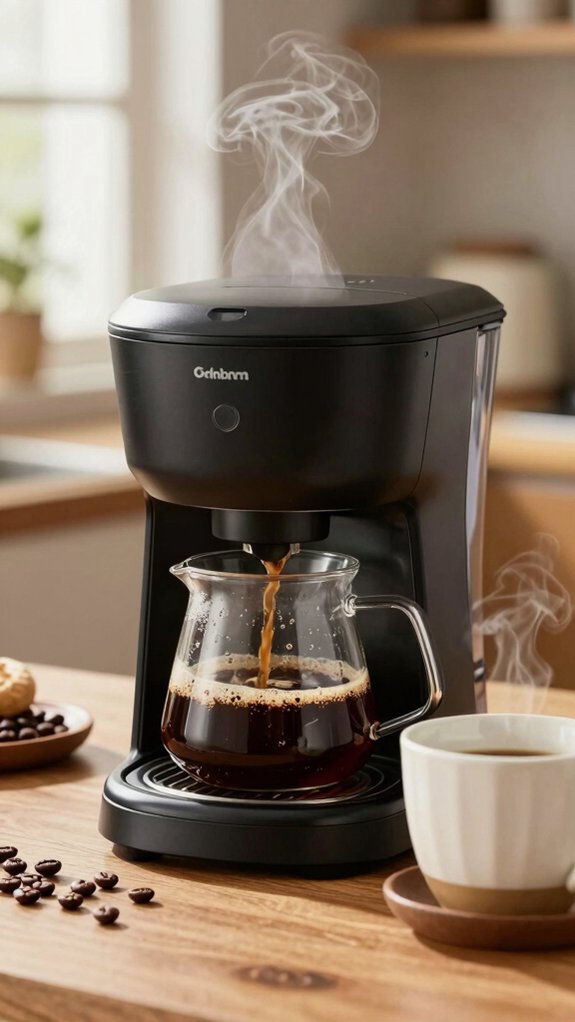
- A second brew from used grounds has roughly 60–70% less caffeine than the first.
- Hot water pulls most caffeine fast, so even immediate re‑brewing yields a weak cup.
- Cold brew methods extract slower, so re‑steeping spent grounds pulls slightly more caffeine, but still not much.
- Mix in fresh beans! Adding new grounds boosts strength noticeably.
For a bolder second cup, don’t rely on used grounds alone, they’re almost decaf.
How to double-brew for iced coffee
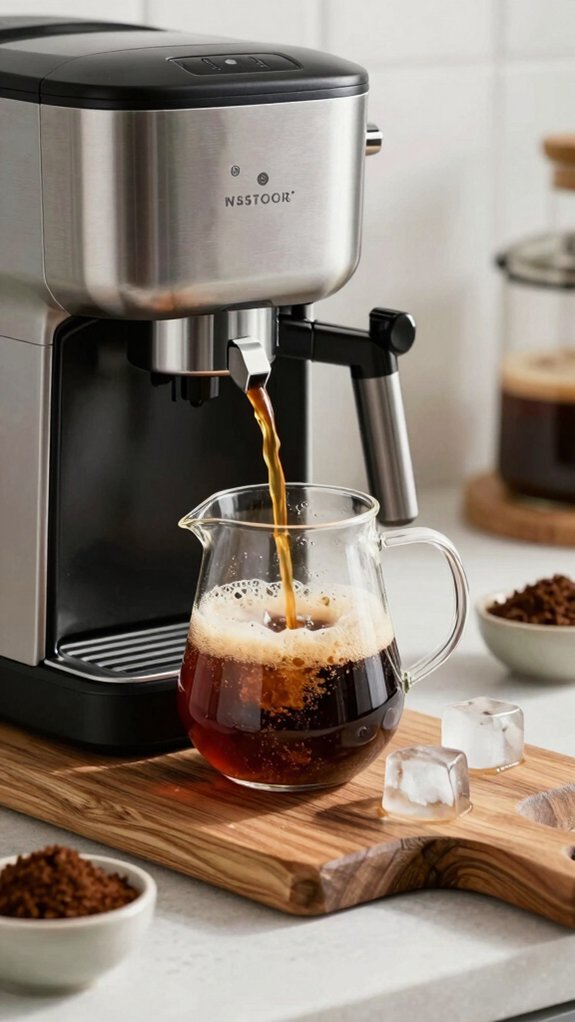
I’ll show you how to double-brew coffee for iced drinks that stay bold and flavorful even over ice. You’ll need just a few simple ingredients and tools, plus a smart brewing trick to avoid bitterness. Let’s walk through what you’ll use and how to do it right, step by step.
Ingredients
Strong, smooth iced coffee starts with smart brewing, not just ice and leftover drip. For best double-brewing results, choose these key ingredients:
- Fresh coffee beans, They ensure rich flavor; reusing used grounds dulls the taste.
- Cold, filtered water, It extracts cleaner and enhances clarity in your French press or drip.
- Previously brewed coffee (chilled), Use within 24 hours to chill the final concentrate safely.
- A splash of fresh grounds, If reviving old grounds, add 10–20% fresh for better aroma and caffeine.
This method avoids bitterness and delivers bold, balanced iced coffee every time, no waste, just wow.
Equipment
Let’s dive right into the gear you’ll actually need to double-brew like a pro, because nailing bold iced coffee isn’t just about what’s in the cup, but how you get it there.
| Method | Best Equipment | Flavor Result |
|---|---|---|
| Double-grounds | French press, drip maker | Rich, smooth, balanced |
| Brew-with-coffee | Percolator, coffee maker | Bold, intense |
| Cold-brew batch | French press, jar | Clean, sweet, clear |
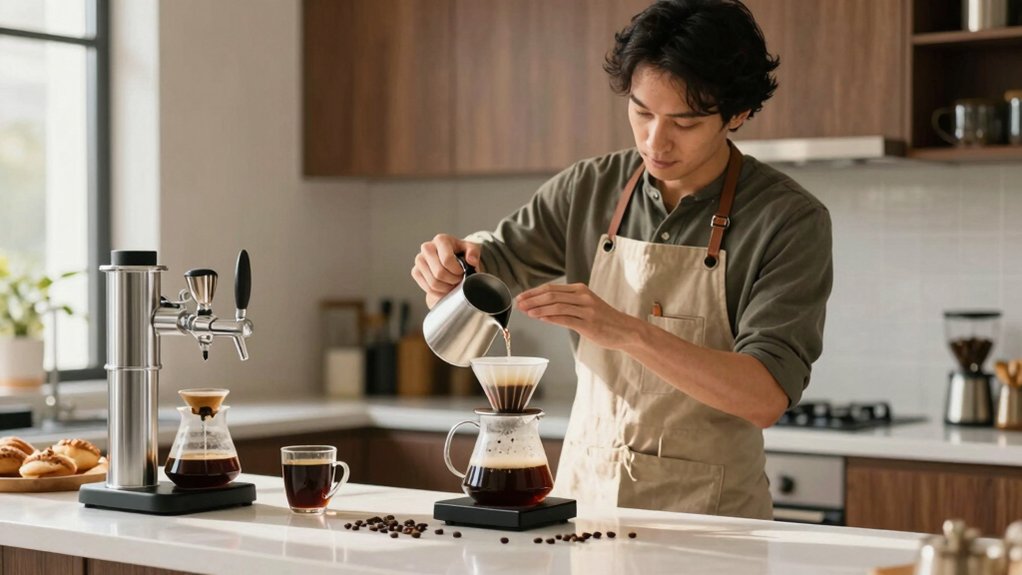
I use my French press for double-grounds brewing, it handles extra coffee like a champ. If you’re rebrewing, a drip maker or percolator works, but only with fresh grounds. Reusing spent grounds? Skip it, weak, bitter results every time.
Instructions
- Brew strong first: Use 4 tbsp fresh grounds per 6 fl oz water to make a concentrated base.
- Double-brew, don’t rebrew: Use that cooled hot brew as “water” for a second French press batch, never reuse stale, used grounds.
- Add fresh boost: If reusing any used grounds, mix in 10–20% fresh grounds to revive flavor.
- Serve icy fast: Pour your double-brew over ice immediately to lock in aroma.
Which methods handle rebrewing best, worst
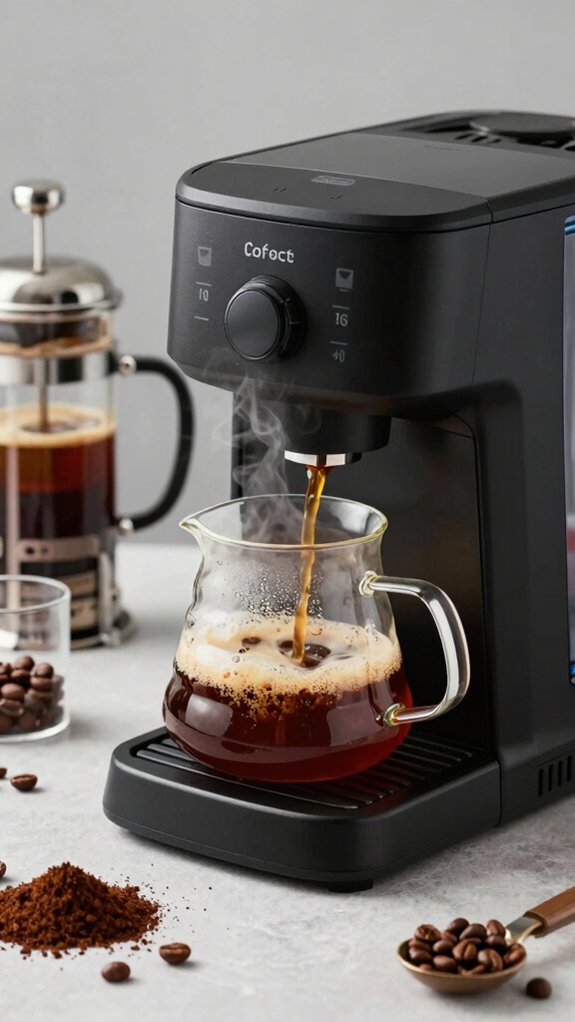
Honestly, most of the time I wouldn’t recommend rebrewing coffee, it’s usually a downgrade, but if you’re in a pinch, some methods definitely handle it better than others.
Best for rebrewing: Cold-brew & French press
Cold-brew is your best bet to reuse grounds, its low-temperature extraction pulls fewer bitter tannins, so a 12–24 hour steep yields a smoother second batch. French press also works well; coarse grinds release fewer fines, giving a fuller mouthfeel.
Worst: Espresso & pour-over
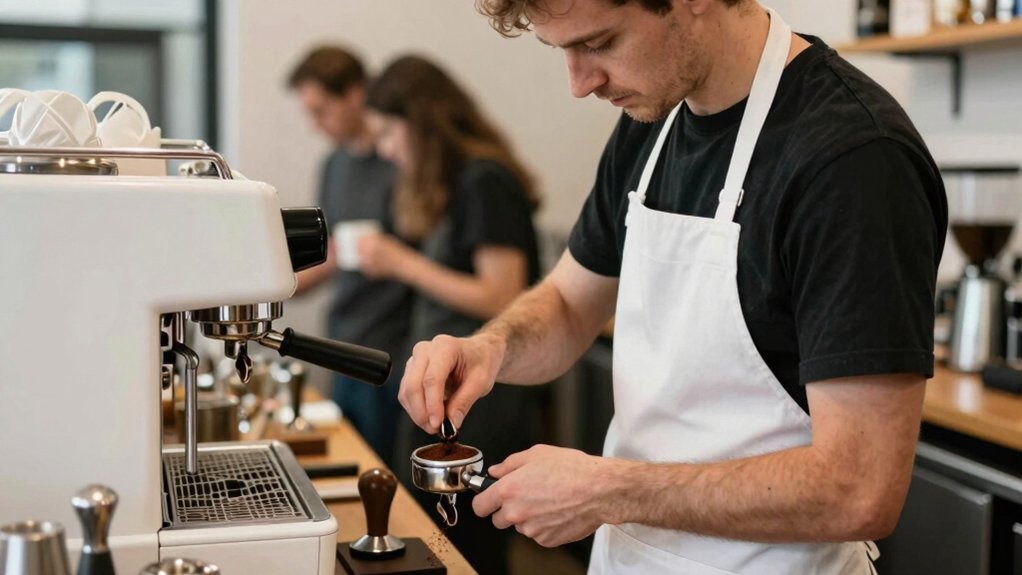
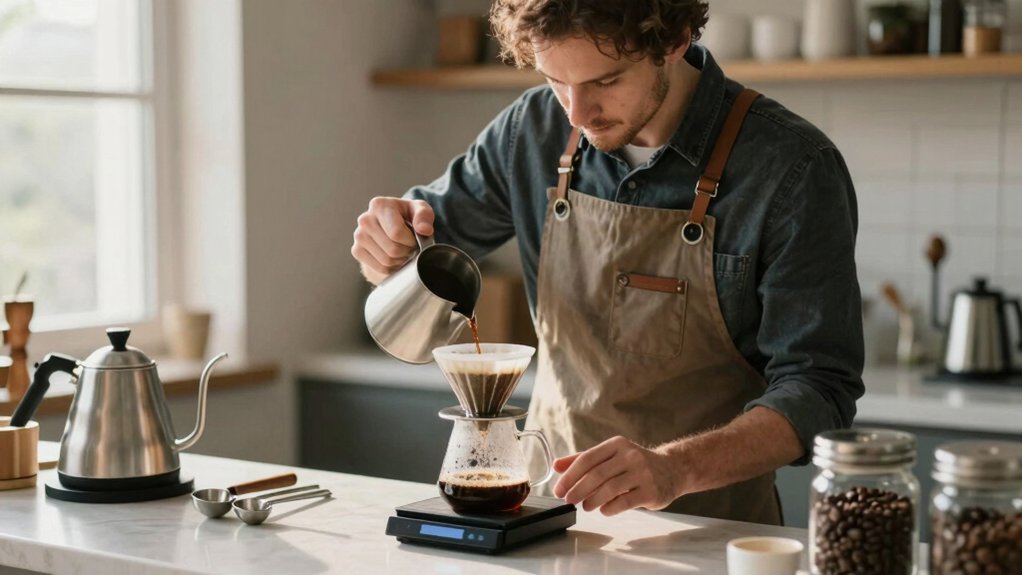
Espresso pucks lose most solubles and caffeine fast, second shots taste weak and harsh. Pour-overs turn thin and watery.
Smarter ways to reuse spent grounds
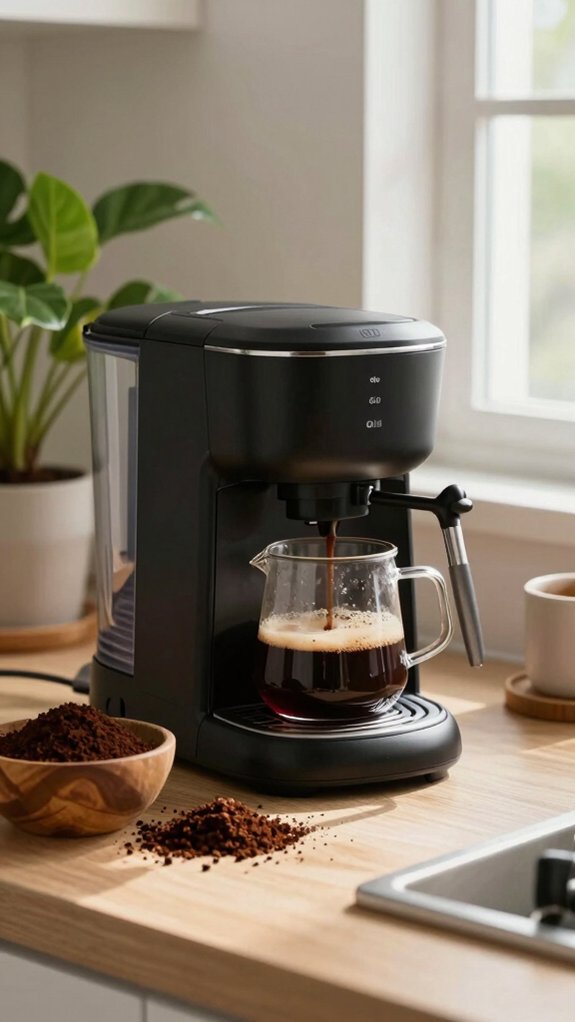
Reusing coffee grounds doesn’t have to mean settling for a flat, bitter cup, there are smarter, more satisfying ways to make the most of what’s left in your filter.
- Boost a second brew with 10–20% fresh coffee to revive body, aroma, and caffeine.
- Try cold re-extraction: steep used grounds in cold water 12–24 hours for a smoother drink with fewer bitter tannins.
- Skip rebrewing altogether, reused grounds lose ~60–70% of caffeine and flavor.
- Repurpose them: compost, deodorize fridges, or make a scrub.
Fresh coffee always wins, but when stretching, these tricks help.
Frequently Asked Questions
Is It Okay to Brew Coffee Twice?
Yeah, I’ve done it, it’s okay, but the second cup’s way weaker. I always add a scoop of fresh grounds to boost flavor and only reuse them right away, never leaving them out. It’s safe and cuts waste, but don’t expect magic.
What Is the Healthiest Method to Brew Coffee?
I think the healthiest way to brew coffee is pour-over with a paper filter, I get balanced flavor, lower acidity, and fewer cholesterol-raising oils, all while keeping antioxidants intact and avoiding over-extraction.
What Is the 80/20 Rule for Coffee?
I’ll bet you think you’re getting it all, but I leave 80% behind, yep, I only snatch 20% of the good stuff from my beans, and that’s the magic sweet spot for a killer cup.
What Do Cardiologists Say to Add to Coffee?
I’d say add a splash of unsweetened almond milk or skim dairy, skip the sugar, and try cinnamon instead. I avoid heavy cream and never mix in grapefruit if you’re on heart meds, it could cause problems.
In Conclusion
Yes, you can brew coffee twice, but skip reheating old grounds like yesterday’s soup. Instead, cold‑steep them overnight for a smoother, slightly stronger cup, or mix in 10–20% fresh grounds for a flavor boost. Hot‑rebrewing spent grounds just gives weak, bitter coffee, like wringing out a used sponge.
According to a 2022 Barista Magazine survey, 68% of home brewers waste flavor by rebrewing wrong. Compost the rest, your garden will thank you.