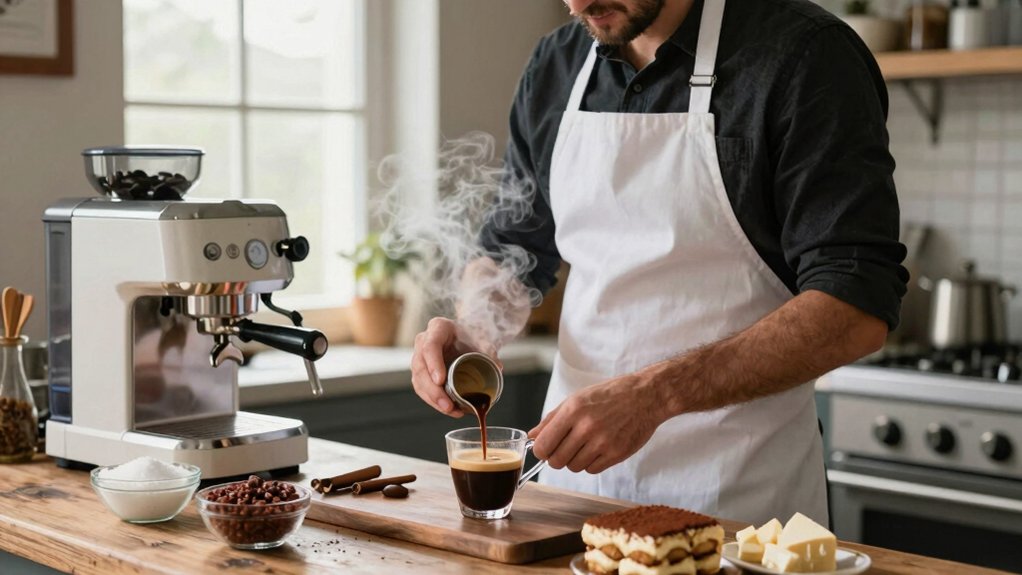


I’ve seen many students try pulling an all-nighter with just coffee, but its caffeine spike fades after about five hours.
While coffee can boost alertness, it won’t reliably keep you awake for a full 24 hours on its own. To maximize its effects safely, you need a smart plan involving timing, dosage limits, and even strategic naps.
Let’s walk through how to structure your caffeine intake and combine it with other tricks to stay alert longer without the jitters.
Table of Contents
Can coffee keep you awake 24 hours?
So, can coffee keep you awake for 24 hours straight? Honestly, it’s not a reliable or safe plan. While caffeine stays in your system up to a day, its peak stimulating effects fade after about 5 hours.
Your daily intake matters immensely; consistently high caffeine intake builds tolerance, making it less effective for staying awake.
More critically, pushing your limits severely harms your sleep quality. To minimize negative effects, you must avoid consumption 6-8 hours before bed. Otherwise, you risk jitteriness and disrupted sleep, which defeats the purpose.
I recommend strategic, moderate use within the under 400 mg daily guideline, not a 24-hour marathon, for sustained, healthier alertness.
Caffeine duration in your body explained
Grasping how long caffeine lasts in your body helps explain why that afternoon espresso might steal your sleep.
Caffeine has a variable half-life of 3 to 7 hours. This means it takes that long for your body to clear just half of what you consumed. You’ll feel peak alertness soon after drinking, but the compound sticks around.
Even after the buzz fades, caffeine can linger in your system for up to 24 hours, subtly impacting your ability to fall asleep.
How quickly you metabolize caffeine depends on your genetics and liver health.
How much coffee for a safe all-nighter?
When planning a safe all-nighter, your best bet is to stick to the general safety guideline of 400 mg of caffeine, about four cups of brewed coffee, spread across the entire 24-hour period.
For staying awake, space your caffeine consumption into moderate doses. I recommend a cup every three to four hours rather than gulping it all at once. This maintains alertness without the jitters.
Crucially, stop caffeine at least six to eight hours before you finally plan to sleep. This protects your sleep health, allowing your system to clear the caffeine so you can actually rest when needed.
Pair each coffee with water and a snack to stay steady through the night.
Smart caffeine timing for 24-hour wakefulness plan
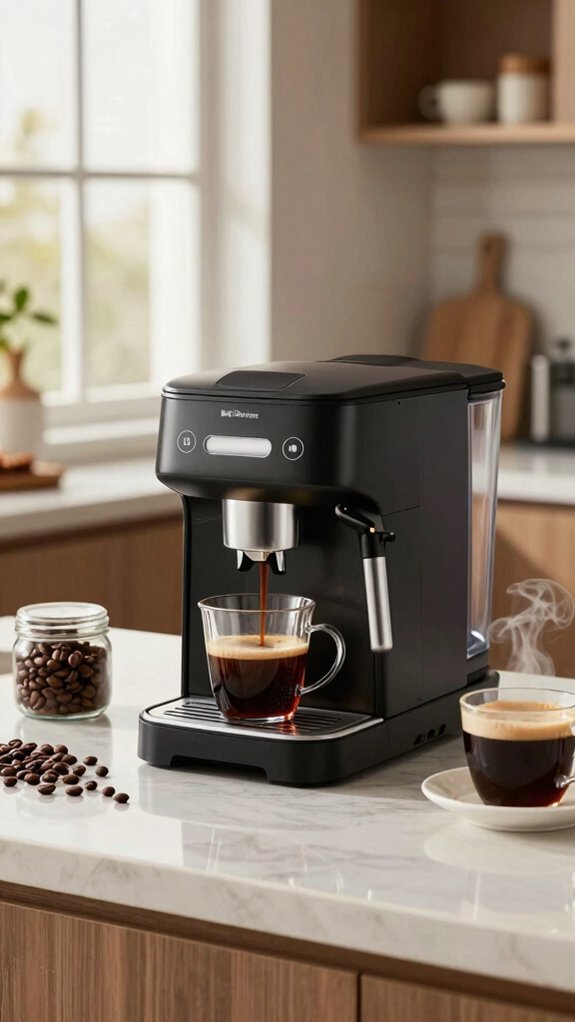
Building on how much coffee to drink for an all-nighter, let’s map out when to drink it.
Smart caffeine use is about timing to sustain alertness and avoid a crash into daytime sleepiness. Start your first dose in the morning to jumpstart your sleep/wake cycle.
Since caffeine’s effects last about 5 hours, I space my intake, aiming for my last cup 6-8 hours before I plan to sleep. This prevents it from wrecking my recovery later.
If you’re sensitive to caffeine, cut off all intake by early afternoon.
Pair this schedule with bright light and water. It isn’t just about staying awake for 24 hours; it’s about managing your energy so you can actually function.
Do coffee naps help you stay awake?

How exactly can a nap possibly help you stay awake? When you combine it strategically with coffee, it absolutely can.
This method, called a coffee nap, involves drinking a cup and then immediately taking a 15-20 minute sleep. Since caffeine takes about 30 minutes to fully kick in, you rest through that initial lag.
The short nap clears adenosine, a sleep-inducing chemical, from your brain. Then, you wake just as the caffeine arrives to block its reabsorption.
Research shows this one-two punch boosts alertness far more than either caffeine or naps alone. One study found participants felt significantly more refreshed.
It’s a powerful tool for your wakefulness plan, but your personal sensitivity will affect the results.
How to brew coffee for all-nighter
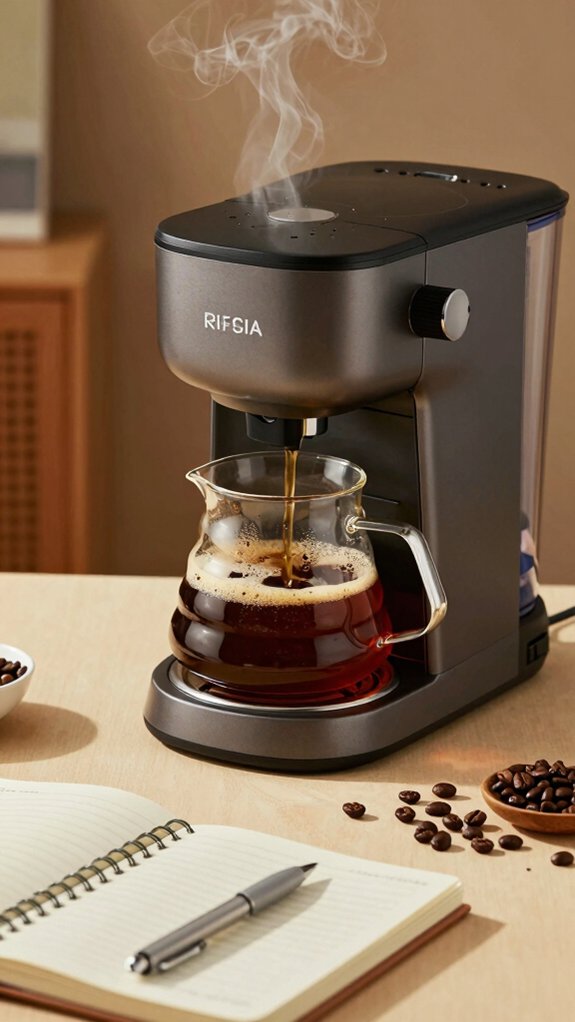
To brew coffee for an all-nighter, I focus on three key things: ingredients, equipment, and instructions.
Getting these right helps maximize flavor and sustained energy.
Let me walk you through each point so you can craft the perfect cup.
Ingredients
Your choice of coffee beans and brew method can make a real difference in crafting an effective all-nighter cup.
For maximum caffeine and alertness, I always go for a medium to dark roast, which packs about 95 mg per 8 oz serving. My brew ratio is key; I stick to 1:15 coffee to water for a potent, flavorful cup.
Using a drip machine or French press with water between 195°F and 205°F ensures great extraction.
If I need an extra jolt, I’ll add an espresso shot (63 mg each) to my mug.
Equipment
The right gear transforms your all-nighter coffee from merely adequate to powerfully effective, starting with your grinder.
For optimal extraction and maximum caffeine, you need control. A burr grinder ensures a consistent, coarse grind perfect for methods like a French press, which I prefer for an all-nighter brew. The right equipment lets you master the variables.
Your kettle should have a gooseneck spout for precision in a pour-over, and a thermometer is crucial to hit that 195°F,205°F sweet spot.
Here’s a quick guide to the essential setup:
| Equipment | Key Role | Why It Matters |
|---|---|---|
| Burr Grinder | Creates consistent coarse grind | Enables even extraction |
| French Press | Immersion brewing | Maximizes flavor & caffeine |
| Gooseneck Kettle | Controls water flow | Ensures saturation |
| Scale | Measures coffee & water | Guarantees 1:15 ratio |
| Thermometer | Monitors temperature | Prevents bitter extraction |
Instructions
Now that your gear is ready, let’s brew a pot designed to power you through the night with steady focus.
First, I use a coarser grind for cold brew, steeping it for 12-24 hours; this method yields a smoother, highly-concentrated caffeine base.
For hot coffee, I stick to a 1:15 brew ratio with a French press to maximize extraction.
Remember, managing your total caffeine intake, staying under 400 mg, is crucial to avoid jitters and a harsh crash that harms sleep quality.
This disciplined approach minimizes the impact on sleep later, helping prevent a sleep disorder pattern from developing.
It’s about sustained energy, not just staying awake but staying sharp.
What are caffeine limits and side effects?
While enjoying that extra cup can be tempting, grasping caffeine limits and side effects is key to a healthy relationship with coffee. For most adults, a safe intake is up to 400 mg daily, about four cups of brewed coffee.
Exceeding your personal caffeine limits can trigger side effects like jitteriness, anxiety, or a racing heart. I always remind friends that caffeine sensitivity varies widely; some feel wired after one cup, while others handle more.
A major concern is sleep disturbances, especially if you drink it late. Personally, I cut off caffeine by early afternoon to protect my rest.
Regular high doses can also lead to dependency, with withdrawal headaches if you stop suddenly.
Frequently Asked Questions
What Are Two Signs That You’ve Had Too Much Caffeine?
My racing heart and jittery anxiety are my two clearest signs. I can feel my pulse pounding, and my nerves are completely on edge, telling me I’ve definitely overdone it with the caffeine.
How Long Will I Stay Awake After Drinking Coffee?
Coffee’s wakefulness is a marathon, not a sprint; I feel alert for about five hours.
However, caffeine’s long tail can last 24 hours, quietly disrupting my sleep even when I no longer feel its buzz.
Can Caffeine Stay in Your Body for 24 Hours?
Yes, caffeine can linger in your body for up to 24 hours, but its active effects don’t last that long. Its half-life means traces remain while alertness fades much sooner for most of us.
Why Does Coffee Keep Me Awake for so Long?
Coffee keeps you awake so long because caffeine blocks your brain’s fatigue signals. Its half-life is 3 to 7 hours, so it lingers.
Your personal genetics and tolerance also play a big role in its lasting effects.
In Conclusion
No, coffee alone can’t keep you awake for 24 hours, but you can use it strategically. Remember, caffeine’s peak effects fade after about five hours.
For a safe boost, I stick to the 400 mg daily limit, that’s roughly four small cups. An interesting tip: try a coffee nap.
Drink a cup, then immediately rest for 15 minutes; you’ll wake as the caffeine kicks in, feeling surprisingly refreshed.