
Yes, coffee can trigger overactive bladder symptoms because caffeine irritates your bladder lining and acts as a diuretic.
I’ve found that consuming over 200mg daily, about two strong cups, often worsens urgency for many people. But you don’t have to give up your ritual; smarter choices like single-origin light roasts, which have slightly less caffeine, or switching to a great decaf after your first cup can make a real difference in your daily comfort.
Table of Contents
Can coffee cause overactive bladder symptoms?
Research shows a clear dose-dependent link. Consuming more than 200mg of caffeine daily, about two cups, is associated with worsening OAB symptoms.
In fact, studies indicate having over four cups may even trigger symptoms in people who never had them before.
While it doesn’t cause urinary tract infections, that acidic, diuretic brew can definitely make you feel like you’re running to the bathroom all morning.
How caffeine irritates the bladder lining
Direct Contact: Caffeine in urine can directly irritate the sensitive lining of your bladder, heightening feelings of urgency and discomfort.
Increased Production: It boosts blood flow to your kidneys, ramping up urine production and leading to frequent urination that further aggravates the lining.
Muscle Stimulation: Caffeine stimulates both your nervous system and bladder muscles, creating more contractions and a constant sense of urgency.
Managing your caffeine intake is crucial because this combined effect on the bladder can significantly disrupt your day.
Does decaf coffee still trigger overactive bladder?
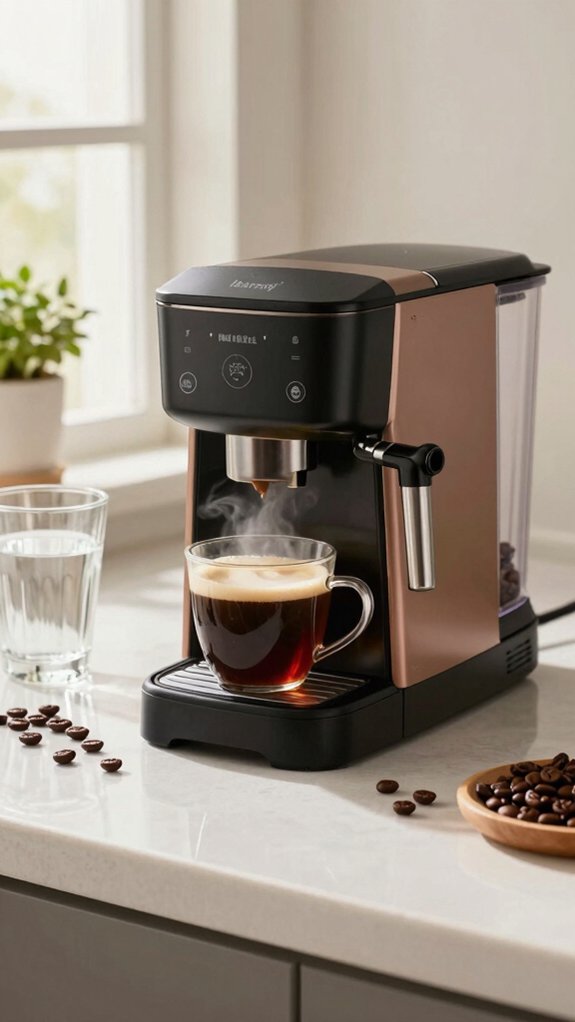
So, you might wonder if switching to decaf coffee truly lets you dodge overactive bladder symptoms.
The good news is, research shows decaf coffee contains only 2-5 mg of caffeine per cup, an amount not strongly linked to worsening overactive bladder for most people.
This minimal caffeine intake means it’s generally a safer choice if you’re monitoring bladder sensitivity.
However, I always advise paying attention to your own body’s signals. A minority may still experience irritation, highlighting the need for personalized assessments.
Think of decaf as a useful tool in your kit. It lets you enjoy the ritual and flavor while significantly reducing a key potential trigger.
Your personal experience is the final guide.
How much caffeine worsens bladder symptoms?
Consuming over 200 mg of caffeine a day is consistently linked to more frequent and urgent overactive bladder symptoms.
Ingesting over 400 mg (about four cups) can even trigger symptoms in people who didn’t have them before.
Since sensitivity varies, I recommend tracking your personal response to find your own tolerance level for maintaining good bladder control.
Can tea soda or chocolate worsen urgency?
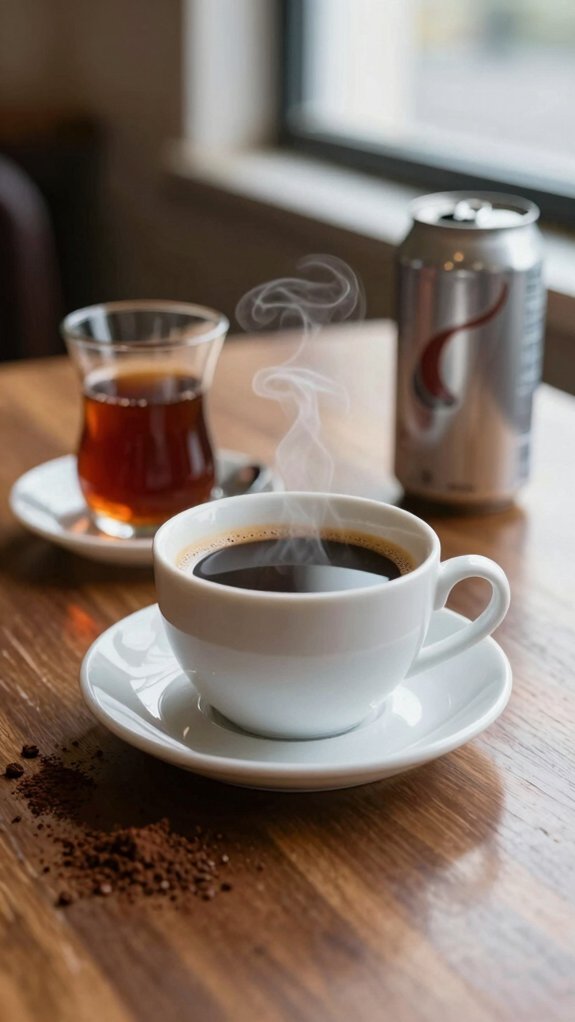
My advice? Monitor your intake of these items.
Switching to herbal tea might help, but listen to your body, as some blends still cause issues.
For many, reducing these common triggers is a simple, effective step toward greater comfort.
It’s all about finding what works for your unique system.
Bladder-friendly coffee choices and smart swaps
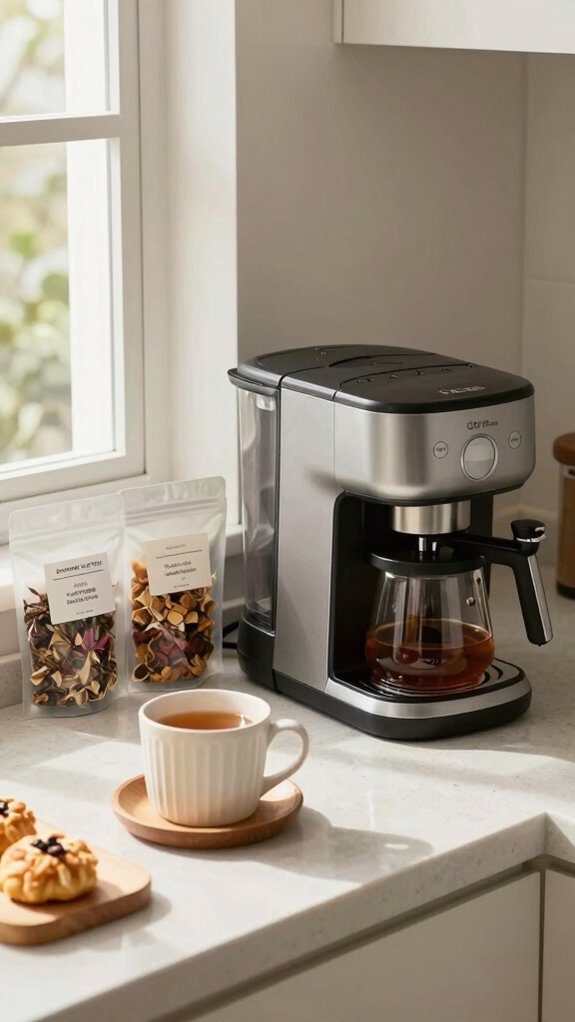
Bladder-friendly coffee choices and smart swaps
While caffeine is a common irritant for an overactive bladder, you don’t have to abandon coffee altogether if you explore some smart, bladder-friendly swaps.
I’ve found the key is choosing options that minimize irritation while letting you enjoy your ritual.
Here are my top picks for OAB management:
Opt for decaffeinated coffee: It’s a true bladder-friendly choice, offering the rich flavor with significantly less caffeine.
Try a low-acid coffee brand: These are gentler and may reduce bladder irritation compared to regular roasts.
Swap in herbal teas: For a completely caffeine-free alternative, soothing herbal teas like chamomile can be a wonderful, calming substitute.
Just remember to monitor your personal response, as everyone’s tolerance differs.
When to see a doctor about OAB
Knowing when to talk to a doctor about overactive bladder symptoms is a key step in getting your comfort and routine back on track.
If you’re cutting caffeine but still rushing to the bathroom constantly, disrupting your day or sleep, it’s time to consult a healthcare provider. They can determine if it’s truly an overactive bladder or something else, like recurrent bladder infections.
I recommend keeping a simple voiding diary to track your symptoms; this info is gold for your doctor.
Don’t just live with the discomfort; effective management plans exist.
Getting a professional opinion is the smartest move for your long-term comfort and coffee enjoyment.
Frequently Asked Questions
Does Quitting Caffeine Help an Overactive Bladder?
Yes, I’ve found quitting caffeine can significantly help an overactive bladder.
I experienced fewer leaks and urgency shortly after stopping, and keeping a voiding diary showed me the direct positive impact on my symptoms.
What Is the Best Thing to Drink for an Overactive Bladder?
Like a gentle rain on parched earth, water is my best drink for an overactive bladder. I also choose decaf coffee or herbal tea, as they keep me hydrated without the irritation caffeine brings.
What Are Two Signs That You’ve Had Too Much Caffeine?
Two signs I’ve had too much caffeine are urgently needing the bathroom more often and feeling jittery or restless. These happen because caffeine irritates my bladder and overstimulates my nervous system.
Does Coffee Irritate an Overactive Bladder?
Yes, coffee can irritate an overactive bladder. Like a relentless alarm for your bladder, its caffeine is a known irritant, often increasing urgency.
I’d try decaf and track my symptoms to find my personal limit.
In Conclusion
Yes, coffee can cause overactive bladder symptoms, but you don’t have to abandon your beloved brew.
Think of your bladder like a sensitive garden; too much caffeine can flood it. By choosing gentler options and listening to your body, you can cultivate comfort.
A mindful approach lets you savor the ritual without the storm of urgency. Here’s to enjoying every cup with ease and wisdom.