


I know many of us can’t imagine our morning without coffee, and the good news is that moderate daily intake is generally safe for your heart. However, research shows that very high consumption, particularly in individuals with existing severe hypertension, can double the risk of cardiovascular events.
I’ll break down exactly who should be cautious, how much is considered safe, and what you can do to enjoy your brew responsibly.
Table of Contents
Can coffee cause a heart attack?

So, can coffee cause a heart attack? For most healthy adults, moderate coffee consumption isn’t a direct trigger and may even support heart health.
However, risk increases with high blood pressure. Research shows drinking two or more cups daily doubles cardiovascular death risk for those with severe hypertension (160/100 mm Hg or higher). Your caffeine intake can also temporarily raise heart rate.
For individuals with existing coronary artery disease, heavy coffee consumption might elevate risks, especially when combined with habits like smoking.
The key is moderation; up to 3-4 cups daily is generally safe. Listen to your body; if you have hypertension, consult your doctor to personalize your coffee intake.
Who is most at risk from coffee?

While moderate coffee is safe for most people, certain individuals should be more mindful of their intake.
If you have severe hypertension, your risk of cardiovascular issues from high caffeine intake is real. Studies show a doubled risk for those with very high blood pressure.
People with atrial fibrillation or other heart conditions may also experience palpitations.
Furthermore, if you have certain health conditions like anxiety, caffeine might worsen symptoms.
My advice? Know your body. That rich, aromatic cup is a daily joy, but listening to your heart and consulting your doctor is key if you fall into these higher-risk groups.
Your coffee ritual should support your wellbeing, not undermine it.
How much coffee is safe daily?

| Consideration | Guideline |
|---|---|
| General Safe Limit | Up to 400mg caffeine (4 cups) |
| Key Health Focus | Individual blood pressure response |
| For Severe Hypertension | Consult a doctor; risk increases |
Exceeding 400mg daily can lead to problems.
Moderation is your best practice for enjoying coffee safely.
Coffee, caffeine, arrhythmias and heart palpitations
Now that we’ve looked at daily limits, I often get asked about coffee’s direct effect on your heartbeat, specifically about palpitations and arrhythmias.
The caffeine in your cup is a stimulant. For most healthy individuals, a moderate amount might cause a slight, harmless increase in heart rate.
However, sensitive people can experience heart palpitations, that fluttery feeling. High intake, over 600 mg, can significantly raise blood pressure and heart rate, increasing the risk of developing more serious arrhythmias.
The key is knowing your body. If you feel jittery or your heart races, consider reducing your coffee intake.
For a safe intake, stick to under 400 mg daily and consult a doctor if symptoms persist.
Decaf, timing, filters, and added sugars
Finally, skip the added sugars and creamy toppings.
They turn a healthy habit into one that can undermine your caffeine consumption goals and heart.
How to brew heart-friendly coffee at home
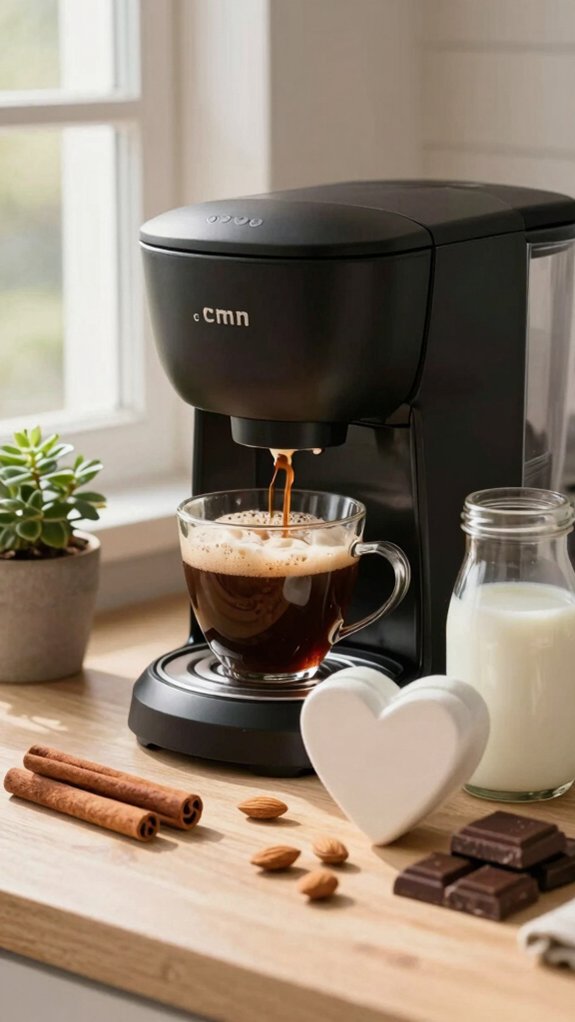
I’ll show you how I brew heart-friendly coffee at home by focusing on three key areas: ingredients, equipment, and instructions.
First, I always choose a paper filter and a low-acid coffee bean to minimize oils and acidity.
Then, using a simple drip or pour-over method, I avoid adding sugar or high-fat creamers to keep the benefits intact.
Ingredients
Mind your maximum intake; stick to 1-4 small cups daily (under 400mg of caffeine) to support stable blood pressure and overall heart health.
Finally, skip the sugar and fatty creamers.
Your coffee consumption should be a pleasure, not a cardiovascular stressor.
Equipment
Your daily consumption matters, but so does cleaning. Oils and residue build up in your machine, which can harbor mold.
I make it a habit to clean my equipment weekly with vinegar. It ensures every cup is pure, safe, and supports a heart-healthy ritual.
Instructions
Three simple steps can transform your daily brew into a heart-friendly ritual, starting with your choice of filter.
First, I always use a paper filter. It traps oils that can raise LDL cholesterol, directly supporting your heart health.
Second, manage your caffeine daily amount. Stick to a moderate intake of 1–2 small cups (about 200–400 mg). This habit is key for most healthy adults and helps manage blood pressure, reducing potential coronary risk.
Exceeding this can cause jitters, while sudden stops might bring withdrawal symptoms.
Finally, personalize it. If you have a sensitive stomach, try a low-acid bean. I often add a dash of cinnamon for antioxidants, great flavor, no sugar.
Listen to your body; it’s the best health information you have.
When to skip coffee and see doctor
How do you know when your daily coffee habit might be signaling it’s time for a check-up?
Primarily, monitor your coffee intake if you have uncontrolled high blood pressure (160/100 mm Hg or higher), as this directly relates to cardiovascular risks.
If you feel palpitations or notice fast heart rhythms after your cup, that’s your body suggesting you chat with a healthcare provider.
The same goes if you have anxiety disorders or other medical conditions; your caffeine consumption should be part of that conversation.
Basically, if coffee leaves you jittery, with a pounding heart, or interrupts your sleep, it’s wise to skip it and seek professional guidance.
Your brew should energize you, not endanger you.
Frequently Asked Questions
Does Drinking Coffee Raise Cholesterol Levels?
Yes, certain coffee brewing methods can raise cholesterol. Unfiltered coffee, like French press or espresso, contains compounds cafestol and kahweol.
I’d recommend using paper filters to effectively remove these and protect your cholesterol levels.
Is Coffee Safe After a Heart Attack?
I can drink coffee after a heart attack, but I must consult my doctor first.
They’ll advise on a safe amount, like one cup daily, based on my specific condition and medications.
Can Coffee Interact With Heart Medications?
Yes, coffee can interact with some heart medications. For instance, caffeine can reduce the effectiveness of certain drugs.
I always recommend consulting your doctor, as one study found it altered blood levels of a common heart medication.
Does Brewing Method Affect Heart Attack Risk?
Yes, I believe brewing method can affect risk. Unfiltered methods like French press leave in cafestol, a compound that can raise cholesterol.
For heart health, I’d choose filtered coffee like drip or pour-over.
Does Quitting Coffee Improve Heart Health?
Like clearing a stormy sky, quitting coffee can improve heart health by reducing blood pressure and palpitations, but I’d suggest a gradual cutback to avoid harsh withdrawal symptoms.
In Conclusion
No, your daily coffee won’t likely cause a heart attack. For most of us, staying under 400mg of caffeine, about four cups, is the safe sweet spot.
But if you have a heart condition, listen to your body like you’d listen to a percolator’s last bubble. Monitor your intake, and chat with your doctor to personalize your brew.
Here’s to enjoying your cup wisely and heartily.