

Studies show up to 66% of the world’s population harbors H. pylori, but your daily coffee isn’t the culprit for infection.
However, if you’re among those affected, that beloved acidic brew can seriously irritate your stomach lining and worsen symptoms like burning pain. I’ll walk you through how to adjust your routine for safer sips that won’t aggravate your gut, so you don’t have to abandon your favorite ritual entirely.
Table of Contents
Can coffee cause H pylori infection?

The connection likely involves coffee stimulating gastric acid production. This extra acid can irritate your stomach lining, potentially making it more susceptible to the bacteria or aggravating existing gastrointestinal issues.
It is a key dietary choices consideration, especially since moderate alcohol has a protective effect.
Monitoring your intake if you experience symptoms is wise.
Main H. pylori causes and spread

The bacteria uniquely survives our stomach’s acidic environment by neutralizing acid. This lets it embed in the lining and cause inflammation.
It is incredibly common, infecting over half the global population, often in childhood.
Comprehending these real vectors helps us focus on true prevention.
Does coffee worsen H. pylori symptoms?

While you might cherish your daily brew, research suggests that drinking coffee, especially three or more cups a day, is linked to a higher chance of having an H. pylori infection.
But does coffee worsen H. pylori symptoms? Absolutely. The caffeine stimulates gastric acid secretion, and the natural acidity can increase stomach irritation and discomfort. This often magnifies common issues like burning pain, bloating, and nausea.
If you’re experiencing poor digestion, I’d advise you to reduce or even skip your cup. Doing so can significantly alleviate those harsh symptoms and support your stomach’s healing process.
It’s a tough break, but your gut will thank you.
Coffee during H. pylori treatment and antibiotics
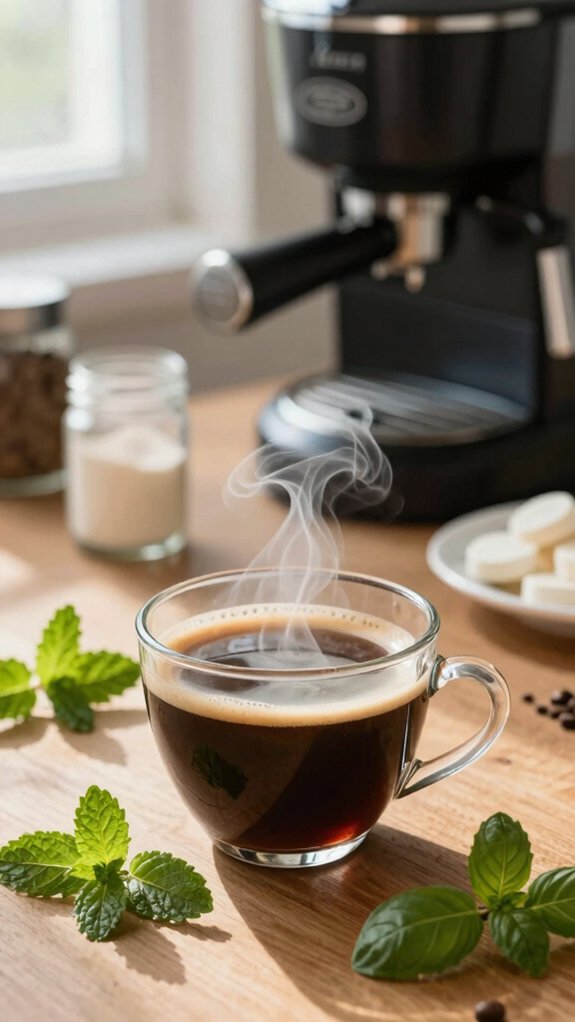
Since you’re undergoing H. pylori treatment, I’d strongly recommend putting your coffee habit on pause for a bit, because drinking it can really interfere with your antibiotics and irritate your healing stomach.
The caffeine stimulates more stomach acid, causing gastric irritation and digestive discomfort when you need calm.
Aggravates Healing: Coffee increases stomach acid production, irritating your already sensitive stomach lining.
Reduces Efficacy: It may interfere with how well your antibiotics work to eradicate the H. pylori infection.
Elevates Discomfort: This can worsen symptoms like burning or nausea during treatment.
Consult Your Provider: Always discuss your dietary habits, including coffee, with your healthcare provider for personalized advice.
Temporary Pause: Think of it as a short break to optimize your treatment outcome and feel better faster.
Best coffee choices and safer alternatives

If you’re managing H. pylori and still want to enjoy coffee, picking the right type can make a real difference for your stomach.
Since studies link high consumption to increased risk, I always suggest opting for low-acid options like cold brew, which is gentler on your stomach lining.
Choosing decaffeinated coffee can also reduce caffeine-induced irritation.
For safer alternatives, consider swapping your cup for herbal teas like ginger or chamomile; they can actually support digestion.
Roasted barley or chicory are fantastic non-caffeinated brews that give you that comforting, coffee-like flavor without the drawbacks.
Making these mindful choices lets you enjoy your ritual while being kind to your gut.
When to skip coffee and seek care
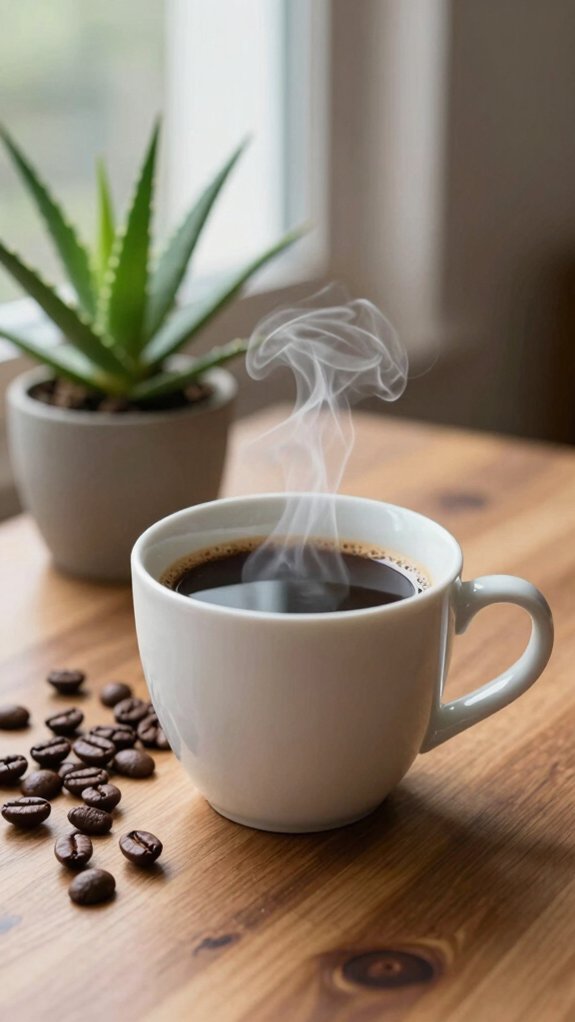
Even though I love coffee, I know there are times when putting the mug down is the wisest choice for your stomach, especially if you’re worried about H. pylori.
Listen to your body. Persistent symptoms after drinking coffee are your cue to pause and potentially call your healthcare provider.
Persistent stomach pain after meals, worsened by coffee.
New or worsening nausea, bloating, or excessive burping.
Noticing dark stools or unexplained weight loss.
Symptoms that linger despite dietary changes.
Having a family history of stomach issues, which increases your risk.
If you recognize these signs, seek medical attention. A quick test can check for H. pylori, providing clarity and guiding your care, and your future coffee habits.
How to make low-acid cold brew
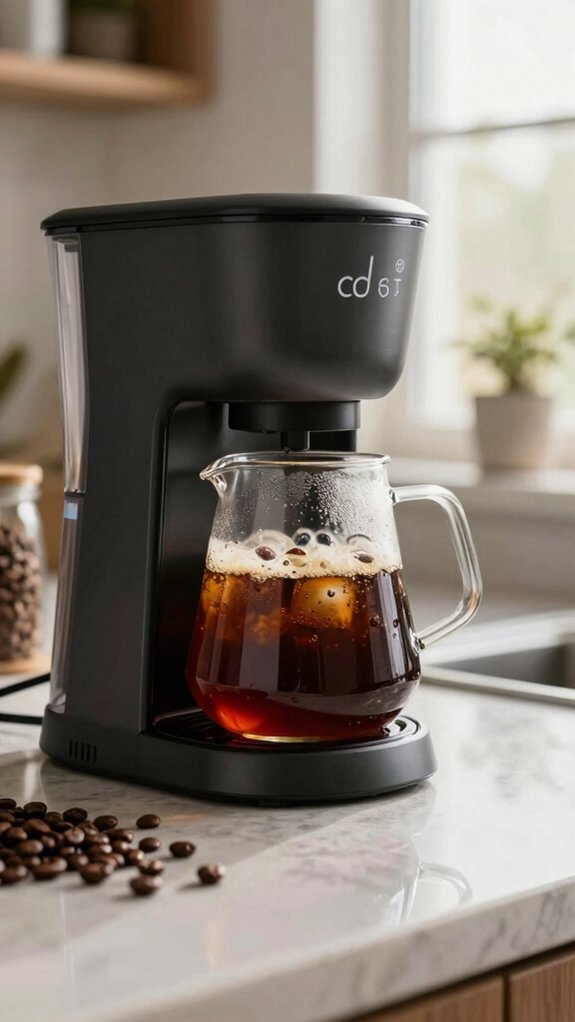
To make a low-acid cold brew at home, I focus on three simple things: the ingredients, the equipment, and the steps.
I start with a coarse grind and cold water, using a 1:4 coffee-to-water ratio which research shows minimizes acid extraction.
Then, I’ll walk you through the straightforward process so you can enjoy a smoother cup that’s easier on your stomach.
Ingredients
Crafting a low-acid cold brew at home is wonderfully simple, and it all starts with choosing the right ingredients.
The right components minimize acidity, which is crucial since high stomach acidity from regular coffee can exacerbate symptoms for those managing conditions like H. pylori or ulcers.
My method prioritizes a gentler sip for sensitive gastrointestinal systems. Here’s your essential list:
Coarsely Ground Coffee Beans: This key choice extracts fewer acidic compounds compared to fine grinds.
Cold or Room-Temperature Water: Using cool water is fundamental for a smooth, low-acid brew.
A 1:4 or 1:5 Coffee-to-Water Ratio: This concentrate balances strength and flavor without sharpness.
A Fine Mesh Sieve or Filter: For straining to achieve a silky, sediment-free texture.
Optional Dilution with Water or Milk: This final step lets you customize acidity and strength to your safe, comfortable level.
Equipment
Now that you’ve got your ingredients ready, let’s talk about the gear you’ll need to make your low-acid cold brew.
You’ll need a coarse grinder for your beans, as fine grounds can over-extract and increase acidity.
Any large jar works for steeping, but I recommend one with a tight seal.
For filtration, a fine-mesh sieve lined with a cheesecloth or a dedicated cold brew maker is essential to remove all sediment, which can irritate a sensitive stomach.
Finally, have a serving pitcher and ice ready.
Straining well creates a smooth beverage that’s easier on your digestive tract.
Following these simple serving suggestions helps minimize potential symptoms so you can enjoy your coffee comfortably.
Instructions
- Grind: Coarsely grind quality coffee beans; a coarse texture is key for low-acidity extraction.
- Mix: Combine 1 part grounds with 4 parts cold water in your jar.
- Steep: Refrigerate for 12-24 hours; this slow steep avoids bitter acids.
- Strain: Use a fine filter to remove all grounds, ensuring a clean cold brew.
- Serve: Dilute over ice with water or milk.
This gentle coffee can be kinder on your stomach and ulcers.
Frequently Asked Questions
Does Coffee Irritate H. Pylori?
Yes, coffee can irritate an existing H. pylori infection because it stimulates stomach acid, which can worsen symptoms like discomfort. This is especially true if one drinks more than three cups a day.
What Foods Cause H. Pylori Infection?
I’ve learned that foods themselves don’t cause the infection; it’s more about how they’re handled.
Unwashed produce or meals prepared with contaminated water can be a hidden gateway for the bacteria to enter.
How to Treat H. Pylori During Pregnancy?
I’d consult my doctor immediately for a safe treatment plan.
They’d likely avoid certain antibiotics and use caution with some acid reducers, while prioritizing dietary changes to manage my symptoms during pregnancy.
What Triggers H. Pylori Infection?
I believe H. pylori infection is triggered when the bacteria enters my stomach, often from contaminated food or water, or through close contact with an infected person’s saliva or other bodily fluids.
In Conclusion
No, coffee doesn’t cause H. pylori, but its acidity can turn your stomach into a war zone if you’re infected.
I’d advise cutting back during treatment and choosing a smoother, low-acid brew. Your gut will thank you a million times over, letting you savor your cup without the battle.
Always chat with your doctor to craft the perfect plan for your health and your coffee ritual.