
According to the FDA, foodborne illnesses affect approximately 48 million Americans each year, with contaminated beverages accounting for a surprising portion of these cases. While most people worry about undercooked meat or unwashed produce, few consider whether their daily coffee could be making them sick. Can coffee cause food poisoning? The answer is more nuanced than you might think-and the contamination risks often hide in plain sight.
In this post, you’ll discover the real risks associated with coffee consumption, from bacterial contamination in brewing equipment to dangerous additives that can turn your morning ritual into a health hazard. We’ll explore the science behind coffee-related illness, identify the most common contamination sources, and provide practical prevention strategies to keep your coffee safe. Whether you brew at home or grab your cup from a local café, understanding these risks could protect you from an unpleasant-and potentially dangerous-experience.
Table of Contents
Can coffee really cause food poisoning?
While it might sound surprising, coffee can potentially cause food poisoning, but not in the way you might expect. The real risk isn’t from the brewed coffee itself, but from contamination during preparation or storage.
Hot-brewed coffee typically kills most pathogens, making it relatively safe. However, cold brew and room-temperature coffee can harbor bacteria like Salmonella and E. coli if not handled properly.
The most common culprits are actually contaminated add-ins like old milk, dirty coffee equipment, or improperly stored beans. Grasping these risks helps you enjoy your daily brew safely.
Biggest contamination risks in your coffee

Let’s dive into the top contamination risks that could turn your beloved coffee from a morning delight into a potential health hazard.
Old or improperly stored dairy/creamers are the primary culprit, with spoiled milk creating a breeding ground for harmful bacteria.
Unclean machines and tubing can harbor dangerous biofilms, potentially contaminating every brew.
Cold-brew and refrigerated coffee are particularly risky, as low temperatures and lack of heat don’t kill persistent pathogens like B. cereus.
Add-ins such as flavored syrups and packaged toppings can also introduce unexpected contamination if not stored correctly.
Do dirty coffee makers make you sick
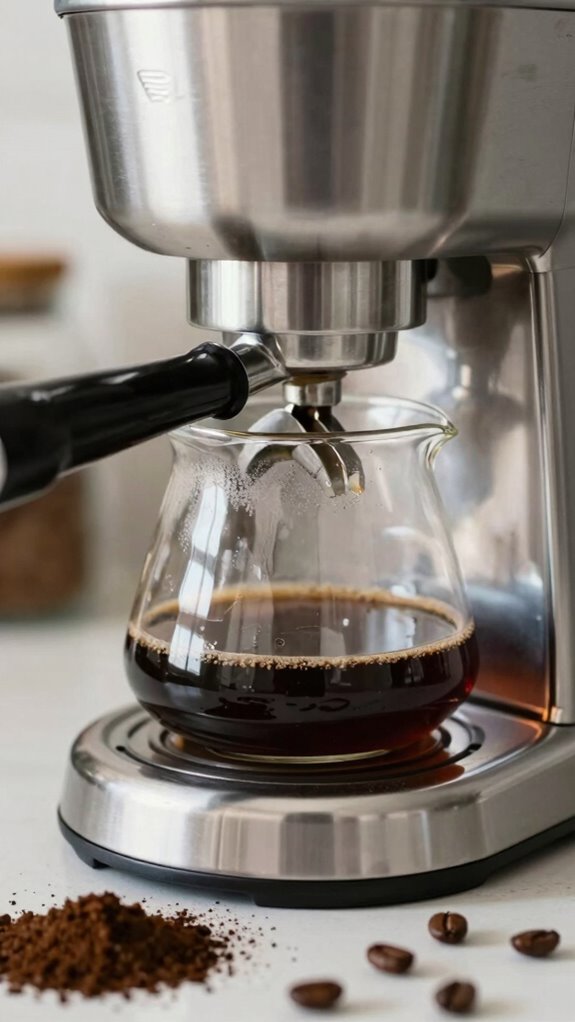
Dirty coffee makers can absolutely make you sick, transforming your morning caffeine ritual into a potential health risk.
Unclean coffee machines become breeding grounds for bacteria like Bacillus and mold, which can cause serious foodborne illness. When you don’t descale and sanitize your equipment regularly, moisture and residue create perfect environments for microbial growth.
Coffee equipment-from group heads to steam wands-needs routine cleaning to prevent contamination. Cold-brew systems and dairy pitchers are especially vulnerable, potentially harboring pathogens that survive for weeks.
Daily cleaning and proper storage aren’t just recommendations; they’re essential safeguards for your health and brewing quality.
How long can brewed coffee sit out
How long can your freshly brewed coffee safely sit out before becoming a potential health hazard?
If you’ve brewed at home, know that coffee left at room temperature enters the dangerous “danger zone” after 2 hours. Bacteria multiply rapidly between 40°F–140°F, turning your delicious brew into a potential health risk.
Want to keep your coffee safe? Here’s what to do:
- Consume within 2 hours
- Keep above 140°F in a thermal carafe
- Refrigerate leftovers promptly
- Discard coffee with dairy after 2 hours
Stay smart, stay safe, coffee lovers!
Cold brew and iced coffee safety

Because cold brew coffee offers a smooth, less acidic taste, many coffee enthusiasts love it-but safety matters just as much as flavor.
When it comes to cold brew food safety, proper handling is crucial. Always keep your coffee refrigerated below 40°F and consume within a few days to prevent bacterial growth.
Unclean equipment, contaminated water, or dirty hands can introduce pathogens like Bacillus cereus, which can survive in cold brew for over 9 days.
Use sanitized brewing tools, fresh ingredients, and pasteurized dairy. Avoid room temperature storage and unrefrigerated add-ins to minimize food poisoning risks and enjoy your cold brew safely.
Canned coffee safety and botulism risks
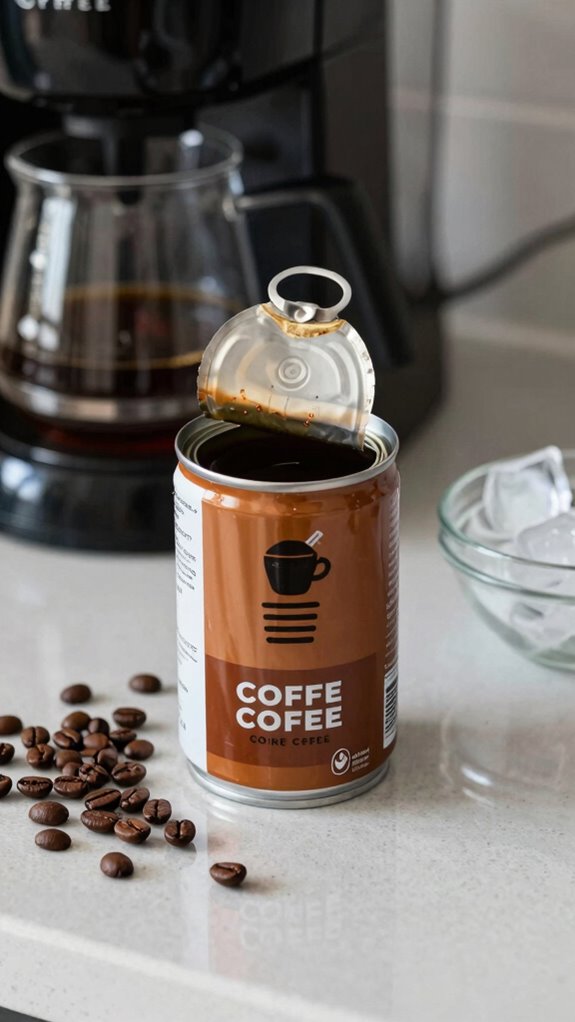
While canned coffee offers convenience and portability, it can harbor serious food safety risks, particularly from botulism-a potentially fatal foodborne illness caused by improper processing. Clostridium botulinum thrives in low-acid, anaerobic environments like improperly sealed canned beverages, potentially producing dangerous toxins.
Recent FDA recalls highlight these risks, with Snapchill LLC’s canned coffee facing nationwide withdrawal due to potential contamination. Symptoms can emerge within hours or weeks, ranging from vision problems to respiratory failure.
To stay safe, always check product labels, verify recall lists, and immediately seek medical attention if you suspect exposure. Your health depends on vigilant food safety practices.
Feeling sick from coffee, what to do

Coffee enthusiasts might occasionally experience unexpected illness after enjoying their favorite brew, triggering immediate concerns about potential food safety risks. When you drink coffee and feel unwell, save the remaining beverage, container, or receipt to help investigators trace potential contamination.
Depending on symptoms, your response varies:
- Severe neurological symptoms (double vision, breathing difficulties): Seek immediate medical attention
- Mild gastrointestinal issues: Stay hydrated
- Persistent symptoms beyond 48 hours: Contact healthcare provider
Always report suspected foodborne illness to local health departments, preserving evidence for potential investigations.
Frequently Asked Questions
Can Coffee Give You Food Poisoning?
Yes, coffee can give you food poisoning if it’s contaminated by bacteria, mold, or toxins, especially through dairy add-ins, unclean equipment, or improper storage. However, proper handling and hygiene significantly reduce these risks.
What Is the Fastest Way to Flush Out Food Poisoning?
I’ll hydrate with oral rehydration solutions, sipping 50-100 mL every 15 minutes. I’ll gradually introduce bland foods like bananas and toast. If symptoms worsen or persist, I’ll seek medical help for professional IV fluid treatment.
What Are the Symptoms of Coffee Sickness?
I’ll experience symptoms like weakness, dizziness, dry mouth, abdominal pain, nausea, and potential neurological signs such as double vision or slurred speech, depending on the type and severity of contamination in the coffee.
What Are the First Signs of Food Poisoning?
I’ll feel intense nausea, abdominal cramps, and sudden vomiting within hours of consuming contaminated food. My body might also experience diarrhea, weakness, and dizziness, signaling a potential foodborne illness that needs quick attention.
In Conclusion
Bottom line: Can coffee cause food poisoning? Yes, but it’s rare if you’re careful. Don’t let contamination risks rain on your caffeine parade. Clean your coffee maker regularly, use fresh ingredients, and store brews properly. When in doubt, toss it out.
Whether you’re a cold brew fanatic or espresso enthusiast, a little prevention goes a long way. Stay informed, stay safe, and keep enjoying your favorite brew without worry. If you’re looking to upgrade to a machine that’s easier to keep clean and maintain, check out our coffee machine reviews to explore smart, well-reviewed options that make food safety even simpler.