
Can coffee actually affect your lungs? Yes, it’s not just a morning pick-me-up. That caffeine jolt can gently open your airways, boosting airflow within an hour, studies show. I’ve felt it myself: a smoother breath after my first cup.
But it’s not all clear skies, especially if you’re prone to reflux or jittery nerves. And what if you have asthma or need a lung test soon? The timing changes everything.
Table of Contents
Can coffee affect your lungs, really?
Turns out, your morning cup of coffee might do more than just wake you up, it can actually nudge your lungs into working a little better. That’s thanks to caffeine, a mild bronchodilator that can boost lung function by improving FEV1 by up to 5% (some studies show 12–18%) for 2–4 hours.
While this makes caffeine a helpful player, it’s no substitute for prescribed asthma meds, it’s slower and milder.
Regular caffeine consumption may link to fewer asthma symptoms (one study noted 29%), but evidence isn’t solid yet. Watch for side effects like jitters or rapid heartbeat. And heads up: skip coffee 4 hours before lung function testing, it could skew results.
Coffee’s short-term effects on your breathing
Sometimes, that first sip of coffee does more than just shake off the morning fog, it actually helps you breathe a little easier, at least for a few hours. That’s thanks to caffeine, a mild bronchodilator that can modestly boost lung function. Studies show coffee may improve FEV1 (a key asthma measure) by 5%, sometimes up to 12–18%.
These respiratory benefits kick in within 1–2 hours and last up to four hours. While not a substitute for prescribed asthma treatments, coffee offers mild improvements in airflow. Just remember: if you’re getting lung testing, skip coffee for at least four hours, it could skew results.
When to skip coffee before lung tests
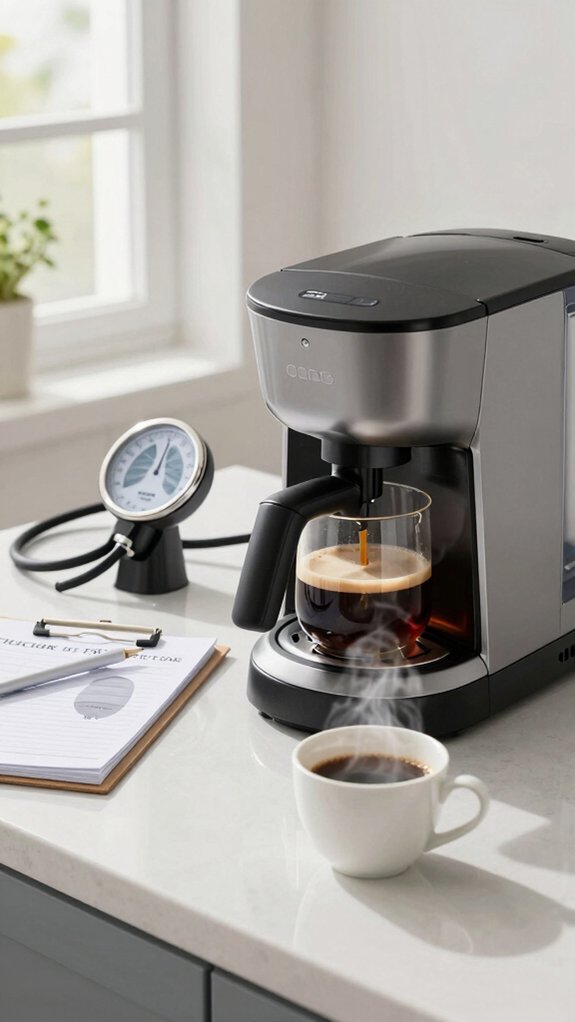
If you’re planning to get your lung function tested, I’d skip the morning coffee, at least for the four hours leading up to the test. Caffeine acts as a mild bronchodilator, which can temporarily improve your spirometry results, especially FEV1, by about 5% on average (some studies show up to 18%). That boost might mask true airway issues, like asthma, making it harder to get an accurate diagnosis.
Even small coffee consumption counts, tea, soda, or chocolate too. Clinics often ask about recent caffeine because it affects lung function readings. For reliable results, avoid caffeine for at least 4 hours and always tell your clinician what you’ve had. Your honest report helps ensure smarter, safer decisions.
Asthma, COPD, and your daily coffee
Sipping your morning brew? If you have asthma or COPD, your coffee’s caffeine might gently act as a bronchodilator, chemically similar to theophylline, boosting FEV1 by ~5% for 2–4 hours.
While one study linked daily coffee to 29% fewer asthma symptoms, it’s no substitute for short‑acting relief during flare-ups. For COPD, evidence is mixed; caffeine may interfere with meds or worsen mucus if dehydrating. Always talk to your clinician.
| Condition | Effect of Caffeine | Caution |
|---|---|---|
| Asthma | Mild FEV1 boost | Not emergency relief |
| COPD | Uncertain benefit | May hinder mucus clearance |
| Testing | Improves spirometry | Skip coffee 4h before |
| Daily use | Possible symptom reduction | Don’t replace inhalers |
| Mechanism | Weak bronchodilator (like theophylline) | Temporary effect |
Coffee, reflux, cough, and mucus myths
While that rich, aromatic cup of coffee kicks your morning into gear, it might also be stirring up trouble if you’re prone to heartburn or a nagging cough.
Coffee, Reflux, and Your Cough
Coffee can trigger acid reflux by relaxing the lower esophageal sphincter, letting stomach acid creep up. That’s a classic GERD move, and a sneaky cough trigger.
Acid irritates your throat, causing throat irritation and a chronic cough. Over time, this reflux can create a mucus-like sensation (though coffee doesn’t make actual airway mucus).
If coffee worsens your cough or reflux, try cutting back, skipping creamy add-ins, and staying upright for 2–3 hours after sipping.
Does coffee raise lung cancer risk?
No, drinking coffee doesn’t raise your risk of lung cancer, that’s great news for the millions of us who rely on our daily brew.
Large epidemiological studies show no clear link between coffee and lung cancer once you account for smoking, the biggest risk factor. Earlier reports suggesting a connection suffered from confounding, smokers drank more coffee, skewing results.
When researchers adjust for smoking, the risk disappears.
Meta-analyses confirm: moderate consumption (3–4 cups/day) poses no added threat, even for nonsmokers.
How to brew lung-friendly coffee at home
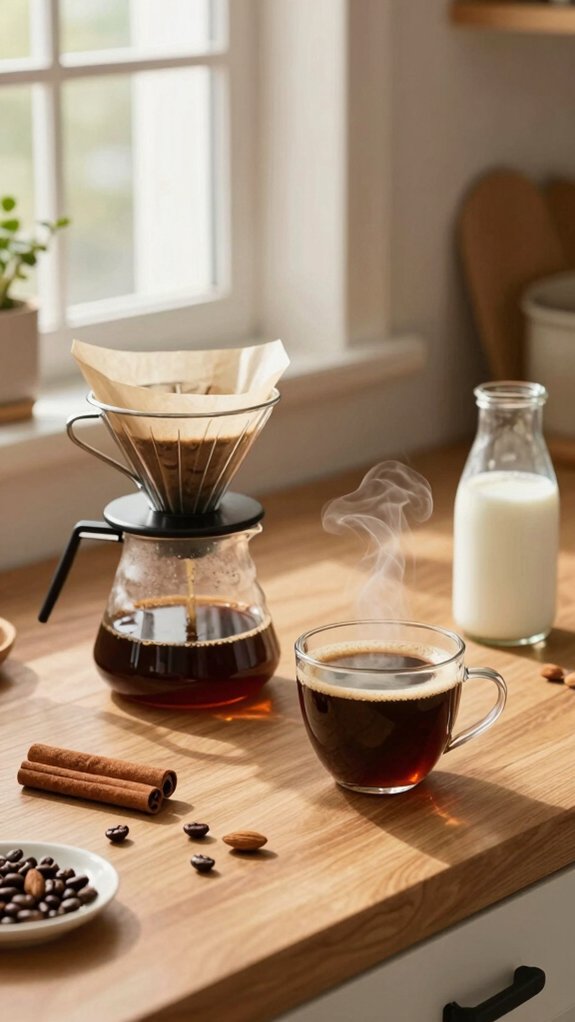
I’ve found the best way to enjoy coffee without irritating your lungs starts with a few smart choices in your brew.
Let’s walk through the simple steps using the right ingredients, equipment, and method to make a smoother, lung‑friendly cup at home.
You’ll get the boost you love, without the drawbacks.
Ingredients
Since your morning cup could influence how easily you breathe, especially if asthma or acid reflux are concerns, the way you brew matters just as much as the beans you choose.
Pick the Right Beans & Caffeine Level
I look for low-acid coffee to reduce reflux, a common asthma trigger. Light-to-medium roasts are gentler on my stomach.
If I want a bronchodilator-like boost, I stick with regular coffee, about 95 mg caffeine per cup can improve airways function for up to 4 hours. Decaf (<15 mg) won’t help much here.
Skip the Triggers
I avoid sugar and heavy creamers, studies link high‑fat diets to worse respiratory symptoms. Instead, I use oat or almond milk. This simple tweak supports better asthma control.
Equipment
Your coffee setup at home can make a real difference in how smoothly you breathe, especially if you’re managing asthma or acid reflux.
Choose the Right Filter
Use a paper filter when brewing, studies show it removes cafestol, an oily compound that may raise cholesterol and indirectly irritate your airways.
Mind Your Brewing Method
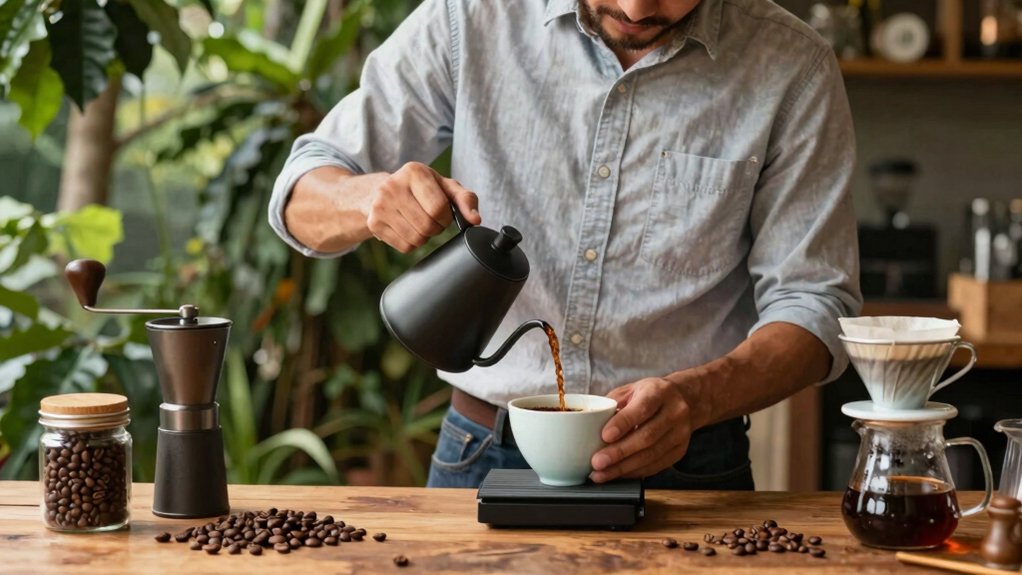
Brew at 92–96°C with a 1:15–1:17 coffee-to-water ratio for balanced flavor, reducing the need for creamers that worsen reflux.
Lower Caffeine, Happier Lungs
If GERD flares up, try decaffeinated beans. Cold-brew them for 12–24 hours to cut acidity and soothe sensitive airways.
Instructions
While you might reach for coffee just to wake up, brewing it the right way can actually support your lung health, especially if you’re watching for asthma or reflux triggers.
For a mild bronchodilator effect, choose regular coffee: caffeine can boost FEV1 by ~5% for 2–4 hours. Decaf won’t cut it with less than 15 mg caffeine.
Brew with water at 92–96 °C using drip or pour‑over, this minimizes acidity that could worsen GERD. Skip sugary syrups and heavy creamers; they contribute to weight gain and poor asthma control.
Always pair coffee consumption with water, stay hydrated to counter caffeine’s diuretic effect and keep mucus thin.
If prepping for spirometry or sensitive to stimulants, limit intake to under 400 mg caffeine daily and avoid coffee 4 hours prior. Consult your clinician to avoid adverse effects.
Frequently Asked Questions
Is Coffee Good for Clearing Lungs?
Yes, coffee can help clear my lungs a bit, thanks to caffeine’s mild bronchodilator effect, but I don’t rely on it. It’s not as effective as my inhaler, and I skip it before lung tests to avoid skewed results.
What Drink Is Good for Lung Repair?
Truth be told, no drink magically mends lungs, I’ve found that sipping plain water throughout the day quietly supports healing by keeping airways clear and mucus in check, which is a small yet meaningful step toward stronger breath.
In Conclusion
Yes, coffee can definitely affect your lungs, usually in small, temporary ways. Think of caffeine as giving your airways a gentle stretch, like a yawn for your lungs. Just one cup may boost airflow for a few hours, about a 5–15% FEV1 bump, per some studies, but don’t ditch your inhaler.
If you’ve got reflux or anxiety, coffee might stir things up. For lung tests, skip it beforehand. Choose low-acid, smooth roasts to go easy on your throat. Sip mindfully, not constantly, your lungs will thank you.