
According to a 2020 study published in the American Journal of Clinical Nutrition, caffeine consumption can increase metabolic rate by 3-11%, with larger doses showing more pronounced effects on fat oxidation. Yet despite coffee being one of the world’s most consumed beverages-with Americans drinking an estimated 400 million cups daily-many people still wonder: can black coffee actually reduce belly fat?
The short answer is that black coffee alone won’t target belly fat specifically, but it can support your weight loss efforts when combined with a healthy lifestyle. In this post, we’ll examine the scientific evidence behind coffee’s metabolic effects, explore optimal timing for consumption, discuss potential risks, and reveal how to strategically incorporate black coffee into a comprehensive approach to reducing stubborn abdominal fat.
Table of Contents
Can black coffee reduce belly fat
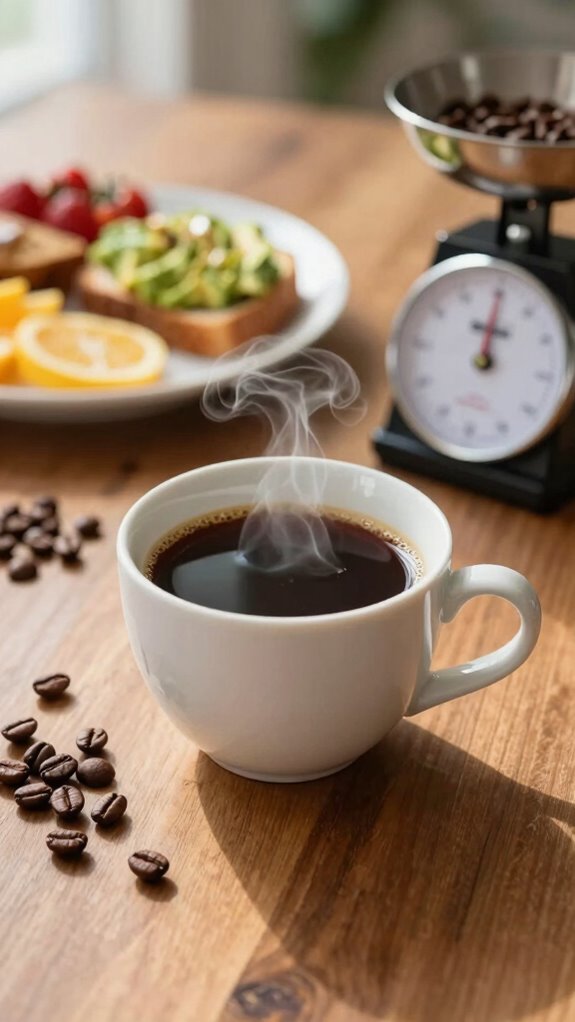
While black coffee might seem like a magical weight loss elixir, the reality of its impact on belly fat is more nuanced.
Plain brewed coffee can modestly boost metabolic rate and fat oxidation, but it won’t specifically target visceral fat. Caffeine may increase whole-body fat utilization, yet scientific evidence doesn’t support direct belly fat reduction.
Any metabolic benefits diminish with caffeine tolerance, and sustainable weight loss depends on overall calorie deficit, diet quality, and exercise. Black coffee can support weight management by reducing calorie intake when replacing sugary drinks, but it’s not a magic solution for melting abdominal fat.
Evidence on coffee and fat loss
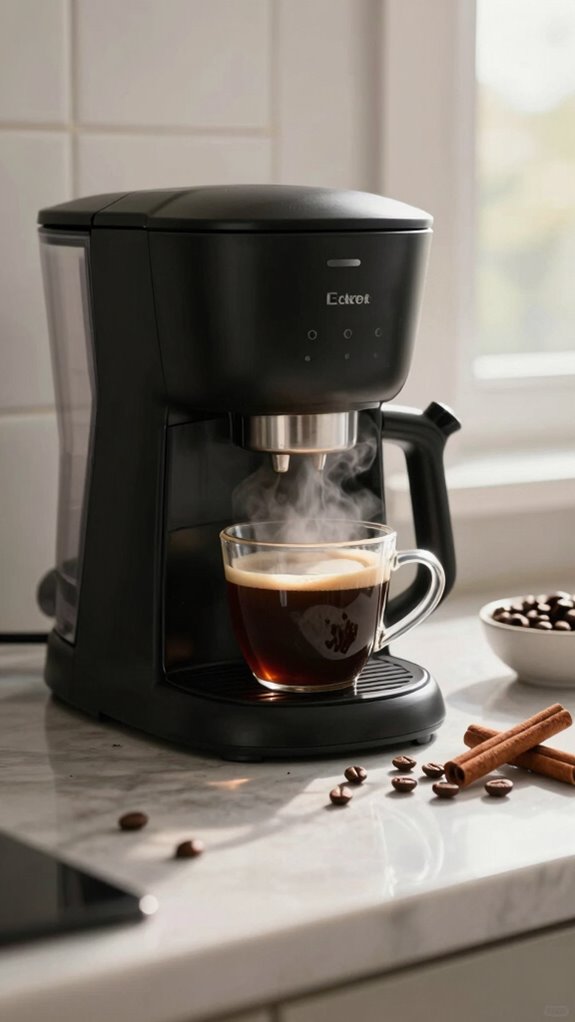
Scientific research offers compelling insights into coffee’s potential role in fat loss, moving beyond mere speculation.
Randomized trials and meta-analyses reveal promising connections between black coffee and body composition:
- Caffeine increases resting metabolic rate and fat oxidation
- Dose-response studies show modest weight loss potential
- Short-term fat reduction averages around 22-28% across trials
- Fat loss benefits require consistent consumption and lifestyle integration
While black coffee can support belly fat reduction, it’s not a magic solution.
Meaningful weight loss demands calorie deficit, regular exercise, and sustainable habits.
Caffeine’s effects diminish with tolerance, so don’t expect miraculous transformations from your morning brew alone.
Coffee belly fat and visceral fat
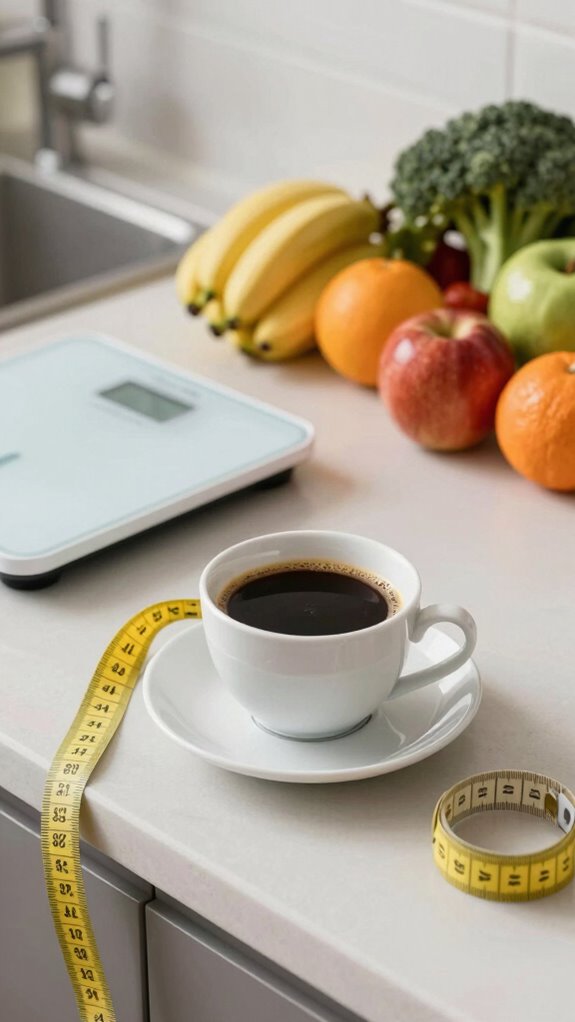
The metabolic mystery of belly fat reduction through coffee isn’t as straightforward as many hope. While black coffee can boost fat oxidation and metabolic rate, it doesn’t specifically target visceral fat.
Caffeine modestly increases energy expenditure and might enhance exercise performance, potentially supporting weight loss indirectly. However, scientific evidence doesn’t confirm coffee selectively reduces belly fat.
The benefits are systemic-affecting overall body composition rather than spot-reducing abdominal fat. For those seeking weight management, coffee can be a supportive tool when combined with balanced nutrition and regular exercise, with safe caffeine intake around 400 mg daily.
When to drink coffee for fat loss
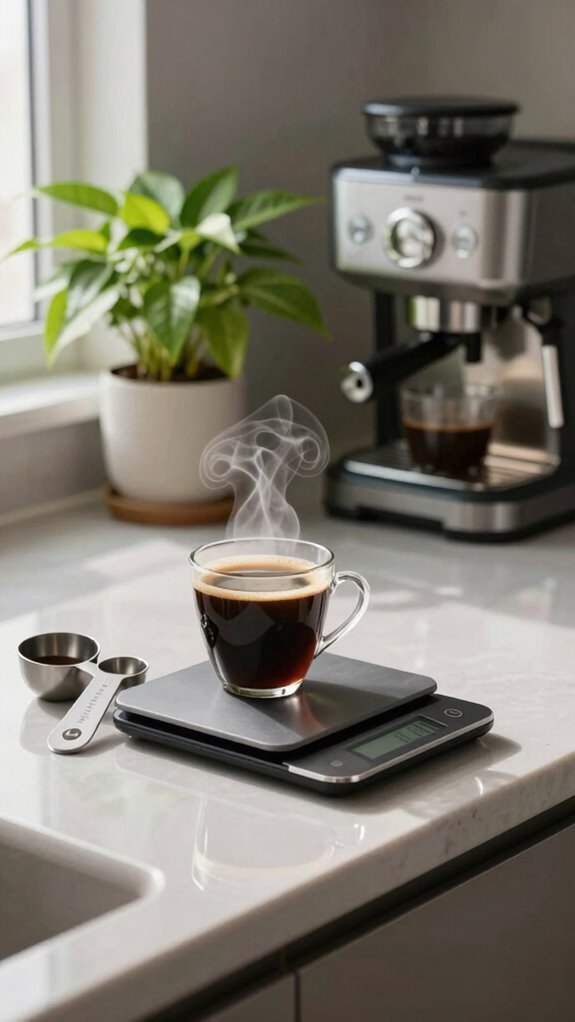
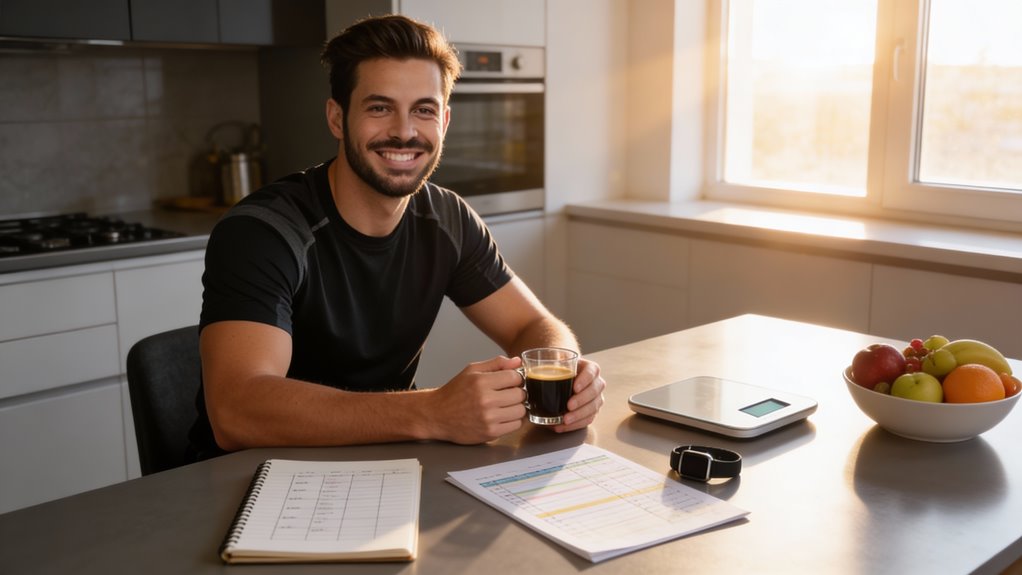
Timing your coffee intake can dramatically optimize fat loss efforts, transforming your daily brew into a strategic metabolic tool. When targeting belly fat, strategic black coffee consumption becomes key. Here’s how to leverage pre-exercise caffeine for maximum fat oxidation:
- Drink 1 cup 30–60 minutes before exercise to boost fat burning
- Stay within 400 mg caffeine daily (roughly 4 cups)
- Prioritize morning and early afternoon consumption
- Use plain black coffee during intermittent fasting for appetite suppression
Individual tolerance matters, so start low and adjust. Avoid late-day caffeine to prevent sleep disruption, which can counteract fat loss goals.
How much black coffee is safe daily
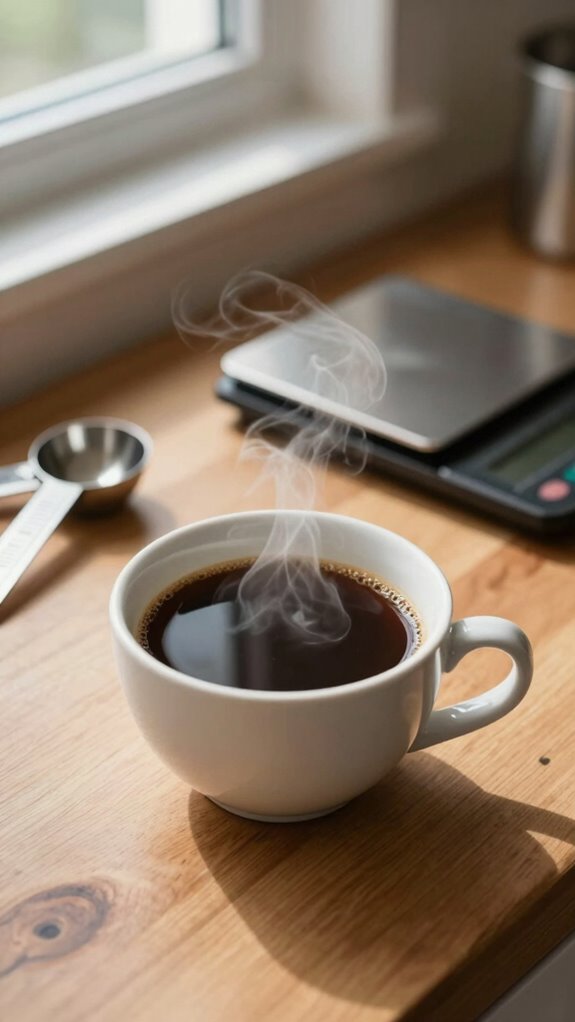
After strategically timing your coffee for fat-burning workouts, you’ll want to understand how much black coffee won’t compromise your health. Most healthy adults can safely consume up to 400 mg of caffeine daily-roughly four 8-ounce cups.
| Daily Intake | Caffeine Limit | Health Considerations |
|---|---|---|
| 1-2 cups | Safe | Normal tolerance |
| 3-4 cups | Caution | Monitor effects |
| 5+ cups | Risky | High risk of side effects |
Individual caffeine tolerance varies. Pregnant individuals should limit intake to 200 mg, while those with cardiac arrhythmias, anxiety, or digestive sensitivity might need less. Always track caffeine from all sources and avoid consuming it 6-8 hours before bedtime to protect sleep quality.
Side effects and who should avoid coffee
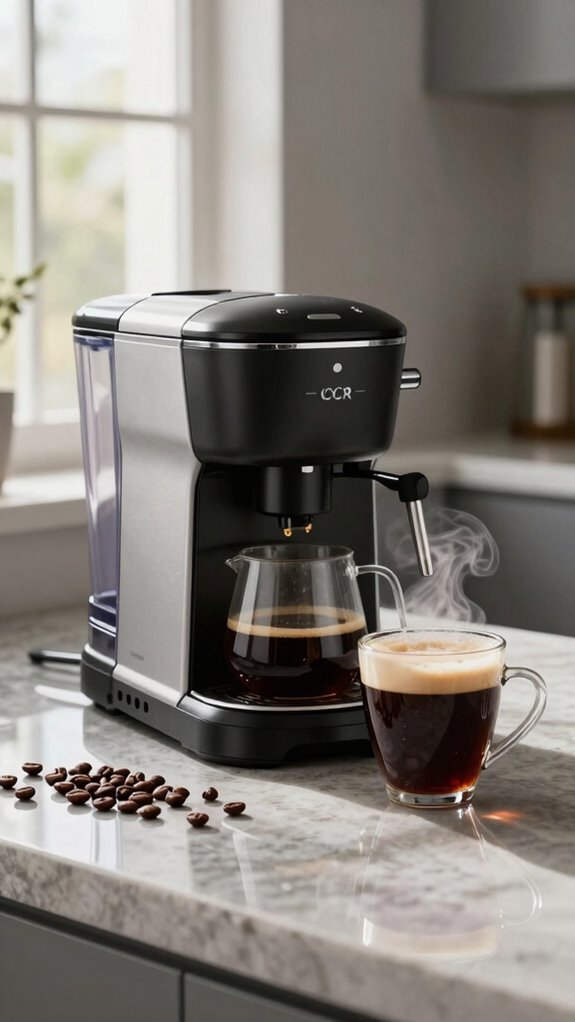
While most people can enjoy coffee without issues, certain individuals should approach caffeine consumption with caution or avoid it altogether.
Caffeine side effects can significantly impact health and well-being.
Key groups who should be careful with coffee include:
- People with uncontrolled hypertension or heart rhythm disorders
- Those experiencing anxiety, jitters, or insomnia
- Individuals with Gastroesophageal reflux (GERD)
- Pregnant women (limited to 200 mg daily)
Potential risks involve increased heart rate, drug interactions, and caffeine withdrawal symptoms.
Always consult your healthcare provider if you’re concerned about how coffee might affect your specific health conditions.
How to brew fat loss black coffee
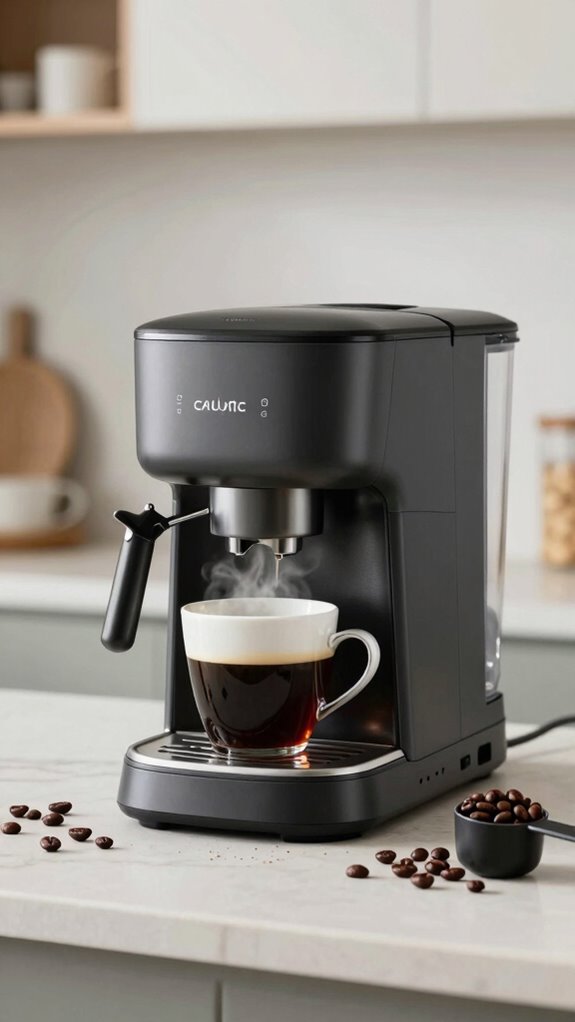
To brew black coffee optimized for fat loss, you’ll need quality medium-ground coffee, precise measurements, and the right brewing method to maximize metabolic benefits.
I recommend using a digital scale, burr grinder, and pour-over or drip method to extract the ideal caffeine and chlorogenic acid profile that supports your metabolic goals.
The key is starting with fresh beans, using the right coffee-to-water ratio (8–12 grams per 180–240 ml), and brewing plain black coffee without added calories that could undermine your fat-burning potential.
Ingredients
The magic of fat-burning black coffee begins with selecting the right ingredients and brewing technique. Your goal is maximizing fat oxidation through strategic coffee preparation:
- Use high-quality, freshly ground coffee beans
- Select calorie-free black coffee with robust chlorogenic acid content
- Measure 10-12g ground coffee per 6-8 oz water for optimal strength
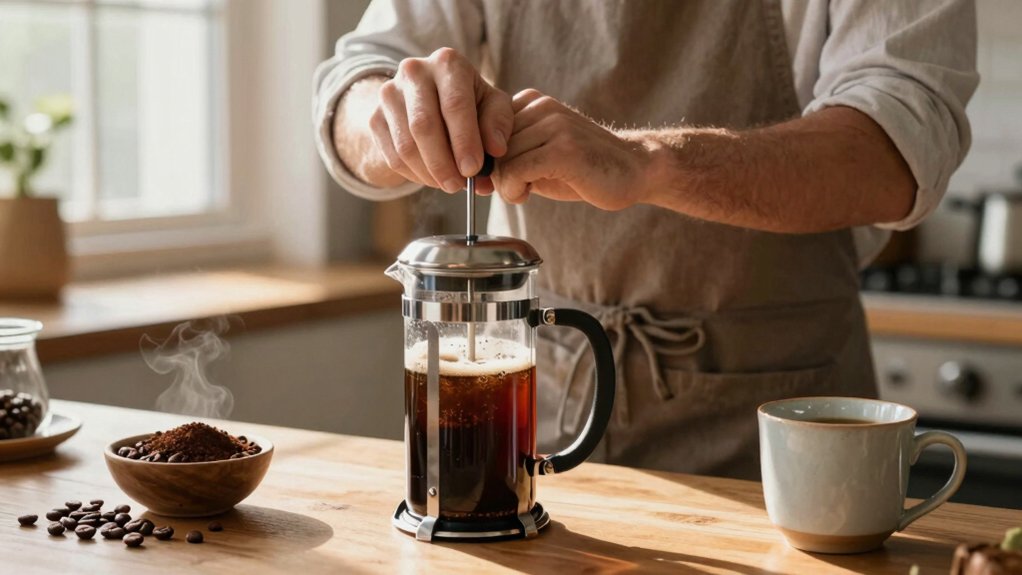
- Choose brewing methods like drip, pour-over, or French press
Pre-exercise timing matters most-drink your black coffee 30-60 minutes before working out.
Caffeine’s metabolic benefits shine when you’re strategic about serving size, brew method, and consumption window. Green coffee bean extract can also support weight management goals.
Equipment
Since fat-burning black coffee requires precise brewing, I’ll walk you through the essential equipment that’ll transform your morning cup into a metabolism-boosting powerhouse.
A reliable drip coffee maker, French press, or pour-over method paired with a digital scale ensures brew consistency.
Choose a thermometer to nail water temperature between 90–96°C, and aim for a 1:15–1:17 coffee-to-water ratio.
Medium-grind light roast Arabica beans maximize potential benefits.
An insulated mug helps maintain temperature and flavor, keeping your fat-burning beverage at optimal drinking condition while supporting your metabolic goals.
Instructions
When brewing black coffee for fat loss, precision matters more than you might think. Your goal is maximizing fat oxidation through strategic caffeine consumption without excess calories. Here’s how to nail your black coffee approach:
- Use 95°C water with medium grind for balanced extraction
- Target 80-200 mg caffeine per serving
- Consume 30-60 minutes pre-exercise for optimal performance
- Keep coffee calorie-free to support belly fat reduction
Monitor side effects like heart rate and sleep disruption. Adjust timing and portion size to maintain caffeine’s metabolic benefits while preventing potential negative interactions with your body’s natural rhythms.
Frequently Asked Questions
What Is the Best Time to Drink Black Coffee for Belly Fat?
I recommend drinking black coffee 30-60 minutes before your morning workout to maximize fat oxidation. This timing helps boost metabolism and potentially target belly fat while providing an energy boost for exercise.
What Are the Ingredients in the Coffee Hack to Lose Weight Tik?
I’ll share the typical TikTok coffee hack ingredients: black coffee, sometimes with a tablespoon of MCT or coconut oil, occasionally cinnamon or a splash of unsweetened milk, aimed at boosting metabolism and suppressing appetite.
Does Black Coffee Get Rid of Belly Fat?
Like a siren’s false promise, black coffee won’t magically melt belly fat. I’ll be straight: it slightly boosts metabolism, but you’ll need diet, exercise, and lifestyle changes to truly shed those stubborn inches.
What Happens When You Drink Black Coffee for 30 Days?
I’ll likely see modest metabolic changes, experience slight potential fat oxidation, and might notice a small calorie deficit if I replace high-calorie drinks with black coffee-but dramatic transformation isn’t guaranteed during my 30-day experiment.
In Conclusion
Black coffee isn’t a magic belly fat eraser, but it can subtly support weight loss when strategically consumed. So, can black coffee reduce belly fat? The answer is yes-but only as part of a broader strategy that includes regular exercise, balanced nutrition, and consistent healthy habits. Coffee’s metabolism-boosting and appetite-suppressing properties offer modest, temporary benefits that work best when you’re already moving toward your wellness goals.
If you’re serious about making black coffee part of your daily routine, brewing it fresh at home ensures you get the purest, most beneficial cup without added sugars or calories. Check out our coffee machine reviews to explore smart, well-reviewed options that fit your lifestyle and budget. With the right approach and tools, you’ll be well-equipped to enjoy your brew mindfully while working toward a healthier you. Cheers to informed sipping!