I’ve always found it fascinating that the world’s most controversial coffee starts its journey inside a civet’s digestive tract. Kopi luwak promises an unusually smooth, almost syrupy cup with muted acidity and hints of dark chocolate, yet you’re just as likely to sip a counterfeit blend or support cruel farming practices. I’ll walk you through what this coffee actually tastes like, why prices swing from $50 to $500 per bag, and how to brew it without wasting a single expensive gram, plus the hard truth about ethics and spotting fakes before you buy.
Table of Contents
What is kopi luwak really like?
How exactly does a coffee that’s literally passed through a civet’s digestive system end up in your cup, and more importantly, does it actually taste any good?
The Flavor Reality
Here’s what I’ve found: authentic Kopi Luwak delivers a remarkably smooth, low‑acidity cup with muted bitterness. The civet’s digestion essentially ferments the beans, altering their protein structure. Wild‑sourced batches often show more complexity than farmed alternatives.
The Quality Divide
However, I’ve cupped samples that tasted downright bland, earthy, thin, forgettable. The problem? Authenticity. With prices hitting $600 per kilogram, fraud runs rampant. Many “authentic” labels misrepresent sourcing entirely.
What Actually Matters
Your flavor experience depends on three factors:
- Genuine wild‑sourced processing (rare, expensive)
- Proper post‑collection cleaning and roasting
- Your own palate preferences
The ethics remain problematic regardless. Modern anaerobic fermentation now replicates that signature smoothness without animal involvement, something I’d recommend exploring first.
Kopi luwak origins and producing countries
- Sumatra (especially the Gayo Highlands) dominates production with earthy, full‑bodied cups
- Java’s Pangalengan Highlands yield cleaner, brighter profiles
- Bali’s central highlands contribute delicate, floral notes
- Sulawesi rounds out the quartet with spicy, complex brews
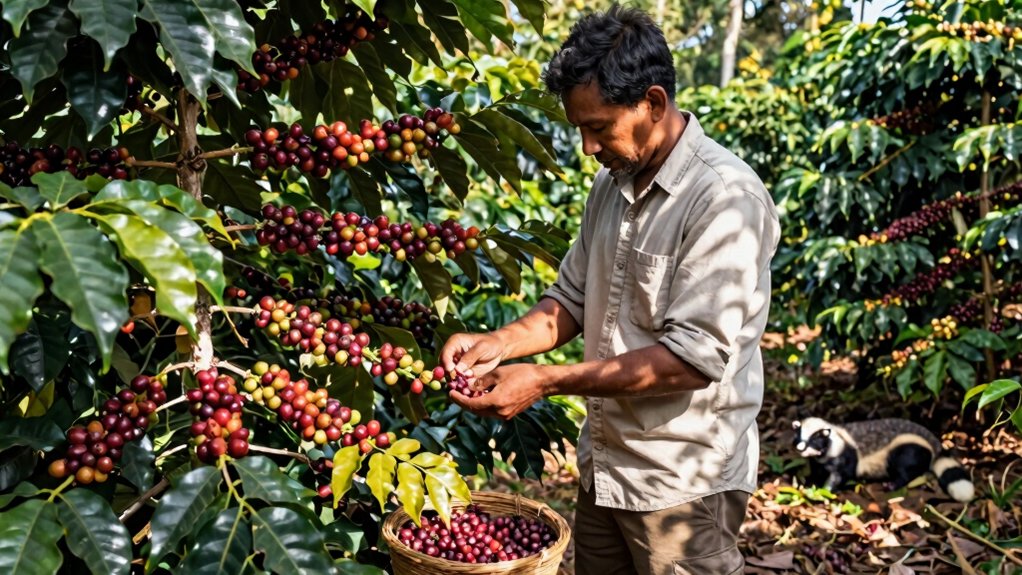
While producing countries now include the Philippines, Thailand, Vietnam, East Timor, and even Ethiopia, Indonesia remains the authentic heart of civet coffee. Tony Wild introduced it to Western markets in 1991, but the magic started centuries earlier in Indonesian soil.
How much does kopi luwak cost?

Kopi luwak sits firmly in the luxury coffee tier, with prices swinging wildly depending on how those beans were sourced and whether you’re buying green, roasted, or already brewed.
Breaking Down the Kopi Luwak Price
Wholesale green beans run $50–$100/kg, but that’s just the starting point. Farmed Kopi Luwak typically costs $50–$150 per 250 g-think $30–$50 for a cup in specialty shops.
Wild‑sourced beans? Now we’re talking $200–$500 per 250 g, with Harrods listing theirs around £500.
What You’ll Actually Pay
- Indonesian cafes: $5–$10 consumer cup price
- US/EU farmed cups: $30–$50
- Wild luxury experiences: $50–$100+
The Authenticity Factor
Here’s the catch: that “bargain” Kopi Luwak price often signals fake or caged production. I always look for certified wild collections with ethical sourcing transparency-vendors like Kaya Kopi prove luxury coffee can respect both your palate and the civets.
Kopi luwak taste, aroma, and mouthfeel
Most coffee lovers wonder whether kopi luwak’s steep price tag actually translates to a cup worth savoring. Let me walk you through what actually hits your palate.
The Kopi Luwak Taste Experience****
The digestive process creates something genuinely distinctive. During fermentation in the civet’s system, proteins break down, smoothing out bitterness and building that signature low-acidity body. I pick up chocolate notes and caramel notes immediately, followed by an earthy profile that reminds me of forest floor and cocoa.
What’s in Your Cup
- Aroma: Syrupy sweetness with subtle jungle undertones
- Mouthfeel: Unusually thick, almost velvety
- Aftertaste: Clean, pleasantly sweet
- Processing methods matter: Modern anaerobic techniques now replicate this profile without civet welfare concerns
Critics call some batches bland, and I’ve found variability huge-quality ranges from mid-80s SCA scores to forgettable. Source carefully.
How to brew kopi luwak at home
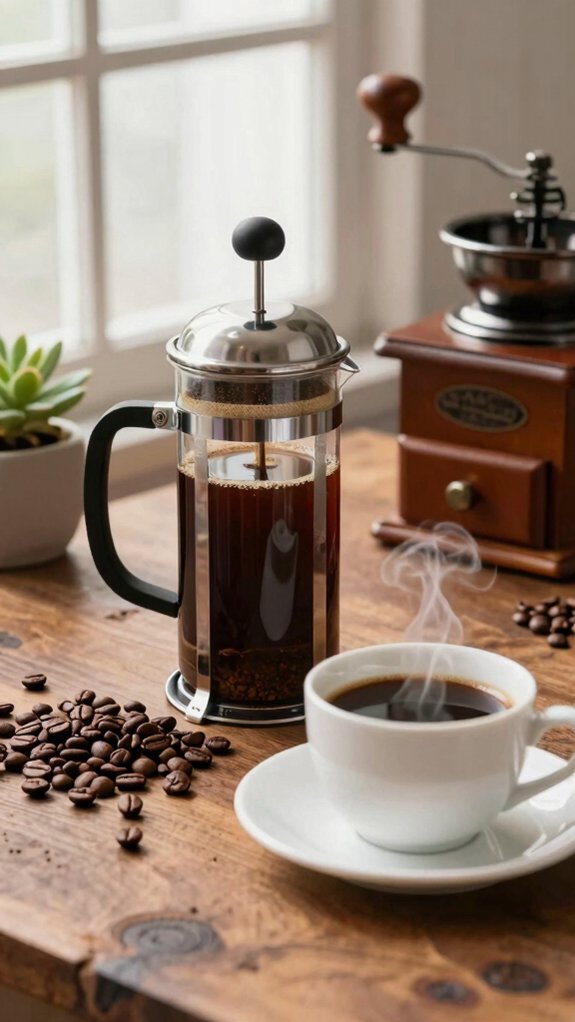
Here’s everything you’ll need to brew kopi luwak at home, from beans to gear to the actual pour.
I’ll walk you through the ingredients, the equipment worth investing in, and step-by-step instructions that respect this coffee’s delicate (and pricey) nature.
Let’s make sure you get your money’s worth in the cup.
Ingredients
Whether you’re splurging on a rare treat or testing your palate against the hype, brewing kopi luwak at home isn’t dramatically different from preparing any premium coffee, though a few careful choices will help you get the most from these pricey beans.
What You’ll Need
- Kopi Luwak beans: Prioritize beans quality and ethical sourcing-look for wild-sourced, transparently certified producers to avoid civet involvement concerns.
- Proper roasting: Ensure thorough roasting for safety/hygiene; it reduces pathogens while unlocking those chocolate-caramel notes.
- Grind size: Use a burr grinder right before brewing-medium-fine works best for most methods.
- Water temperature & brewing ratio: Heat water to 195–205°F and stick to 2 tablespoons per 6 ounces for balanced extraction.
That’s it. No fancy gear required-just respect for the process.
Equipment
How do you brew kopi luwak without wasting a single precious bean? I’ve found it’s all about having the right equipment.
The Essentials
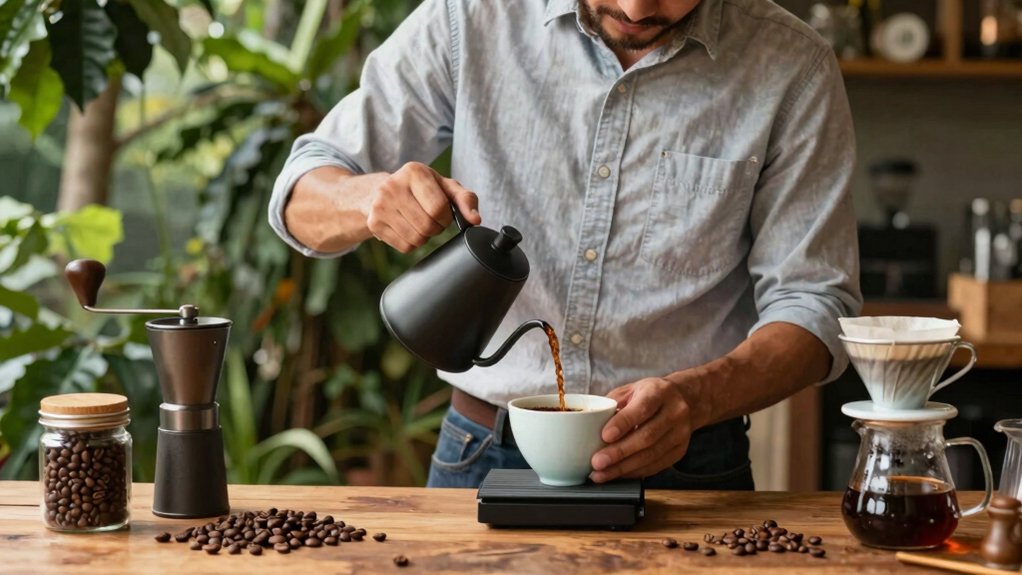
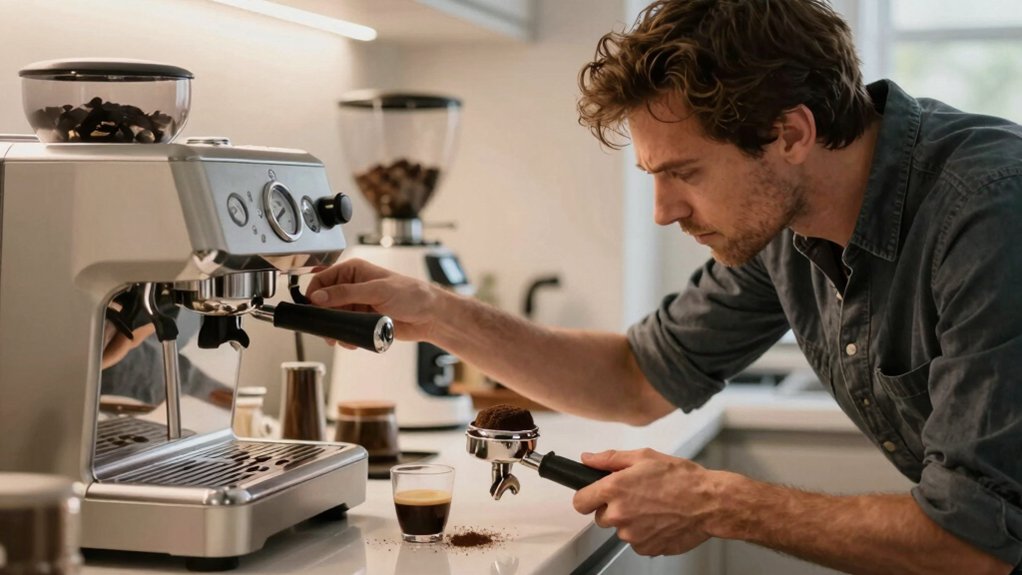
First, invest in a quality burr grinder. Blade grinders chop unevenly and ruin extraction; burrs give you consistent grind size that unlocks Kopi Luwak’s delicate aroma. I measure 2 tablespoons (10–12 grams) per 6 ounces of water-precision matters when you’re brewing something this special.
Temperature & Method
A simple kettle with temperature control keeps water at 195–205°F. Choose your brewing method carefully: pour-over or French press preserves those soft, earthy notes without the bitterness over-extraction brings.
Freshness First
I store beans in airtight containers away from light, grind immediately before brewing, and serve promptly. With ethical certifications verifying humane sourcing, every cup honors both flavor and values.
Instructions
What’s the secret to unlocking that velvety, chocolate-kissed cup at home? It’s all about respecting the bean’s journey-from sourcing transparency to your final pour.
My Brewing Routine
I start with authenticity: I only buy ethical Kopi Luwak with verifiable civet welfare standards. The roasting ethics matter deeply-proper heat eliminates pathogens while preserving those delicate aromatics.
Grind fresh with a burr grinder for even particle size
Heat water to 195–205°F; use 2 tablespoons per 6 ounces
Choose methods highlighting low acidity and chocolate notes.
Clean everything thoroughly for hygienic handling. These brewing parameters protect both flavor and safety. If you’re concerned about animal exploitation, explore modern alternatives-anaerobic or honey processing methods replicate that signature smoothness. Your conscience deserves clarity with every sip.
Is kopi luwak ethical or not today?

Kopi luwak’s ethics have become seriously questionable in today’s market.
The Welfare Problem
Most Kopi Luwak comes from caged civets, not wild foraging. I’ve seen footage of force-feeding operations across Southeast Asia, animals packed in wire cages, stressed and malnourished, with shortened lifespans. This isn’t just cruel; it actually degrades the coffee’s flavor quality.
Finding Ethical Options
If you’re determined to try it, look for:
- Wild-sourced beans with verifiable certification
- Transparent supply chains from reputable farms
- Humane sourcing labels from recognized organizations
The Fraud Factor
Here’s what keeps me up at night: studies suggest much “wild” Kopi Luwak is either caged or fake entirely. Authenticity fraud runs rampant, making consumer trust nearly impossible.
My Take
For sustainable coffee lovers, I’d skip traditional Kopi Luwak. Try Kaya Kopi Honey instead, it mimics the digestion process without any civets, offering traceable, cruelty-free flavor.
Spot real kopi luwak and fakes
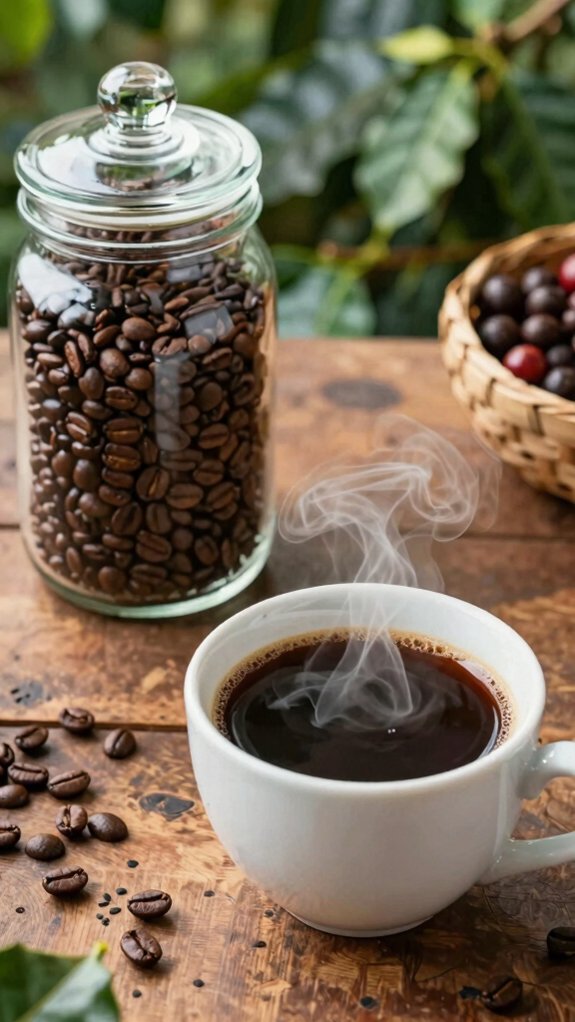
Spotting real Kopi Luwak from fakes matters more than ever when you’re dropping serious money on a cup. I’ve learned that nearly half of tested samples are fraudulent, so here’s how I protect myself from price fraud and scams:
Check for independent certifications – wild-sourced beans with proper paperwork beat marketing fluff every time
Look at provenance transparency – real kopi luwak shows clear farm-to-cup tracking, not vague origin stories
Know your authenticity markers – scientists use inositol and pyroglutamic acid to verify beans beyond taste alone
Spot the scat difference – genuine wild-sourced droppings look distinct from caged/farmed waste, affecting both ethics and quality
I always demand documentation. Without it, you’re likely buying fake kopi luwak at luxury prices.
Frequently Asked Questions
How Ethical Is Luwak Coffee?
I find luwak coffee deeply problematic since most production relies on caged, force-fed civets suffering poor welfare. I’d only consider ethically sourced wild-harvested options verified by independent certifications, though these remain rare and difficult to authenticate.
What Is the 15 15 15 Rule for Coffee?
Picture a 1950s diner jukebox spinning, I’m chasing balance in every cup. I aim for 15% acidity, 15% sweetness, 15% body so no single note hijacks my brew. It’s my harmony hack, not gospel.
What Is the Controversy With Kopi Luwak Coffee?
I find Kopi Luwak deeply troubling because producers often cage and force-feed civets, causing immense suffering. I’m disturbed that authentic wild-sourced claims are frequently fake, and I believe the hype masks serious ethical and animal welfare problems.
What Is the 80/20 Rule for Coffee?
Picture coffee as a symphony: I believe roughly 80% of your cup’s magic springs from just 20% of variables, origin, processing, and roast, while the remaining 20% of flavor dances from grind size and brew method.
In Conclusion
Kopi luwak delivers a genuinely distinctive cup, silky, earthy, and remarkably smooth, but that experience comes at a steep price, both financially and ethically.
If you’re chasing those caramel‑chocolate notes, modern anaerobic or honey‑processed beans hit the nail on the head without the baggage. Always verify wild‑sourced certification, or better yet, skip the gamble entirely. Great coffee shouldn’t cost animals their freedom, and honestly? Your palate won’t know the difference.