
Yes, your morning coffee can definitely change your stool color, and it’s usually nothing to worry about.
I find it often comes down to coffee’s natural dark pigments and how its caffeine speeds up your digestion. If things move too quickly, bile might not break down fully, which can surprisingly lead to greenish stools.
But while most changes are harmless, there’s a crucial distinction I need to explain about when a darker color actually signals a problem.
Table of Contents
Can coffee change stool color at all

Ever wondered if your morning brew can actually affect your stool color? As a coffee enthusiast, I can tell you that yes, coffee can influence stool color, but usually in subtle ways.
The compounds in dark-roasted coffee may make stools appear darker, similar to other dark foods. However, significant color changes like black stools aren’t typically caused by coffee alone.
Black or red stools can signal gastrointestinal bleeding, a serious issue needing a consult healthcare professional.
Common causes for benign color shifts include coffee’s acidity affecting stomach acid and digestion speed.
Can coffee cause green or darker stool

The caffeine in coffee stimulates your digestive system, speeding things up so much that bile doesn’t fully break down, which can cause green stools.
Coffee’s own dark pigments can tint your stool a darker hue.
What you add to your cup matters. Creamer with artificial food coloring or pairing it with iron supplements can intensify color changes.
While usually harmless, persistently black or tarry stool warrants a doctor’s visit to rule out underlying health issues.
When in doubt, a quick physical exam by your doctor can provide peace of mind and clarity.
Coffee compounds, additives, and stool color
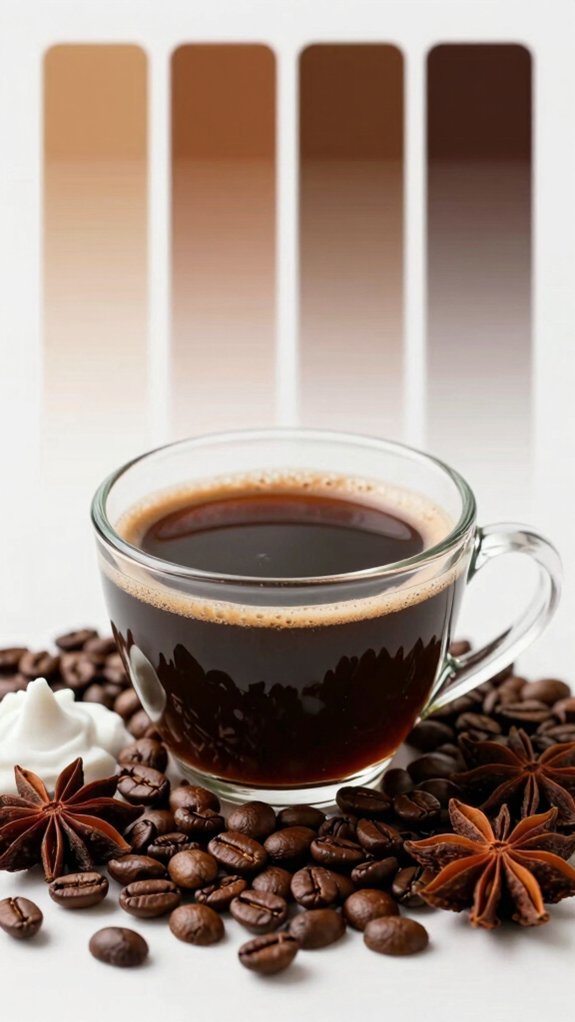
While you might already know coffee can speed up digestion, the specific compounds in your brew and what you add to it play starring roles in stool color changes.
The coffee compounds that stimulate your digestive system can lead to faster transit, sometimes causing changes in stool color before bile fully breaks down. A dark roast coffee itself adds deep pigments.
Then, consider additives like dark syrups or creamers-they are dark-pigmented foods that mix in your gastrointestinal tract. Combined with other dietary factors, they can temporarily tint stool.
For most, this is harmless.
However, consistently dark stool could signal a need to evaluate your overall bowel health. If changes persist without a clear dietary link, it’s wise to consult a doctor.
When is black stool after coffee worrisome

Since your morning coffee might occasionally lead to black stool, it’s important to know when this change is just a harmless pigment and when it could signal a health concern.
Typically, it’s just dietary factors like dark roast coffee or certain supplements.
But here is when that black stool should prompt medical attention:
When it looks like coffee grounds, which can indicate gastrointestinal bleeding.
If it’s accompanied by severe abdominal pain or dizziness.
When you have a history of peptic ulcer disease.
If other symptoms like vomiting blood are present.
Whenever it persists for more than a day or two, pointing to potential health issues.
In these cases, please don’t wait. Consult your doctor promptly.
Brewing methods, roast levels, and color
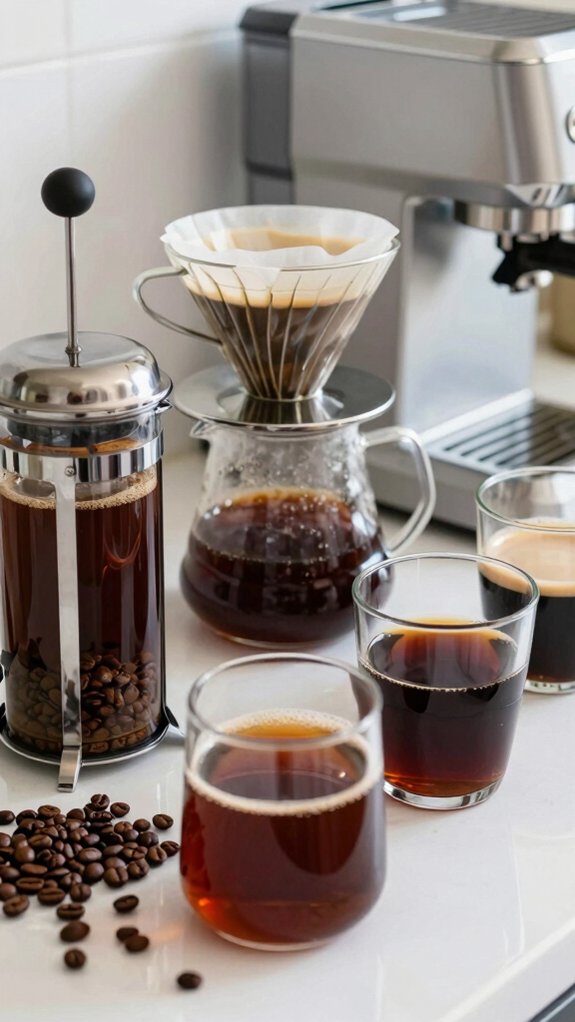
As you explore how your daily cup might affect digestion and stool color, consider that both your brewing method and roast choice play key roles.
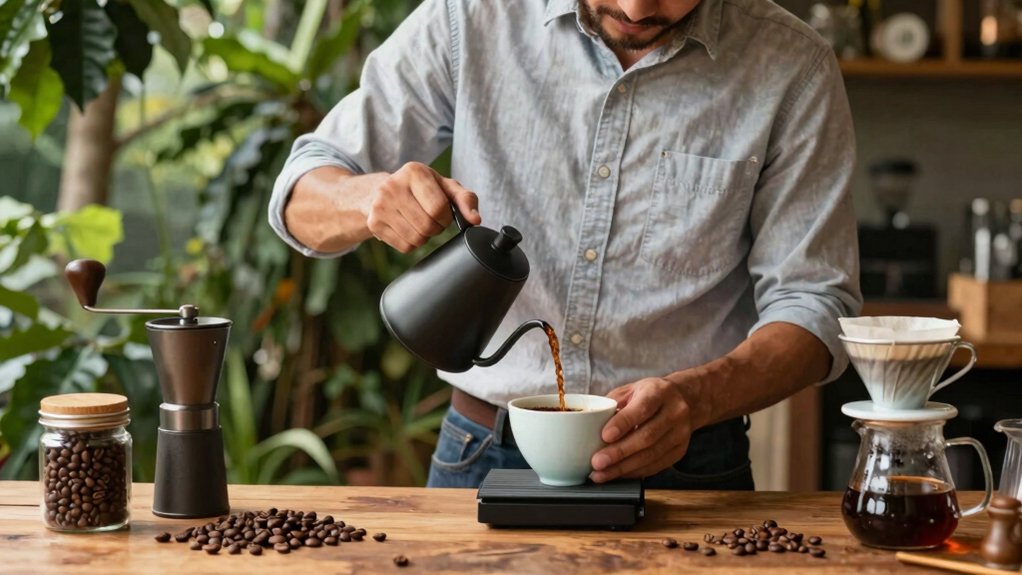
Brewing methods like French press retain more natural oils, which can stimulate your digestive tract more intensely, sometimes speeding up bowel movements.
In contrast, paper-filtered coffee removes many of these compounds, potentially leading to milder digestive responses.
Your roast level matters, too. Darker roasts are typically less acidic, which may be gentler on your gastrointestinal system.
This reduced acidity could mean fewer issues with stool color changes compared to more acidic light roasts.
How to tell coffee is the culprit

Now let’s look at how you can figure out if coffee is actually causing changes in your stool color. As a coffee lover myself, I know it’s easy to worry. The key is systematic observation.
Here’s my simple guide to help you tell if your coffee is the likely culprit for a shift in your stool color:
Pause and observe: Stop drinking coffee for 2-3 days. If your stool returns to normal, it strongly points to the coffee.
Check for additives: Consider if creamers, sugary syrups, or even iron supplements taken with your brew could be influencing color.
Monitor your body: Note any accompanying symptoms like abdominal pain; coffee alone shouldn’t cause pain.
Assess the color: True black stools or tarry stools are a major red flag, often indicating digested blood from bleeding higher up, not just dark brown from coffee.
Know when to stop guessing: If changes persist after a coffee break, or you see “coffee ground” texture, seek medical consultation immediately to rule out underlying health issues.
Your digestive health always comes first.
Other foods, supplements that darken stool
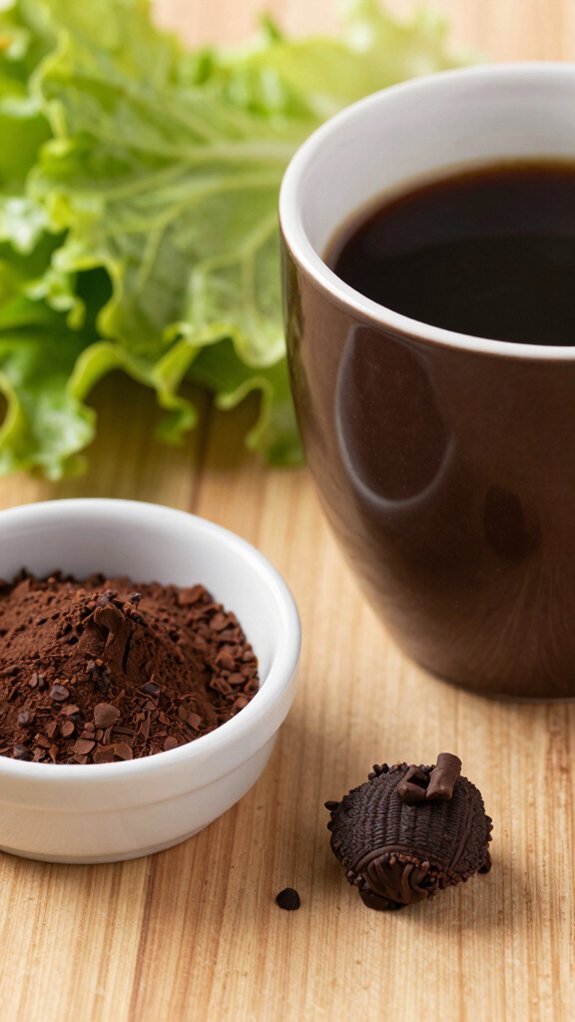
| Food/Drink | Supplement/Medication | Typical Appearance |
|---|---|---|
| Black Licorice | Iron Supplements | Tar-like Black Stools |
| Beets & Blueberries | Bismuth Subsalicylate | Dark Green/Black Stools |
| Dark Beer | Certain Antibiotics | Darkened Stool |
| Dark Chocolate |
If you see sudden changes without these culprits, consult your doctor.
Frequently Asked Questions
Does Coffee Affect Poop Color?
I’ve found coffee itself doesn’t typically change poop color, but additives or excessive intake might darken it.
If you see a coffee-grounds appearance, that’s serious and I’d consult a doctor immediately.
What Does a Coffee Grounds Stool Look Like?
Ironically, it looks nothing like your morning brew. I’d describe it as dark, tarry stool flecked with gritty black specks that resemble wet coffee grounds, a serious sign of internal bleeding needing urgent medical care.
How Dark Is Too Dark for Poop?
I consider poop too dark if it’s black and tarry, like tar or coffee grounds.
That often signals digested blood. While diet can darken it, I’d seek immediate medical help for that specific, alarming appearance.
Why Did My Poop Suddenly Change Color?
Let’s cut to the chase: my poop color often changes from diet, like beets, or medications.
While usually a storm in a teacup, new, persistent dark or red hues mean I should call my doctor promptly.
In Conclusion
Yes, coffee can change your stool’s color. It’s fascinating how a simple morning ritual connects so directly to our digestion.
I’ve seen my own stool darken after a particularly strong, dark roast, it’s a common coincidence for us coffee lovers. Just monitor any changes; if dark stools persist without coffee, please see a doctor.
Otherwise, enjoy your brew knowing what’s happening.