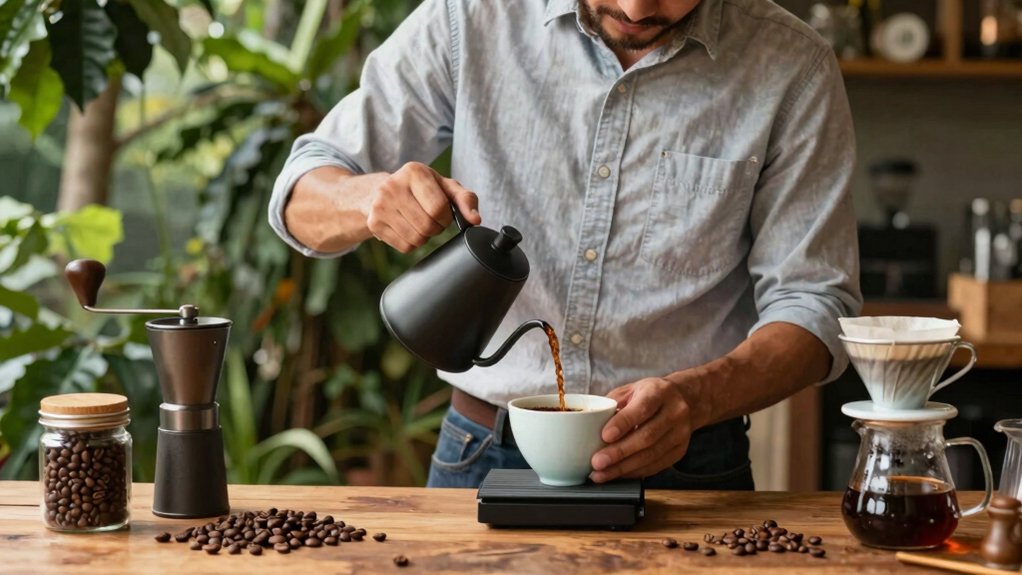


I’ve found that coffee helps a hangover by giving you a temporary alertness boost, which can mask the fatigue and brain fog.
But here’s the catch: as a diuretic, it can actually worsen your dehydration, and the caffeine might tighten blood vessels to intensify that pounding headache. So, while that initial lift feels great, the relief is often superficial and can backfire if you’re not careful about timing and what you pair it with.
Table of Contents
Why does coffee help hangovers, really?
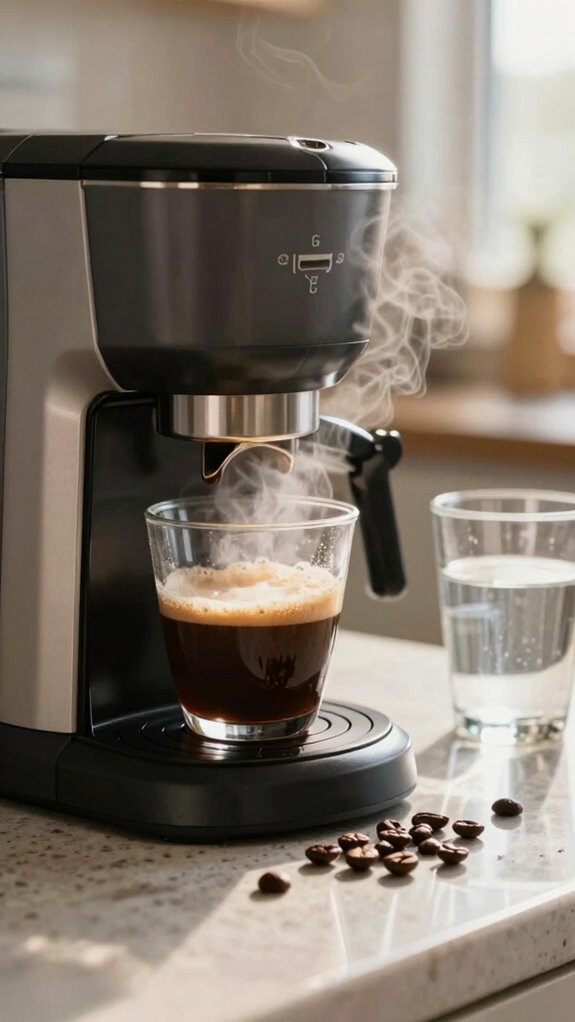
Honestly, coffee doesn’t truly help a hangover in a curative way. That morning cup mainly provides a temporary jolt of alertness that can make you feel more functional. The caffeine temporarily boosts your energy and mood, which can seem like a good remedy.
But here is the catch: a primary cause of hangover symptoms is dehydration, and caffeine is a diuretic. So while that coffee might mask your headache briefly, it can actually worsen your overall dehydration, making nausea and fatigue linger longer.
For regular drinkers, it may simply stave off caffeine withdrawal. So, you’re trading a short-term perception of relief for potentially prolonging the hangover. It’s a psychological band-aid, not a cure.
Does coffee ever make hangovers worse?

Indeed, coffee can sometimes make hangovers worse, and I’ve seen this firsthand with friends who reach for a mug hoping for a miracle.
Since dehydration is a key cause of hangover symptoms, coffee’s diuretic effect can hinder your crucial rehydration efforts, leaving you feeling worse. The caffeine can also constrict blood vessels, potentially intensifying those pounding headaches instead of soothing them.
For regular drinkers, skipping your morning cup might even trigger a caffeine withdrawal headache on top of your existing misery.
So while the ritual feels comforting, that coffee might amplify nausea and tremors, delaying real recovery.
Your best bet is to prioritize water and electrolytes first.
When should I drink hangover coffee?

So, when’s the best time to reach for that hangover coffee? Timing is everything. I always advise waiting until you’ve had some water and a light meal. This combats the core issue of dehydration first and settles your stomach, preventing coffee from worsening nausea.
For us regular drinkers, a small cup can then ease caffeine withdrawal headaches, which pile onto existing hangover symptoms. Just keep it moderate.
Hydrate First: Counteract dehydration with water or an electrolyte drink before introducing caffeine’s mild diuretic effect.
Never on Empty: Always have a bland snack or light meal first to buffer your stomach and help absorption.
Listen to Your Head: If your headache is pounding, remember caffeine constricts blood vessels; a tiny amount may help, but too much aggravates it later.
Best coffee choices for bad hangovers

When choosing the best coffee for a rough hangover, your primary goal should be to soothe your system while getting a gentle caffeine lift.
I always advise starting with a small cup to address withdrawal headaches without worsening dehydration. Your top choice should be black coffee; avoiding sugar and milk prevents further stomach upset.
Opt for a method with low acidity, like cold brew, which is much gentler. This gives you the caffeine boost you need without the harshness.
How to make a gentle hangover coffee

I’ll show you how I make a gentle hangover coffee by focusing on the right ingredients, using simple equipment, and following a few key instructions.
This method prioritizes being easy on your stomach while still giving you that helpful caffeine lift.
We’ll keep things straightforward so you can feel better without any fuss.
Ingredients
Salt & Electrolytes: A tiny pinch of salt in your coffee helps replenish lost electrolytes, directly combating the dehydration at the core of your hangover.
Milk for Soothing: A splash of milk or oat milk adds extra hydration and can coat your stomach, providing a gentler experience.
Natural Sweetener: Using honey as a sweetener offers a clean energy boost to help stabilize those wobbly blood sugar levels without processed sugars.
Equipment
Now that we’ve gathered our ingredients, let’s talk about the right gear to prepare your hangover coffee. For brewing, I always recommend a simple pour-over setup. This method gives you precise control, which is key for a gentle cup that won’t upset a sensitive stomach.
A gooseneck kettle is perfect for this. Its slow, steady pour ensures even extraction, reducing bitterness. Pair it with a paper filter for the cleanest, smoothest result, further aiding your hydration goals.
This controlled process maximizes comfort while the warm coffee provides a gentle energy lift.
Instructions
First, let’s brew that gentle cup. I start with a light roast coffee to minimize irritants that can worsen hangover symptoms. Using low-acid beans is key for a sensitive stomach.
I brew a small, concentrated cup to avoid overloading my system. Right beside it, I always have a large glass of water to prioritize hydration, as coffee is a diuretic. This combination tackles fatigue while supporting my body’s recovery.
To make this coffee truly restorative, I customize it:
Add a splash of milk or cream to coat and soothe the stomach.
Include a tiny pinch of salt to help replenish lost electrolytes.
Consider a teaspoon of sugar or honey for a quick energy boost without upset.
Sip slowly alongside water for effective, gentle relief.
Safe caffeine limits after a hangover

When you’re nursing a hangover, you might reach for coffee to ease that throbbing headache, but it’s wise to keep your caffeine in check because too much can actually make you feel worse.
For habitual drinkers, a small cup can relieve withdrawal headaches without severely impacting hydration. However, exceeding 200 mg, about two cups of brewed coffee, risks increasing diuresis, worsening dehydration, and sparking anxiety.
I advise staying within a moderate 100-200 mg range. This supports alertness without significantly taxing your system.
Remember, if you’re sensitive, even a little can cause jitters and a racing heart, complicating recovery.
The key is balance: use caffeine strategically, not excessively, and always pair it with plenty of water.
Better drinks than coffee for hangovers
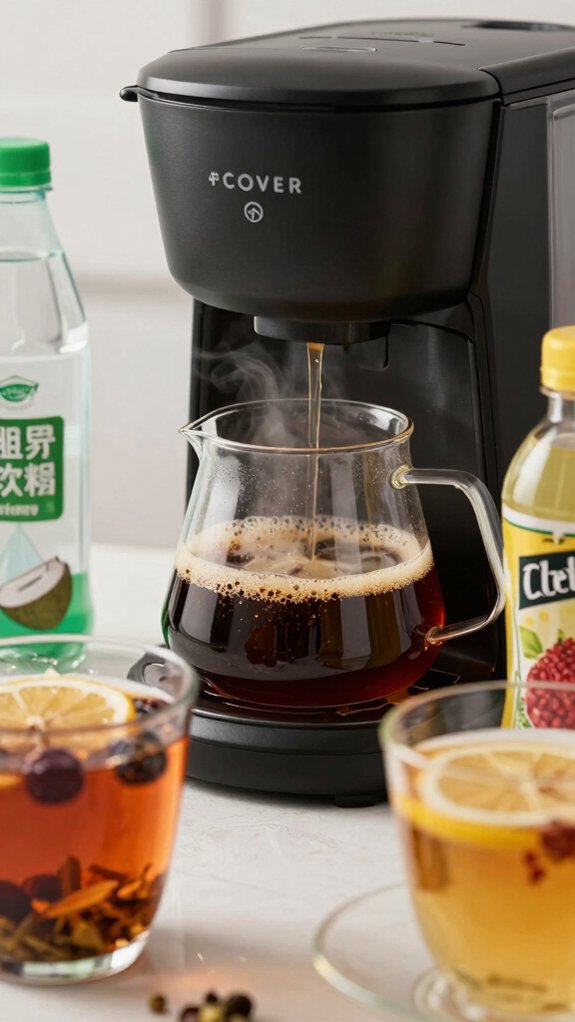
My top picks are drinks that tackle dehydration and nutrient loss head-on:
Sports drinks or coconut water to efficiently replace lost electrolytes and fluids.
Herbal teas like ginger, which can settle your stomach and aid digestion.
Fruit juices, especially orange juice, for a vitamin C boost that helps your body process alcohol remnants.
These options work *with* your body to promote genuine recovery, not just mask the fatigue.
Frequently Asked Questions
Does Coffee Help or Hurt a Hangover?
Coffee hurts a hangover more.
It dehydrates you further, which can worsen your headache and fatigue.
While I might feel a brief energy boost, it doesn’t cure anything and actually slows my real recovery.
Does the Hair of the Dog Actually Work?
I’ve tried the ‘hair of the dog,’ and it’s a short-term patch like slapping tape on a leaky pipe.
It briefly numbs the symptoms but ultimately worsens the overall damage and delays real recovery.
What’s the Best Pain Relief for a Hangover?
I find ibuprofen or aspirin works best for my hangover pain.
I take it early with water, but I avoid Tylenol due to my liver.
I always check with my doctor for personal advice.
How to Get Rid of Painful Hangover Headache?
Half of us experience alcohol-induced headaches.
I’d hydrate immediately, take an NSAID like ibuprofen, and eat some toast.
I’d avoid Tylenol, as it can strain my liver after drinking.
In Conclusion
Coffee helps a hangover by briefly boosting alertness, but it’s a mask, not a cure. In fact, about 30% of people report their headache worsens with coffee due to caffeine’s blood vessel effects.
I always hydrate first, then have a gentle, half-caf cup with a bite to eat. It’s a temporary lift, not a solution, your body still needs water and rest to truly recover.