


Yes, coffee can help ease a headache, but it might also make things worse, depending on how you use it. Caffeine tightens swollen blood vessels in the brain, which can dial down pain fast, especially when taken early. In fact, about 100–150 mg (roughly one strong cup) boosts common painkillers like aspirin or ibuprofen by up to 40%, according to the American Migraine Foundation.
But here’s the catch: if you drink coffee unevenly, too much, or skip your usual dose, it can spark a rebound headache instead. Your morning ritual could be healing, or secretly hurting.
Table of Contents
Can coffee cure headache, or just help?

While coffee won’t “cure” a headache like medicine targets an infection, it can definitely help, often quite quickly.
The caffeine in your morning brew can vasoconstrict swollen blood vessels, helping relieve pain, especially in migraine or tension-type headaches. That’s why many OTC meds include 100–150 mg of caffeine, it boosts effectiveness.
But beware: regular use can lead to dependence, and skipping your usual amount of caffeine might trigger caffeine withdrawal and rebound headaches within 12–24 hours.
So while coffee can help short-term, overuse may backfire.
To find your sweet spot, track intake and headache patterns, you’ll see if coffee helps or hurts you.
Why caffeine eases some headache pain

Kick in a headache, and you might find that a small cup of coffee can actually turn the tide, fast.
Caffeine is a vasoconstrictor, narrowing cerebral blood vessels and reducing pressure on pain-sensitive nerves, easing headache pain by about 100–150 mg (one small cup). It also boosts analgesic enhancement, making aspirin or ibuprofen up to 40% more effective.
Best for tension headaches or early migraine attacks, it works fastest with proper dose/timing, early in the attack, not late day.
Occasional users get the strongest relief; regular use builds tolerance, increasing withdrawal risk. So, save that cup for when you really need it, your brain (and barista) will thank you.
Can coffee also trigger migraine attacks?

If you’ve ever sipped your morning brew only to feel a migraine creeping in hours later, you’re not alone, coffee can absolutely trigger migraines in some people, even in small amounts. Caffeine’s a double‑edged sword: while it eases some headaches through vasoconstriction, irregular or high coffee intake can backfire.
| Factor | Effect | Risk Level |
|---|---|---|
| High caffeine (e.g., energy drinks) | Increases migraine frequency | High |
| Inconsistent frequency of use | Triggers attacks | Medium |
| Stopping suddenly | Causes withdrawal headache | High |
| Medication-overuse + caffeine | Rebound headaches | High |
| Tracking consumption | Helps prevent attacks | Low |
Track your intake, keep it steady, or try tapering by 25% weekly to avoid withdrawal.
How much caffeine is actually safe?
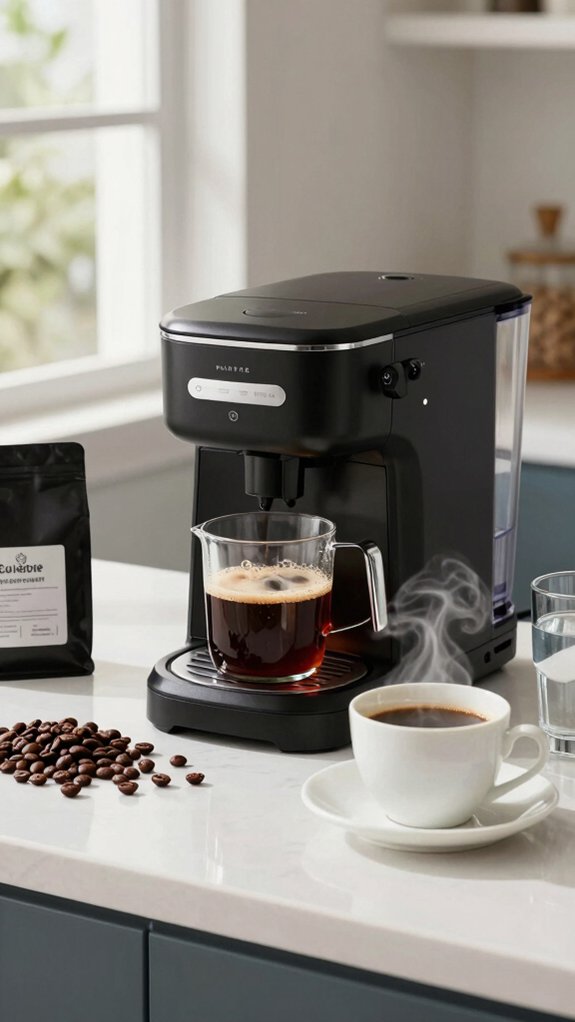
When it comes to caffeine, I’ve learned that the sweet spot for most of us is around 400 milligrams a day, about four standard 8-ounce cups of brewed coffee, and staying within that limit keeps things safe and enjoyable for the average healthy adult.
Now, 100–150 mg of caffeine (roughly one to two cups) can actually help relieve pain and boost OTC meds. But go over 200 mg/day regularly, and you risk dependence and withdrawal headaches.
Watch for sleep disruption, late caffeine can backfire as a headache trigger.
And if you’re pregnant? Stick to the pregnancy limit: ≤200 mg daily.
Who should skip coffee for headaches?

While coffee can be a go-to fix for some headaches, I’ll be honest, there are times when reaching for that cup might do more harm than good, especially if you’re in one of these groups.
If you drink over 200 mg per day and get frequent headaches, you could be facing caffeine withdrawal or rebound headaches. I’d tell you to limit coffee if you have a medication‑overuse headache or take analgesics with caffeine.
Watch for sensitivity to caffeine or slow caffeine metabolism, common in older adults, and if coffee is a migraine trigger, skip it.
Sleep disruption worsens morning headaches, so avoid coffee if you have sleep issues.
And per pregnancy caffeine limits, cut back if you’re expecting or trying, over 300 mg/day raises risks.
Brew method caffeine differences that matter
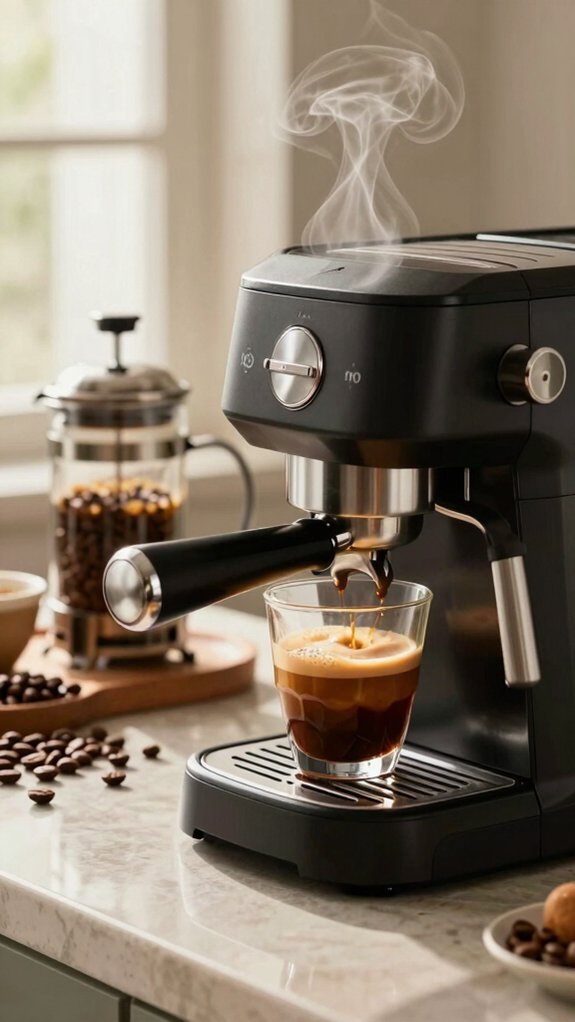
Grab your favorite mug, your brew method isn’t just about flavor, it directly shapes how much caffeine you’re getting, and that can make or break your headache relief.
Brew Method Matters
A drip coffee (8 oz) delivers 95–165 mg caffeine, ideal for headache relief with a ~100 mg dose. Espresso (1–1.5 oz) has 47–75 mg; two shots hit that sweet spot.
Cold brew (12 oz) can pack 150–300+ mg, risking jitters. Instant coffee? Only 30–90 mg, great to avoid caffeine withdrawal.
Match your cup size and brew method to your caffeine dose needs, consistency brings relief, not more pain.
Better relief options when coffee backfires

Sometimes coffee doesn’t clear the fog, it adds to it. If caffeine withdrawal or sleep disruption is fueling your headache, it’s time to rethink your routine.
- Swap to a non-caffeinated over‑the‑counter analgesic like acetaminophen
- Limit caffeine to under 100–150 mg daily and track caffeine intake closely
- Taper caffeine by ~25% per week to avoid withdrawal headaches
- Avoid caffeine after mid‑afternoon to protect sleep hygiene
- Boost hydration and consider magnesium supplementation to counter losses
If headaches persist >2–3 times weekly, you might be facing medication‑overuse headache, see a clinician for a real fix.
Frequently Asked Questions
Does Caffeine Help a Headache or Make It Worse?
Caffeine helps my headache when I use it occasionally, but if I drink too much or skip my usual amount, it can definitely make things worse. I’ve learned to keep my intake steady and moderate.
In Conclusion
Yes, coffee can literally banish a headache like a superhero, if you play it smart. Caffeine slams constricted blood vessels back into balance and boosts painkillers by 40% (hello, faster relief!). But overdo it? Boom, rebound headaches hit hard.
I’ve seen folks chug four lattes, then wonder why their skull’s pounding. Stick to 100–150 mg (that’s one strong brew), keep it consistent, and never, ever skip sleep for a caffeine fix. Trust me, your brain will thank you.