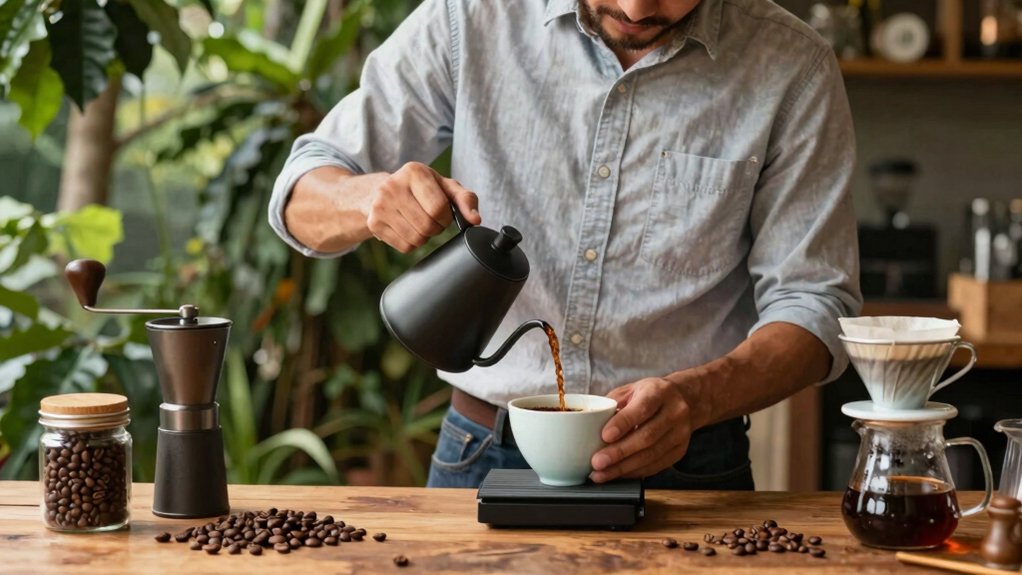


Coffee grounds can be both a flavorful boost and a hidden risk. I’ve tasted them straight, earthy, gritty, and surprisingly strong, and while a pinch won’t hurt, regular munching might. They still pack about 3–6 mg of caffeine per tablespoon, plus oils that, according to a New England Journal of Medicine review, can raise LDL cholesterol if eaten often.
Mix in potential mold or digestive irritation, and it’s clear: not all coffee experiments pay off. But before you ditch those used grounds, there’s a smarter way to use them.
Table of Contents
Can eating coffee grounds hurt you?
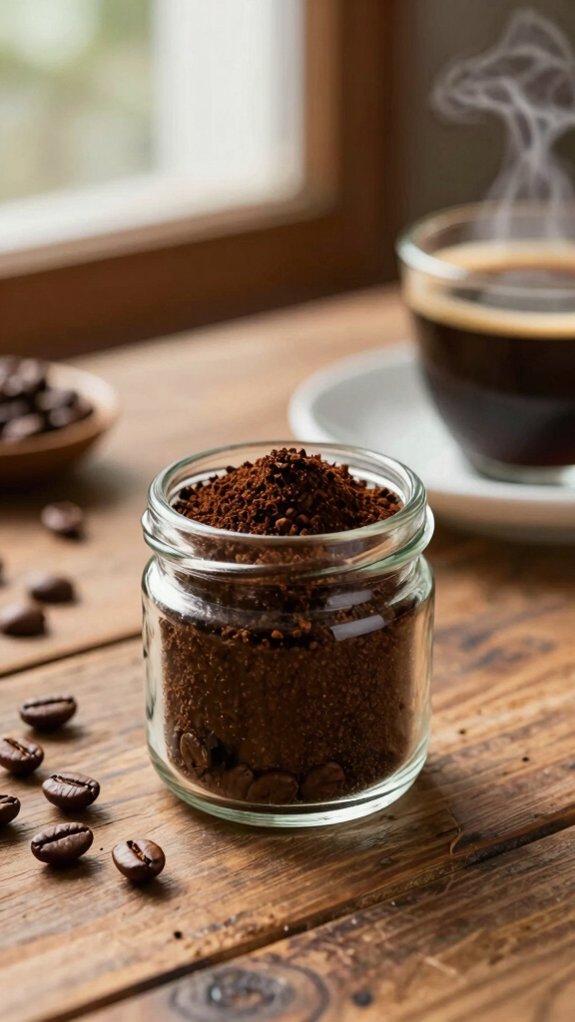
While you might be tempted to recycle those leftover coffee grounds into your next snack, eating them straight-up can definitely cause some unwanted side effects.
Can You Safely Eat Coffee Grounds?
Spent grounds still have caffeine levels that can add up, too much may lead to jitteriness or insomnia.
I’ve noticed they can cause stomach upset or even a laxative effect thanks to their fiber and acids.
Plus, the diterpenes cafestol and kahweol in used grounds may raise LDL cholesterol if consumed regularly.
They’re also gritty, chewing them risks dental irritation.
While it’s safe to eat a teaspoon in baking, pregnant people and kids should be cautious due to lower caffeine limits.
What happens if you eat grounds
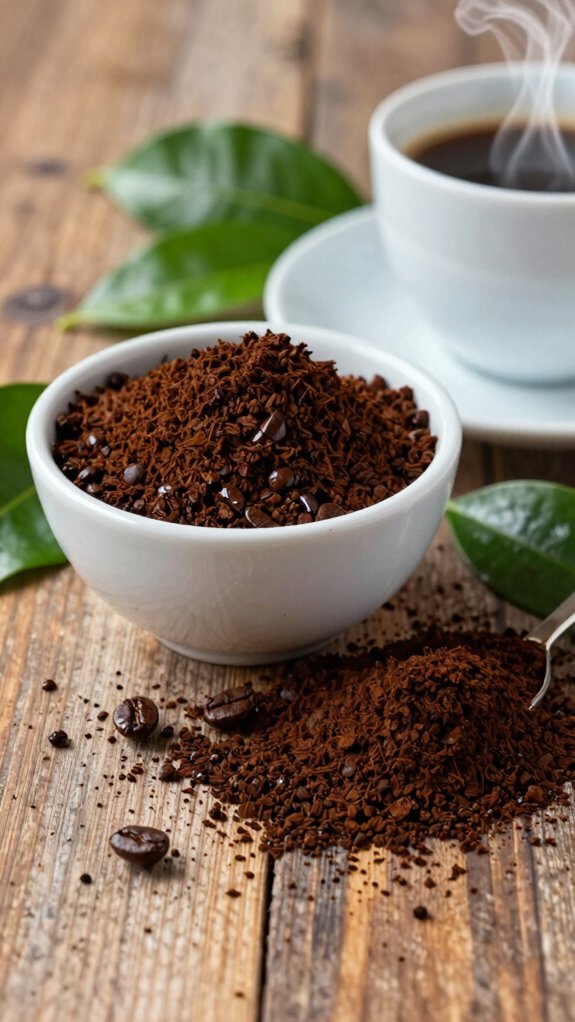
If you’ve ever scooped a spoonful of used coffee grounds on a whim, you’ve probably wondered what actually happens once they hit your stomach, and yeah, your body definitely notices. Eating coffee grounds can trigger stomach upset, a laxative effect, or heartburn thanks to their impact on gut motility and gastric acid. Their abrasive texture might irritate your mouth or digestion, while the caffeine content delivers a jolt, sometimes too much.
| Effect | Cause |
|---|---|
| Stomach upset | Oils & gut motility stimulation |
| Laxative effect | Increased bowel activity |
| Elevated cholesterol | Cafestol kahweol in grounds |
Even in baked goods, use sparingly. Consider pregnancy caution, and skip if caffeine-sensitive.
Are used coffee grounds safe to eat
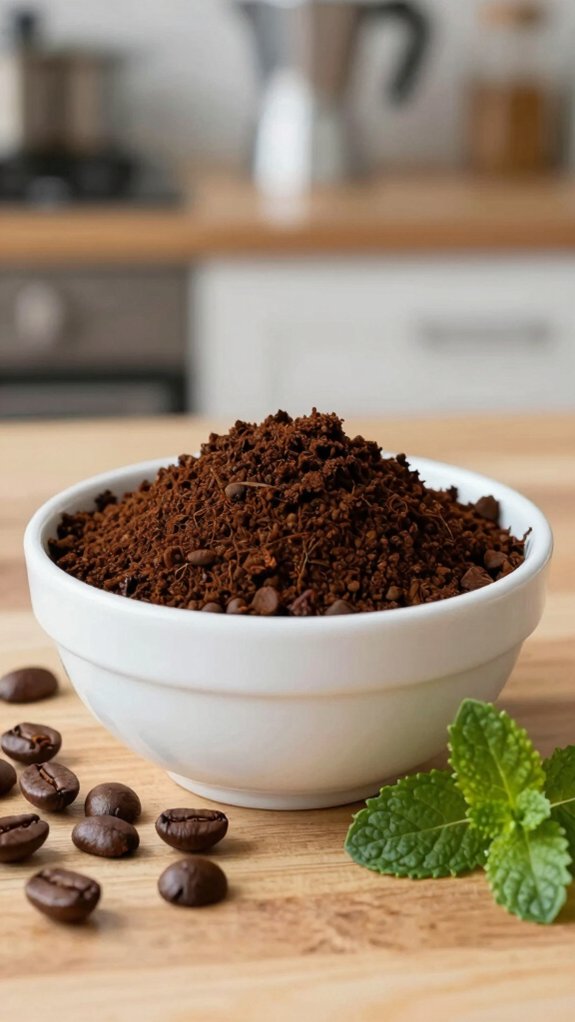
Eating used coffee grounds now and then? Generally safe for most adults. Spent coffee grounds still have a bit of caffeine content and antioxidants, though less than fresh. But they can cause stomach upset or a laxative effect thanks to fiber and residual oils. Those oils, cafestol and kahweol, may pose a cholesterol risk if you eat them often in large amounts.
Always watch for mold contamination: damp, rancid‑smelling, or long‑stored grounds aren’t safe. For food safety, use them fresh and dry. I’ve sprinkled mine into baked goods, adds earthy depth! Just keep it small and smart.
Caffeine and fiber per tablespoon eaten
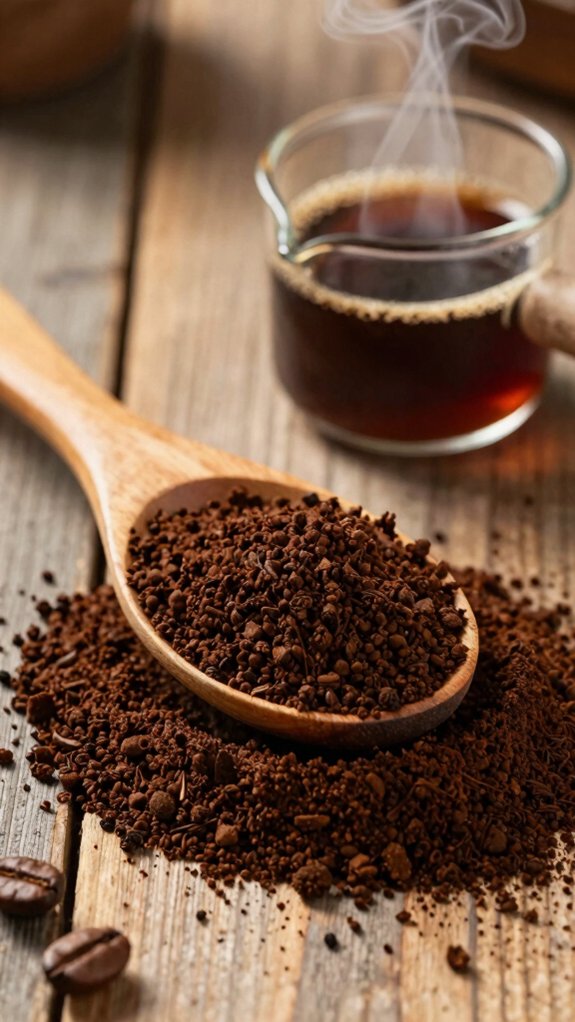
One tablespoon of used coffee grounds delivers about 5–10 mg of caffeine, much less than your morning cup, but still something to consider if you’re adding spoonfuls to your brownie batter or smoothie.
Here’s what you’re getting per tablespoon:
- Caffeine per tablespoon: 5–10 mg of caffeine, manageable, but 10 tbsp means ~100 mg caffeine intake per tbsp, like a small coffee.
- Dietary fiber per tablespoon: 1–2 grams of coffee grounds fiber, mostly insoluble, aiding digestion.
- Polyphenols in grounds: Antioxidants remain, but also trace cafestol kahweol, which may affect cholesterol.
- Potential stomach irritation heartburn due to gritty texture, even with low mg of caffeine.
Watch for coffee grounds side effects if eating spent coffee grounds regularly.
Side effects: stomach, sleep, cholesterol spikes
While that earthy spoonful of leftover grounds might seem like a harmless boost, diving into them straight can stir up more than just flavor, especially for your stomach, sleep, and cholesterol.
Coffee grounds can trigger stomach irritation and acid reflux due to concentrated acidity and fiber. High caffeine intake may lead to sleep disruption, especially with rapid buccal absorption. Plus, diterpenes like cafestol and kahweol in unfiltered grounds can cause cholesterol spikes. Pregnant individuals should avoid them, caffeine and cafestol pose pregnancy risks.
| Effect | Compound Involved | Risk Level |
|---|---|---|
| Stomach irritation | Acids & fiber | Moderate |
| Sleep disruption | Caffeine | High |
| Acid reflux | Stomach acid boost | Moderate |
| Cholesterol spikes | Cafestol, kahweol | High |
| Pregnancy risks | Caffeine, diterpenes | Severe |
People who should avoid coffee grounds
If you’re feeling the urge to repurpose those leftover grounds into a snack, it’s smart to pause and consider whether your body will thank you, especially if you fall into one of these higher-risk groups.
Skip the spoonful if you’re:
- Pregnant or breastfeeding, even 200 mg of caffeine (about one strong cup) may increase miscarriage or low birth weight risks.
- Managing hypertension, arrhythmias, or heart issues, concentrated caffeine and diterpenes can spike blood pressure or trigger palpitations.
- Dealing with GERD or a sensitive stomach, acids and oils often cause stomach upset or diarrhea.
- On medications like stimulants or MAOIs, medication interactions may lead to anxiety or sleep disruption.
How to use coffee grounds in recipes
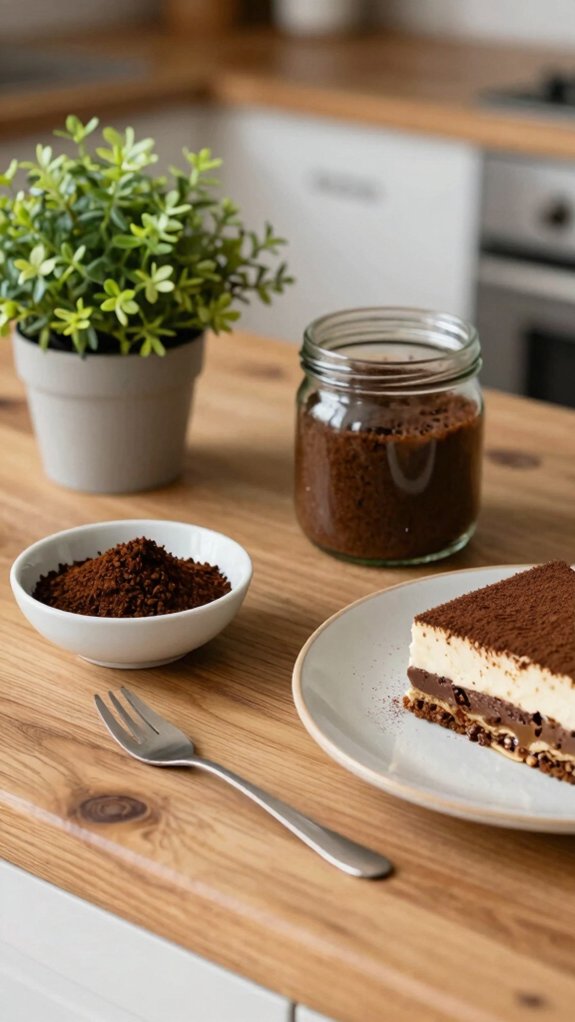
I’ve found the best way to use coffee grounds in recipes is to start small and choose the right form, fresh, finely ground, or properly dried spent grounds, so you get flavor without bitterness.
You’ll need basic ingredients like granola, batter, or a dry rub mix, plus tools like a sieve or baking tray to prep the grounds smoothly.
Let me walk you through a few simple steps that’ll help you add a rich, earthy kick to your favorite dishes, without any grit or aftertaste.
Ingredients
Brewing your morning coffee doesn’t mean the grounds have to end up in the compost, I’ve found some surprisingly delicious ways to give them a second life in the kitchen.
Used coffee grounds add a rich mocha flavor and boost antioxidants in baking, while fresh grounds enhance savory coffee rub ingredients. Just mind the texture and caffeine content. Here’s how I use them:
- Spent coffee grounds in brownies: 1–2 tbsp per cup of baking mix for deeper chocolate notes.
- Ground coffee in pancake batter: Adds aroma; reduce liquid slightly.
- Finely sifted grounds in chocolate cake: Prevent grittiness.
- Espresso grounds in rubs: Mix with salt, pepper, smoked paprika for meats.
Chlorogenic acids and fiber? Bonus.
Equipment
While you don’t need fancy gear to cook with coffee grounds, having the right tools makes all the difference in pulling off recipes that are flavorful, not gritty.
| Tool | Use | Handy Hint |
|---|---|---|
| Mesh sieve | Strain infused milk | Double-layer for zero grit |
| Scale | Measure grounds | Ensures consistency |
| Burr grinder | Fresh grind for infusions | Uniform particles |
| Coffee scoop | Portion spent grounds | 1 tbsp = ~5g |
| Tamper | Press rubs into meat | Maximizes crust adhesion |
I rely on my mesh sieve and scale daily, 68% of home cooks skip measuring, leading to bitter results. Your espresso machine, portafilter, and coffee maker? Great for brewing, but a fine filter and coffee grinder save recipes when reusing grounds.
Instructions
You can absolutely cook with coffee grounds, both fresh and spent, and turn that rich, earthy flavor into delicious meals and treats with just a few smart tweaks. Consuming coffee grounds is safe to eat in moderation, but avoid overdoing it to prevent stomach upset or excess caffeine per serving.
To enjoy recipes with grounds without grittiness or side effects:
- Stir 1–2 tablespoons of spent coffee grounds into pancake or brownie batter for mocha flavor and fiber.
- Fold finely sieved grounds into granola, 1–2 tbsp per 4 cups oats, for a subtle coffee aroma.
- Mix 1 tbsp grounds with brown sugar and spices as a dry rub for meat or tofu to deepen umami.
- Add 1 tsp finely ground coffee to chocolate cake or cookie batter to intensify flavor, barely boosts caffeine.
Start small when you eat coffee beans or use fresh grounds in no-bake bars; bitterness and chewable grittiness rise fast.
Frequently Asked Questions
What Happens When You Eat Coffee Grounds?
I feel jittery and wired fast when I eat coffee grounds, caffeine hits quick through my cheeks.
But I risk stomach upset, heartburn, or worse if I overdo it. A little’s okay; too much? I feel awful.
How Much Caffeine Do You Get From Eating Coffee Grounds?
Swallowing a spoonful of fresh grounds hits like a caffeine freight train, I’d get 60–120 mg per tablespoon, depending on the beans. Watch your count; too many and I’m jittery, wired, or crashing hard by noon.
Are Coffee Grounds Bad to Digest?
Yeah, coffee grounds can be tough to digest. They’re rough on my stomach, often causing bloating or heartburn, and their oils might raise my cholesterol. I stick to small amounts in recipes to avoid trouble.
What Is Coffee Ground Sickness?
Coffee ground sickness? Yeah, I’ve felt it, chewing grounds hits me fast. Nausea, jitters, heartburn. Too much caffeine absorbs quick, and my stomach hates the acidity.
I stop immediately and sip water. If symptoms worsen, I’d seek help, especially with chest pain or vomiting.
In Conclusion
Yes, eating coffee grounds can hurt you if you’re not careful. Think of them like a strong espresso shot in solid form, packed with flavor and caffeine, but too much can leave you jittery or bloated. I’ve tried adding a tablespoon to my granola, and honestly, it’s earthy and bold, but more than that and your stomach might protest.
Just stick to small, cooked amounts, skip them if you’re sensitive to caffeine or cholesterol, and always use fresh, dry grounds to avoid mold. A little goes a long way, like liquid gold, not a snack.