
Yes, coffee can raise your blood sugar, especially if you’re sensitive to caffeine. It can reduce insulin sensitivity and prompt your liver to release stored glucose, leading to morning spikes, according to studies like one published in Diabetes Care showing caffeine may increase glucose levels by 8–10% in people with type 2 diabetes. This tends to hit harder on an empty stomach.
I’ve noticed even my morning ritual isn’t immune, timing and what I add really matter. Want to keep your energy without the crash? Let’s break down what actually happens when your brew meets your bloodstream.
Table of Contents
Can coffee raise blood sugar levels?
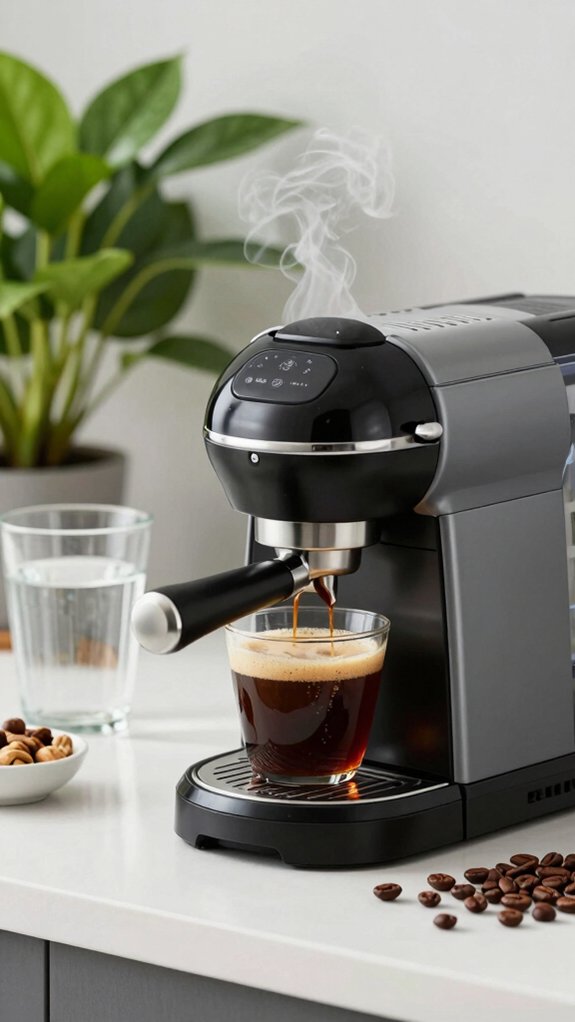
Yes, coffee can raise blood sugar levels, especially when it contains caffeine. If you have type 2 diabetes, this matters even more. Caffeine can reduce insulin sensitivity and prompt your liver to release glucose, spiking blood sugar.
Studies show daily glucose levels may rise about 8% with 4 cups’ worth of caffeine. Even black coffee, no sugar added, can cause this, thanks to adrenaline. One trial found post-meal spikes up to 26% higher with caffeine.
But decaf? It doesn’t seem to have the same effect and still offers antioxidants tied to lower long-term diabetes risk. Responses vary, some feel effects from just 1–2 cups. Test your blood sugar after coffee to know your personal response.
Why caffeine can spike morning glucose

When you sip that morning brew on an empty stomach, caffeine might be quietly spiking your blood sugar more than you realize. Caffeine reduces insulin sensitivity, making it harder for your cells to absorb glucose. It also triggers adrenaline, prompting your liver to release stored glucose, especially noticeable as a morning spike.
Here’s how coffee affects your glucose:
| Time of Day | Avg. Glucose Rise with Caffeine | Meal Context |
|---|---|---|
| Breakfast | +9% | With food |
| Lunch | +15% | With food |
| Dinner | +26% | With food |
| Fasting | Up to +8% daily avg | Empty stomach |
For steady levels, try half-caf or decaf, still delicious, less spike.
Does decaf coffee affect glucose too?
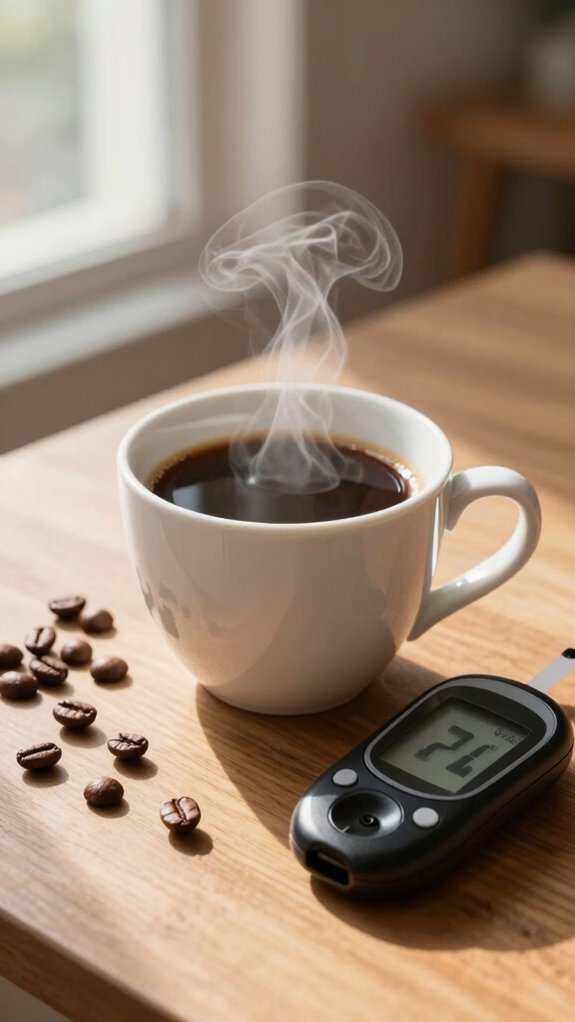
Most of the time, switching to decaf means your blood sugar gets a pass from the caffeine-driven spikes you’d get with a regular morning brew.
Decaf & Blood Sugar: What You Need to Know
Decaffeinated coffee typically doesn’t raise blood sugar levels like regular coffee because it removes most caffeine, the main culprit behind glucose spikes during caffeine consumption.
Still, decaf keeps many beneficial antioxidants linked to a lower long-term risk of type 2 diabetes.
Just 2–5 mg of caffeine remains per cup, so ultra‑sensitive folks might notice minor effects.
Watch your add‑ins, sugar, syrups, or creamers will raise glucose just like in regular coffee.
Test your response: check levels before and 1–2 hours after sipping plain decaf.
Which add-ins spike blood sugar most?

Honestly, the biggest blood sugar spikes from coffee usually don’t come from the brew itself, they come from what you pour into it.
Watch These Add-Ins:
- Sugar: Just 1 tsp (4g) adds carbs and can spike glucose.
- Flavored syrup: One pump packs 10–15g carbs, equal to a small cookie.
- Milk: 8 oz whole milk = ~12g carbs; lattes add up fast.
- Oat milk? Some have 20g carbs per cup, nearly as much as soda.
Even whipped cream and sweetened condensed milk (2 tbsp = ~20g carbs!) drive spikes.
Stick to unsweetened almond milk or black coffee to keep glucose steady. Your body, and taste buds, will thank you.
How much coffee is safe daily?
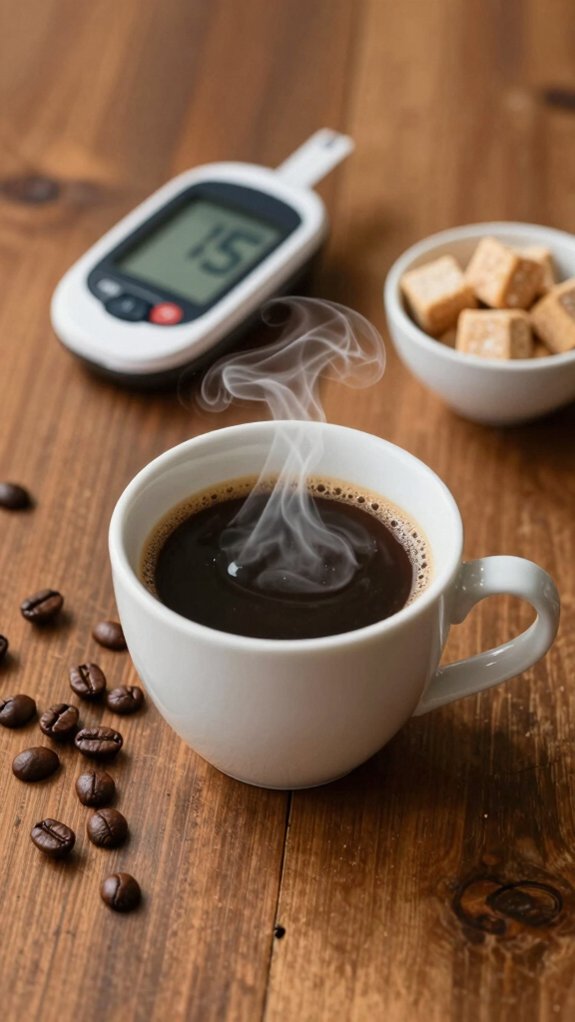
You’ll often find that sticking to about 2–3 cups of coffee a day, roughly 400 mg of caffeine, is perfectly fine for most healthy adults. But if you’re managing blood sugar, especially as someone with diabetes, even 200 mg of caffeine (about 1–2 cups) may affect glucose levels. I always suggest being mindful when drinking coffee, particularly with caffeinated beverages later in the day.
| Coffee Choice | Caffeine (approx.) |
|---|---|
| 8-oz regular | 80–100 mg |
| 8-oz decaf | 2–5 mg |
| Half-caf | 40–50 mg |
| Green tea | 30 mg |
| Black tea | 40–50 mg |
Try switching later cups to decaf or low-caffeine teas. For people with diabetes, this small change can make a big difference in blood sugar control.
Coffee timing, meals, and exercise tips
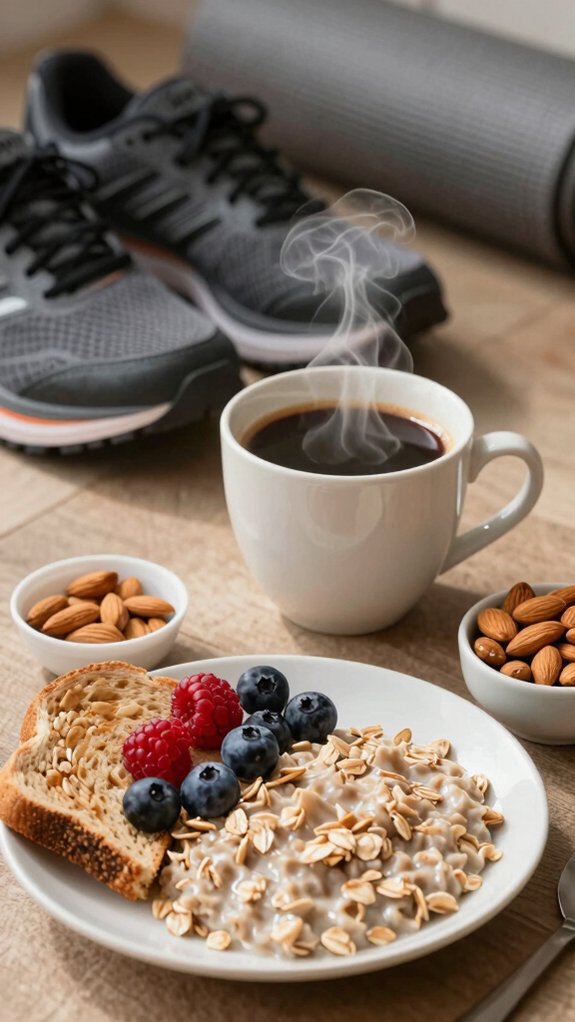
When you drink your coffee matters just as much as how much you sip, especially if you’re keeping an eye on your blood sugar.
Coffee on an Empty Stomach? Think Again
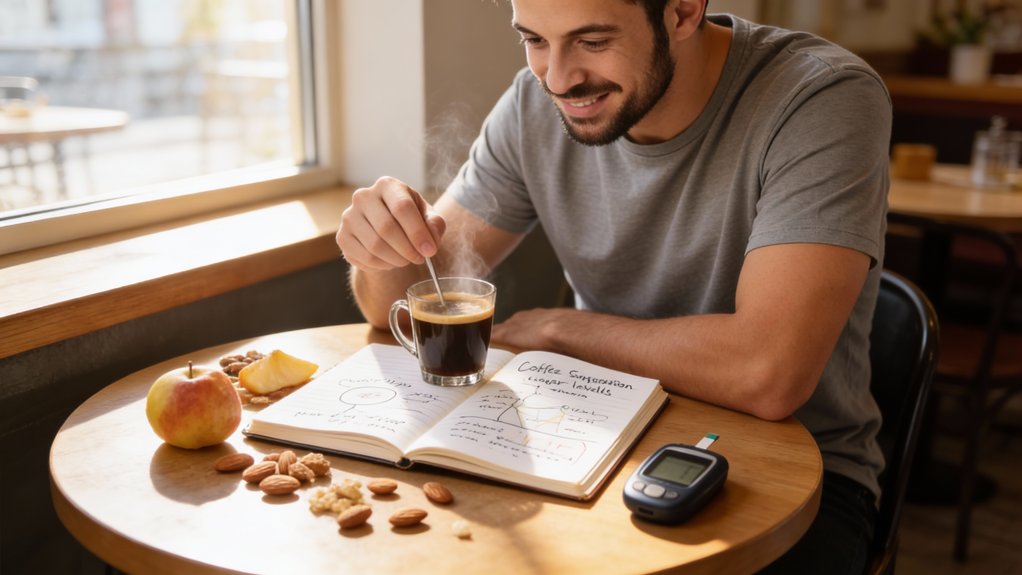
Skipping breakfast before coffee can spike postprandial glucose. I’ve seen it happen, many mornings start with a jolt, then a crash. Pairing coffee with even a small meal (like almonds or 15–30g of carbs + protein) helps.
Boost Insulin Sensitivity Naturally
About 200mg of caffeine may reduce insulin sensitivity in some, per studies. That’s just one to two cups! Sip after eating, not on an empty stomach.
Move After You Brew
Take a 10–30 minute walk post-coffee meal. It boosts muscle glucose uptake, your body handles sugar better.
I do it daily.
Try it!
How to brew blood sugar friendly coffee
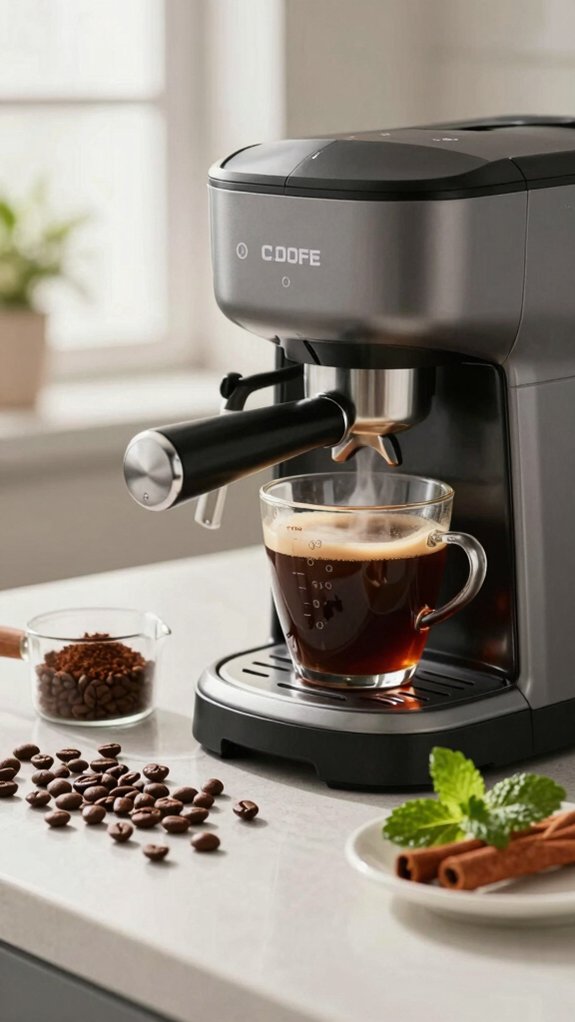
I’ve found the easiest way to enjoy coffee without spiking your blood sugar starts with smart brewing choices and simple ingredients. Swap regular creamers and sugar for measured, low-carb options, just one tablespoon of sugar adds about 12.5 grams of carbs and can noticeably raise your glucose.
Let’s walk through the basics: what to use, how to brew it right, and simple tweaks that make a real difference.
Ingredients
Let’s break down what goes into your cup, because the right ingredients can make all the difference for steady blood sugar.
Smart Swaps for Coffee, Creamers, Sugar & Milk
Skip sugar and flavored syrups, they spike glucose fast. Even oat milk packs ~16g carbs per 8 oz!
I prefer black coffee or unsweetened almond/soy milk. If using creamers or milk, measure: 1 tbsp half‑and‑half has ~0.6 g carbs; ¼ cup whole milk has ~3 g.
Instead of sugar, try cinnamon or a drop of vanilla extract while brewing, zero carbs, big flavor.
Pair your coffee with a small protein/fat snack, like 1 oz of almonds, to help blunt caffeine‑related glucose rises.
Equipment
Brewing coffee that won’t send your blood sugar on a rollercoaster starts with the right gear, and I’ve found the best results come from being picky about how I extract every drop.
Choose Your Filter Wisely
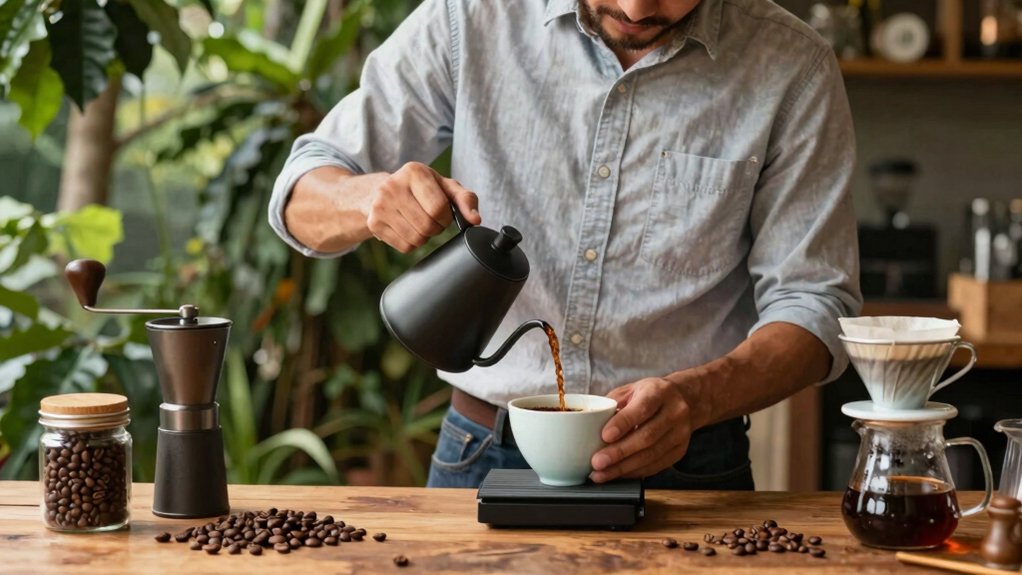
I use a paper or metal fine‑mesh filter (like pour‑over) to cut oils and bitter compounds that can amplify caffeine’s impact, studies show filtered coffee may reduce glucose spikes by up to 8%.
Control Strength & Additions
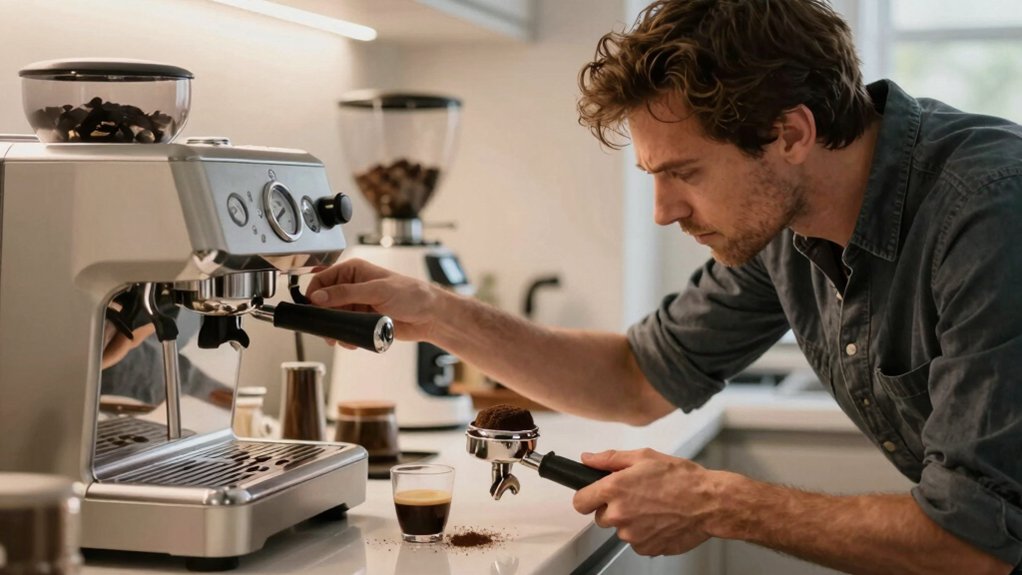
I brew strong, espresso or concentrated cold brew, then dilute with hot water.
This lets me manage volume and add just 1 tsp sugar or 30 mL milk per cup, keeping carbs in check.
Instructions
Start with the right beans and a smart brewing routine to keep your blood sugar steady without sacrificing flavor.
Brew Smarter, Not Harder
I use decaf or half-caf coffee to lower blood sugar impact, studies show caffeine may trigger blood sugar spikes in some people by affecting insulin sensitivity.
Keep It Clean
Skip sugary syrups. I add a splash of unsweetened almond milk or stevia, zero carbs, full flavor.
Balance Your Sip
I eat a few almonds before my cup. Protein helps blunt caffeine’s effect.
Listen to Your Body
Test glucose before and after. My levels? They stay steady.
Frequently Asked Questions
Can Herbal Coffee Substitutes Affect Blood Sugar?
Yes, herbal coffee substitutes can affect blood sugar. I watch mine closely because some blends contain natural sugars or carbs that might cause spikes, so I always check labels and choose unsweetened versions to stay safe.
Does Cold Brew Impact Glucose Differently Than Hot Coffee?
Cold brew doesn’t spike sugar like hot coffee might. I pick cold brew, skip the sugar, savor smooth sips, and stay steady. Simple switches, smart strategies, sweet stability starts with mindful sipping, every time.
Is Instant Coffee Safe for Diabetics?
Yes, instant coffee is safe for me as a diabetic. I stick to black or lightly sweetened versions, avoid added sugars, and monitor my glucose to ensure it doesn’t spike after drinking it.
Can Coffee Cause Insulin Resistance Over Time?
Funny you asked, I just read a study while sipping my morning brew. Yes, I’ve found coffee can contribute to insulin resistance over time, especially if I overdo it or add sugar. I now limit myself to one or two black cups to stay safe.
Do Coffee Pods Contain Hidden Sugars?
No, most coffee pods don’t contain hidden sugars, I’ve checked the labels myself. But flavored ones might sneak in sweeteners, so I always read ingredients. If you’re watching your blood sugar, stick to plain or unsweetened varieties to stay safe.
In Conclusion
Yes, coffee can spike your blood sugar, especially on an empty stomach. I’ve seen clients’ glucose jump higher than a barista’s espresso shot thanks to caffeine’s effect on insulin. Pair your brew with protein, skip sugary add-ins, and consider decaf if spikes persist.
A 10-minute walk post-sip helps, too. Test your response: per a Diabetes Care study, 65% of people see noticeable changes. Your perfect, steady-sugar cup? It’s totally brew-able.