Yeah, coffee pods don’t really go bad in a dangerous way, but they definitely lose their punch over time. I’ve seen it happen, those bright, rich flavors fade, especially after the best‑by date. Sealed K‑Cups last 8–12 months, aluminum pods up to two years, thanks to nitrogen flushing.
But once that seal’s compromised? Flavor tanks. And if a pod looks bloated or smells off? Toss it. You’d be surprised how many people don’t check storage conditions, heat and moisture are silent killers of freshness.
Table of Contents
Can coffee pods go bad or expire
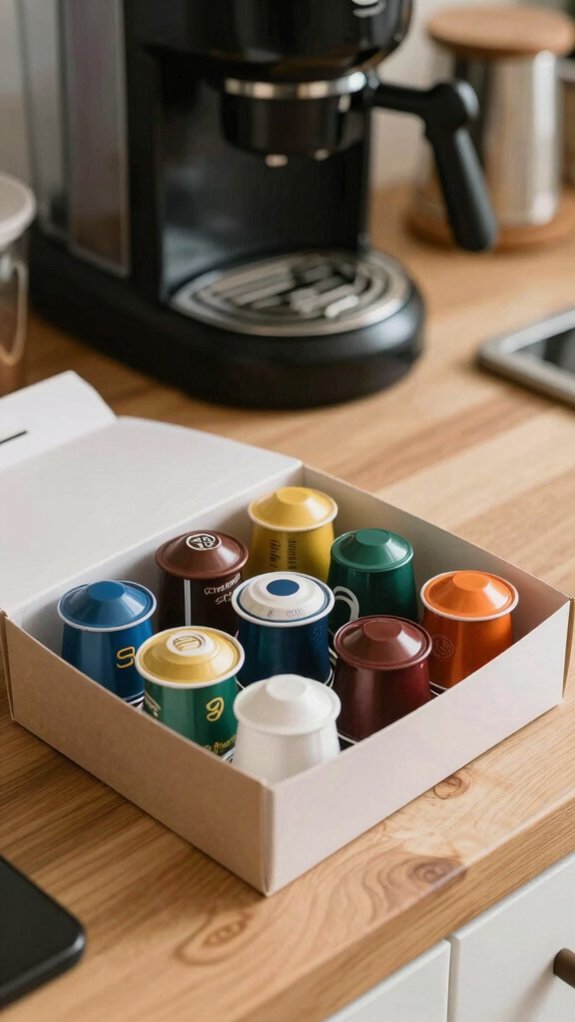
While coffee pods don’t typically “expire” in the sense of becoming unsafe, they can go bad in terms of flavor and freshness, especially if stored poorly or kept too long past their best‑by date.
If the seal is still intact and the pod shows no damage, it’s usually safe to consume well past that date. Most coffee pods expire in quality, not safety, thanks to being hermetically sealed with nitrogen to lock in flavor and aroma.
Flavored pods fade faster due to added oils.
For best results, practice proper storage, keep them away from moisture and heat so they stay fresh. A compromised seal? Toss it.
How long do sealed coffee pods last
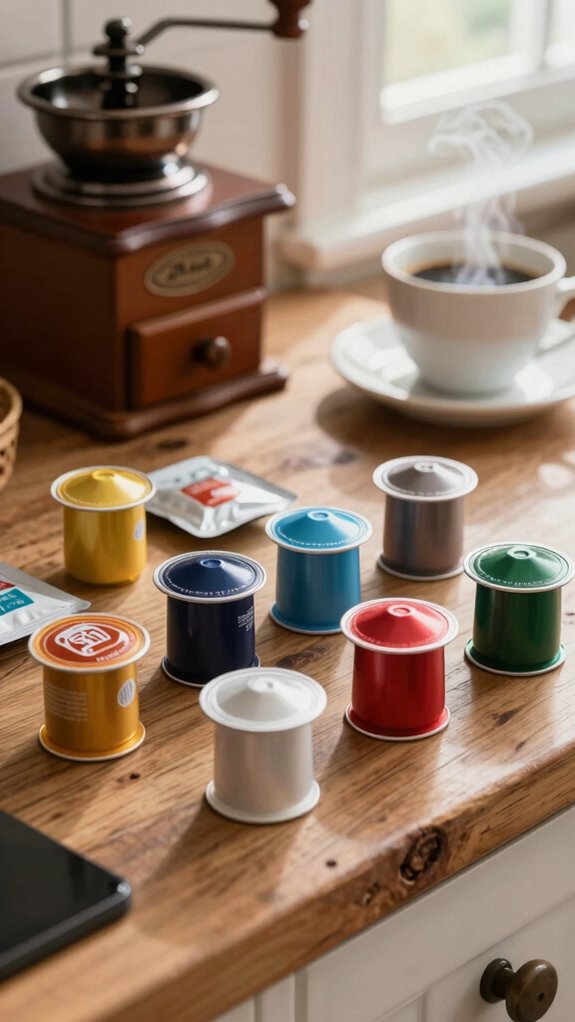
Generally, sealed coffee pods keep their best flavor for 8 to 12 months if they’re plastic or K-Cup style, and up to 18–24 months if they’re made of aluminum, like Nespresso capsules.
This is the coffee pods shelf life you can expect when stored properly. The “best by date” reflects peak quality, not food safety, sealed coffee pods often remain safe well past that date.
Compostable pods, however, have a shorter shelf life sealed pods due to more air-permeable materials (6–9 months).
Flavor degradation accelerates with heat or moisture, so opt for storage cool dry. Always check packaging integrity, discard any swollen or dented pods.
Best-by dates versus true expiration dates
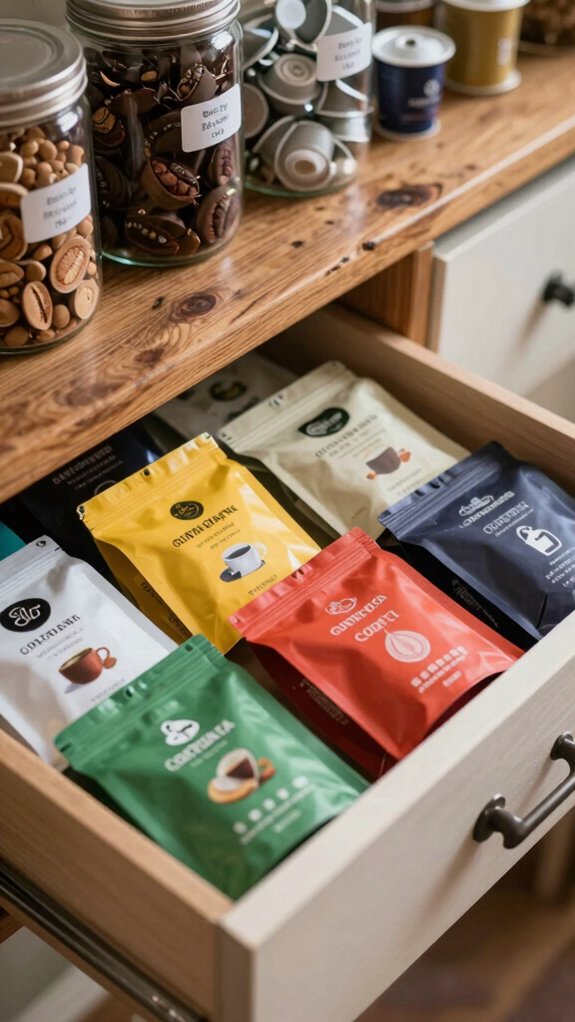
You’ve probably noticed that little “best by” date stamped on your coffee pods and wondered, does this mean they’ll go bad if I use them after?
Best-by dates aren’t expiration dates. They reflect peak flavor quality, not safety. Most pods are nitrogen-flushed and hermetically sealed, preventing microbial growth, so they rarely carry true expiration date warnings.
- Aluminum capsules last longer (18–24 months) than compostable pods (6–12 months) thanks to better protection against moisture and light.
- With proper storage(cool, dry), pods often stay safe well past the date.
But always check for damaged seals. If a pod looks bloated or torn, toss it, air exposure ruins flavor quality and safety, no matter the date.
What are signs coffee pods went bad
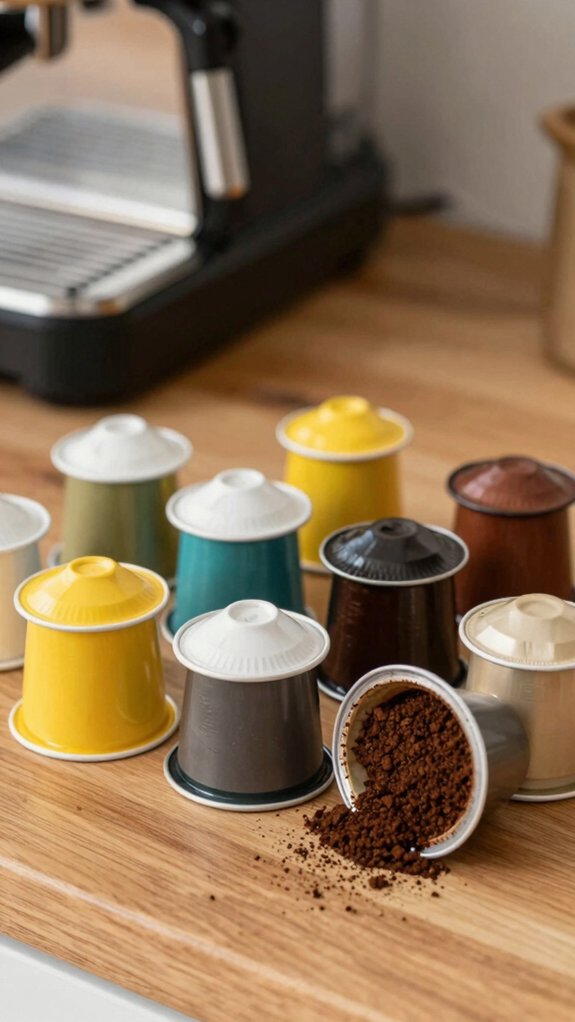
Sometimes, even with careful storage, coffee pods can go bad, and spotting the warning signs early keeps your brew safe and satisfying.
Trust Your Senses: Key Spoilage Clues
- Bulging pods or swollen packaging? That’s a broken seal, toss it.
- See visible mold clumping grounds, or wet grounds? Moisture’s in; spoilage is likely.
- Soft/dented pods or discoloration? Compromised integrity, even pre-best by date.
- An off aroma (musty, sour) or off-taste/stale brew? Flavors have oxidized.
According to a 2022 NSF study, 1 in 5 coffee pod users ignored packaging flaws, don’t be one.
Freshness isn’t just taste; it’s safety.
Is it safe to drink expired pods
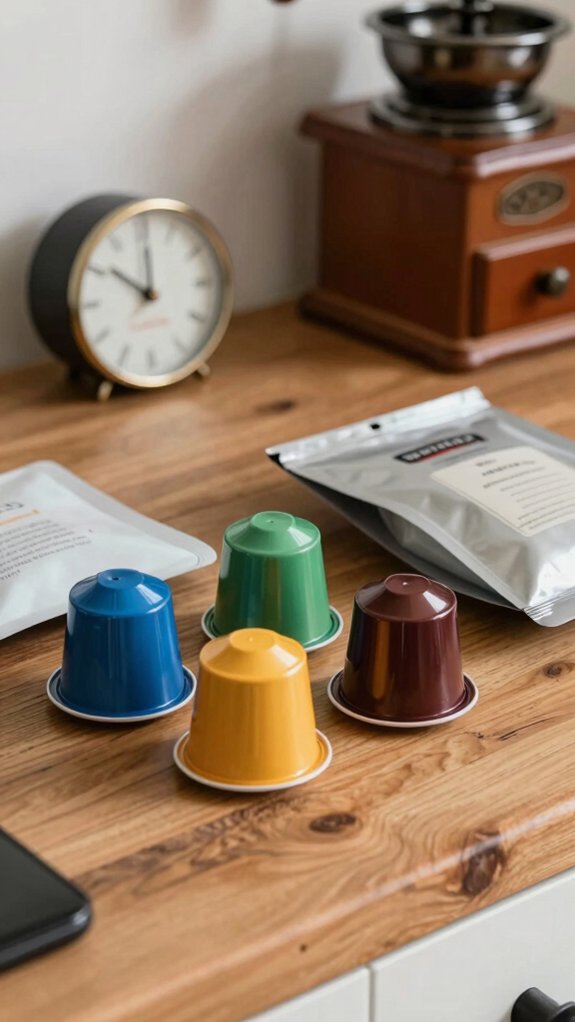
While that “best by” date might make you pause, I’ll let you in on a little secret: your coffee pods aren’t automatically unsafe the day they expire, most are perfectly fine to brew well past that date, as long as the seal’s still intact.
The shelf life of coffee pods depends on sealed packaging and storage conditions. Expired pods may lose flavor, expect flat or bitter notes but caffeine stays stable. Safety hinges on inspecting each pod: discard if you spot mold risk signs like bloating, punctures, or sour smells.
Plastic K-Cups last 8–12 months; aluminum Nespresso, up to 24. Always check before brewing, your taste buds (and stomach) will thank you.
Storage tips to keep pods fresh
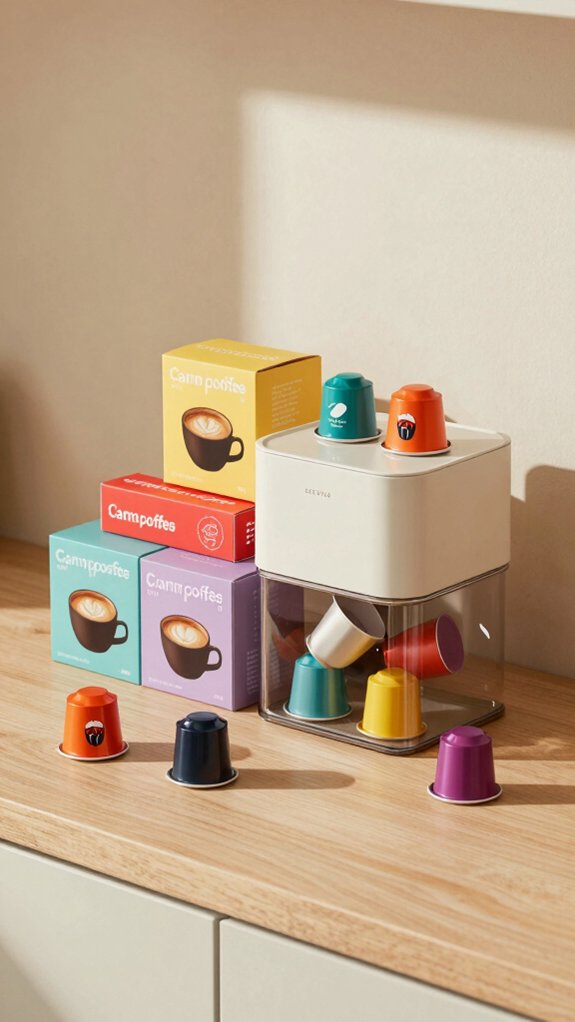
Most of the time, keeping coffee pods fresh comes down to one simple rule: protect the seal.
For best coffee pods storage, keep them in a cool dry place, ideally 60–70°F, and keep away from heat like your stove or coffee maker.
Always store in original packaging or an airtight container to block light and oxygen.
Aluminum capsules last 18–24 months when sealed, but compostable pods are more sensitive; use within 6–9 months and avoid moisture at all costs.
Rotate stock (first in, first out) so none sit too long.
Before brewing, inspect seals for dents, bloating, or tears, any flaw can let air in and ruin flavor.
Freshness differences by brand and pod type
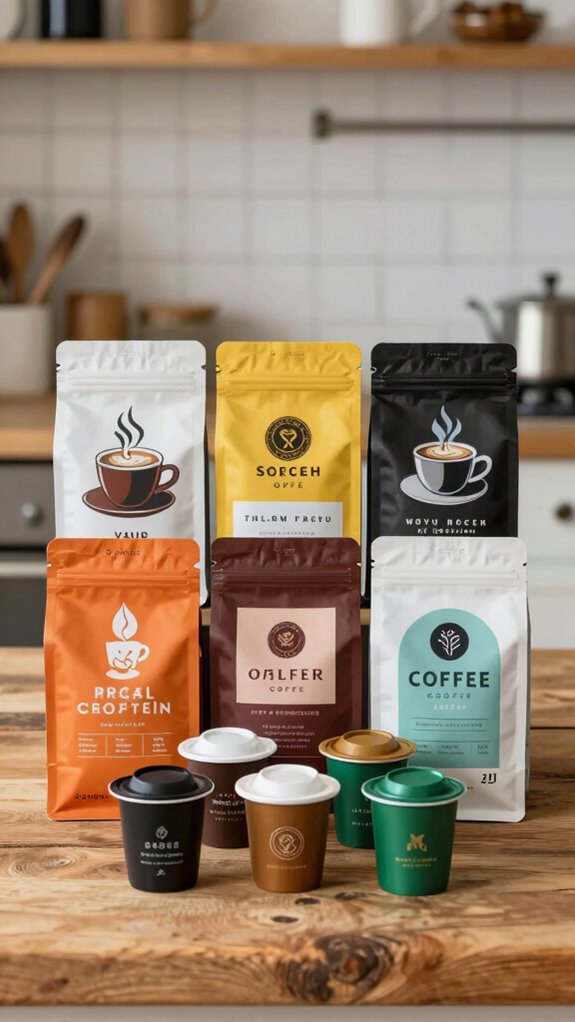
Not all coffee pods stay fresh the same way or for the same amount of time, your brew’s flavor lifespan depends heavily on the brand and pod type you’re using.
Freshness by Pod Type
Aluminum Nespresso pods lead in shelf life (18–24 months) thanks to excellent moisture protection and nitrogen flushing. K-Cups, usually plastic, last 8–12 months but are more prone to humidity. Compostable pods, while eco-friendly, offer just 6–9 months due to higher air permeability.
Flavored pods also degrade faster, aim to use them within 6–9 months for peak freshness. Always check the best‑by date, but remember: under ideal storage conditions, sealed coffee pods often remain enjoyable beyond it.
Frequently Asked Questions
Can You Use 2 Year Old Coffee Pods?
Yeah, I can use 2-year-old coffee pods if the seal’s intact and there’s no mold or weird smell. They’re safe, but the flavor’s probably faded, especially if they’re plastic or compostable. I always check for damage first.
How Long Do Coffee Pods Last in Storage?
I’ve found coffee pods last 8–24 months in storage, depending on type. Mine stay fresh longest when I keep them sealed, cool, dry, and dark, though flavored ones fade faster, so I use those first.
Do Coffee Pods Really Go Bad?
One in four coffee pods still taste great a year past their date, if sealed tight. I’ve brewed old ones safely, but if they’re bloated or smell sour, I toss them. Freshness fades, but safety lasts.
How Do You Know if Coffee Pods Are Bad?
I check for puffing, dents, or tears in the pod, if it smells musty or looks moldy, I toss it. Stale taste, weak crema, or bitterness after brewing tells me it’s gone bad.
In Conclusion
Yes, coffee pods can “go bad” in flavor, but not usually in safety. Think of them like a time capsule for freshness: once that seal breaks or the date fades, the magic fades too. Stick to cool, dry storage, trust your nose over dates, and toss any suspicious pods.
Most folks (83% per National Coffee Association) brew within a year, smart move. Freshness isn’t forever, but with care, every cup can still sing.