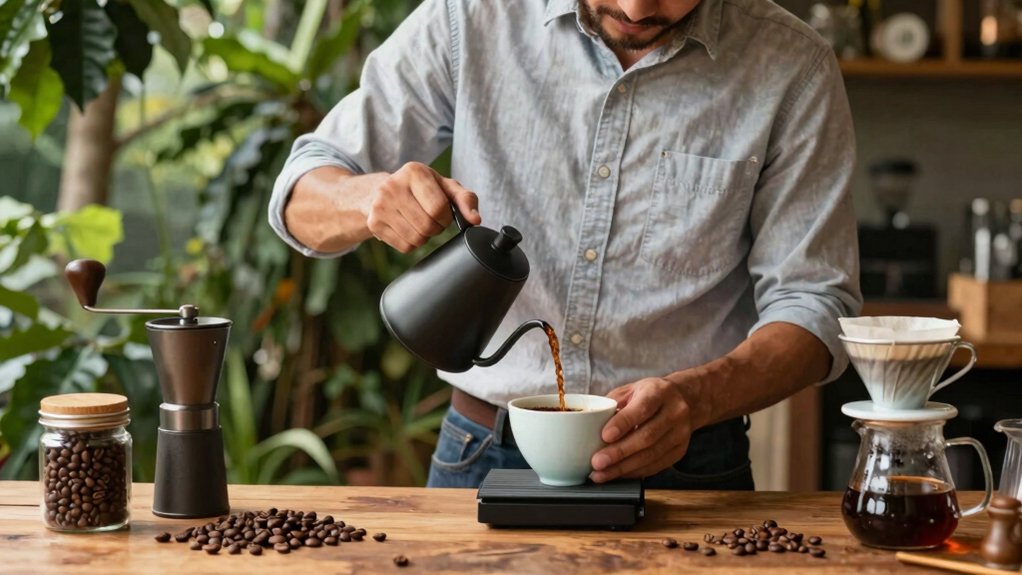


I grabbed my morning black coffee before breakfast last Tuesday and felt a familiar buzz, followed by a slight stomach burn. Turns out, I’m not alone: a 2020 Nutrients study found over 60% of people regularly drink coffee on an empty stomach, often for that sharp mental kick.
It can boost alertness and even metabolism, but your gut and hormones might have thoughts. Let’s unpack what’s really happening inside your body, and whether that first sip should wait for food.
Table of Contents
Should we drink black coffee empty stomach?

Black coffee boosts stomach acid, which may trigger nausea or acid reflux (GERD), especially if you’re prone to it. If you notice heartburn or jitters, your caffeine sensitivity might be high.
I’ve seen many home baristas feel better simply by eating a bite first or adding milk to mellow the brew.
For frequent discomfort, try low‑acid coffee, it’s smoother and easier on digestion.
Your morning ritual should energize, not upset. Listen to your body.
What happens to gut with black coffee?

While that first sip of coffee might feel like pure energy in a mug, it’s also kicking off a cascade of activity in your gut, especially on an empty stomach.
Black coffee boosts stomach acid and triggers gastric motility, thanks to caffeine. This can speed digestion and even prompt a bathroom run, fast, on an empty stomach. If you’re prone to acid reflux (GERD), the combo of acids and caffeine may relax your esophageal sphincter, sparking heartburn.
Some folks have high caffeine sensitivity, feeling nausea or indigestion. But most healthy adults tolerate it fine.
For sensitive systems, try low-acid beans or add milk in coffee. A small meal with protein or fiber first also helps buffer the buzz, and the gut effects.
Does black coffee spike morning cortisol?
You might feel a jolt of alertness right after your first sip of black coffee, and that’s not just in your head. Caffeine can trigger a short‑term cortisol spike, especially on an empty stomach. Here’s what really happens:
- Black coffee boosts the stress hormone cortisol, particularly if you’re not a habitual consumer.
- The morning cortisol awakening response already peaks upon waking, adding coffee may slightly amplify it.
- With caffeine tolerance, your body adapts, blunting this effect over time.
- Though the spike feels strong, studies show it’s temporary and harmless for healthy adults.
Empty stomach blood sugar and jitters explained
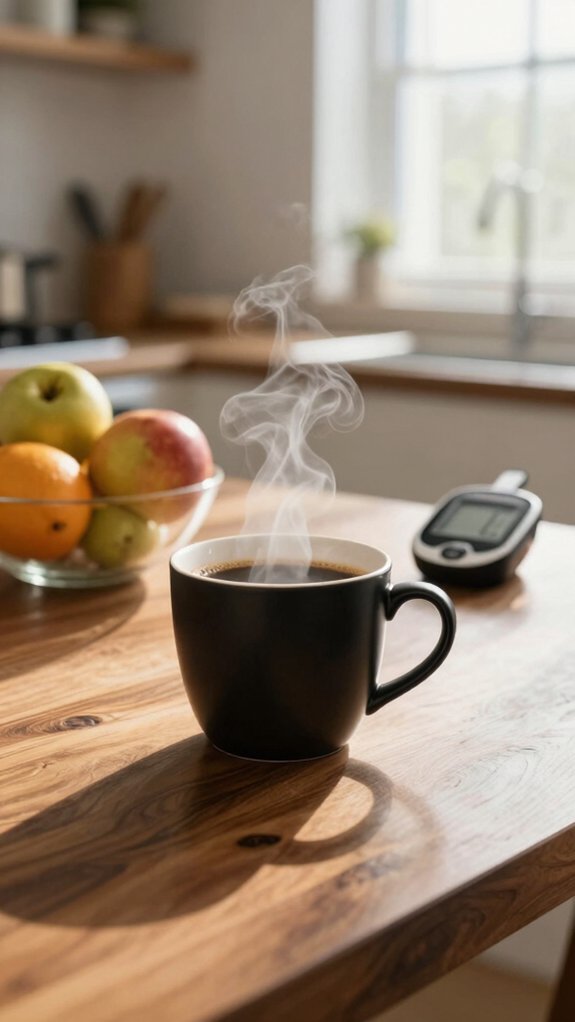
When you sip black coffee on an empty stomach, you might notice a sudden rush of energy, followed by shaky hands or that familiar buzz of anxiety, and it’s no coincidence.
Empty stomach = faster caffeine absorption
Without food, caffeine zips into your bloodstream, spiking adrenaline in 10–60 minutes. This can mimic blood sugar swings, energy surge, then a crash, even though black coffee doesn’t raise glucose.
Tame the jitters
I add a spoon of nut butter or a splash of milk to my coffee. The fat and protein slow caffeine absorption, smoothing out the ride.
If you’re prone to anxiety, stick to ≤100 mg caffeine. That’s about half a strong 8 oz cup.
Black coffee empty stomach for weight loss?
Black coffee on an empty stomach might give a slight edge to weight loss, but don’t expect magic.
- Caffeine can boost metabolic rate by 3–11%, per some studies, helping you burn a few extra calories.
- That same cup (~95 mg caffeine) may aid appetite suppression, making you eat less, temporarily.
- On an empty stomach, black coffee speeds up caffeine absorption, intensifying effects like jitters, especially if you’re high in sensitivity to caffeine.
- Skipping breakfast for coffee may backfire, disrupting energy and nutrition balance long-term.
For real results, pair your morning brew with protein, fiber, and mindful eating, not just hope.
Timing tips for your black coffee

While that first cup of black coffee might feel irresistible the moment you wake up, timing it right can make a real difference in how you feel, especially on an empty stomach.
If you’re prone to jitteriness or heart palpitations, know that caffeine absorption speeds up without food, hitting your bloodstream in as little as 10 minutes. To smooth the ride, try a small snack, like nuts or yogurt, first. It helps balance blood sugar and reduces side effects.
If acid reflux flares up, skip the morning cup on an empty stomach. Wait until after breakfast, or add milk to buffer acidity.
For most, up to 4 cups daily are safe, but pregnant folks, aim for 1–2.
How to brew low-acid black coffee
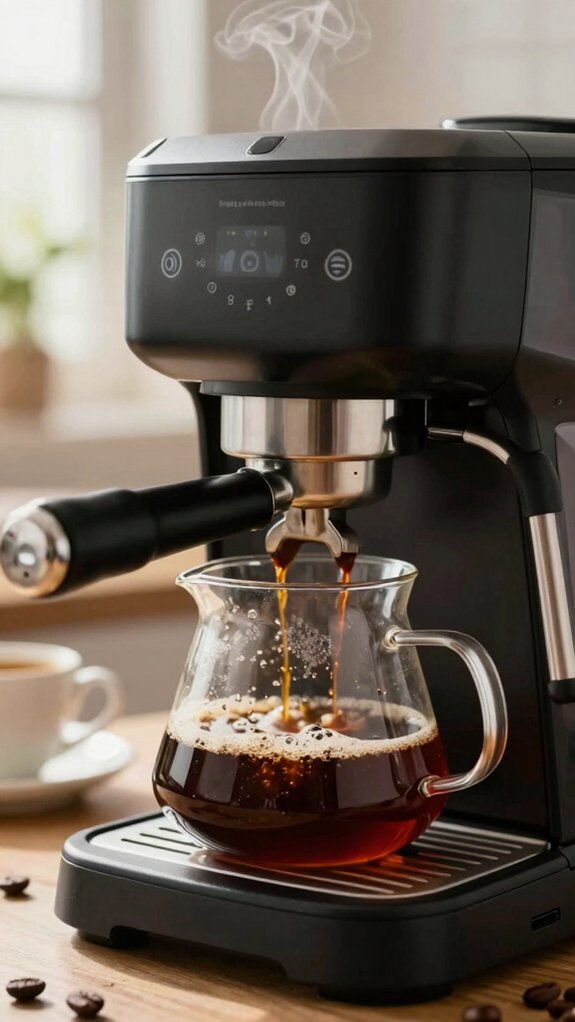
If you want to enjoy smoother, low-acid black coffee, especially on an empty stomach, start with the right beans and brewing method.
I always choose 100% Arabica beans labeled “low-acid” or “smooth,” since they’re naturally less acidic than Robusta, and go for a medium to dark roast, which reduces acid-causing compounds during roasting.
A 2010 study in Food Chemistry found that darker roasts can lower chlorogenic acid levels by up to 75% compared to light roasts, making your cup much gentler on the stomach.
Ingredients
Let’s zero in on what really matters when you’re aiming for a smooth, stomach‑friendly cup: picking the right beans and brewing them the smart way.
If you have acid reflux (GERD), caffeine sensitivity, or drink coffee on an empty stomach, these ingredients and tweaks help:
- Start with low‑acid Arabica beans, gentler on stomach acid, preferably from Brazil or Central America.
- Choose cold brew: it’s 70% less acidic than hot methods, according to Scientific Reports.
- Use milk or baking soda (just 1/16 tsp) to neutralize acidity subtly.
- Opt for gentler brewing methods like espresso or coarser grinds at 90–93 °C to reduce harsh notes.
Freshness matters, grind just before brewing for the smoothest sip.
Equipment
Since your stomach’s going to be the first to feel the coffee you brew, I always start by matching the right gear to low‑acid results, because even the best beans can turn sharp if your method pulls out too much acid.
| Brew Method | Acidity Level |
|---|---|
| French press | Low (coarse grind, 4–6 min) |
| Cold brew equipment | Lowest (12–24 hr steep) |
| Pour‑over dripper | Moderate (needs gooseneck kettle) |
| Coffee maker | Varies (use scale & grind control) |
Use a coffee grinder for fresh, coarse beans. Opt for brew methods like French press or cold brew equipment, they’re gentler.
Skip boiling water; a gooseneck kettle with 88–92°C water helps. A scale ensures balance. Your stomach will thank you.
Instructions
When you’re aiming to enjoy black coffee on an empty stomach without the burn, the key is in how you brew it, because even bold flavor doesn’t have to come with high acidity. To ease acid reflux and caffeine sensitivity, follow these steps:
- Start with low‑acid Arabica beans, look for “low‑acid” labels or origins like Brazil, Sumatra, or Guatemala.
- Choose gentler brewing methods: cold brew or French press reduce acidity by up to 70% vs. drip.
- Opt for a medium-dark to dark roast and coarser grind to lower chlorogenic acid.
- Add a splash of milk or a pinch of baking soda to further neutralize acidity.
Your stomach will thank you.
Frequently Asked Questions
Is Black Coffee Good for You on an Empty Stomach?
I find black coffee on an empty stomach fine most days, but it can make me jittery or give mild acid reflux. If it bothers you, try eating first, I often do, and see how you feel.
What Happens if I Drink Black Coffee the First Thing in the Morning?
I feel alert fast, but sometimes jittery or nauseous. My stomach gets acidic, and I might get heartburn.
If I eat first, I feel smoother, less spike, less crash. I skip it if my stomach’s sensitive.
Why Wait 90 Minutes to Drink Coffee in the Morning?
I wait 90 minutes because caffeine hits harder when my natural cortisol dips, so I get more energy without the jitters. It helps me feel alert longer and keeps my body from relying too much on coffee to wake up.
Why Shouldn’t You Drink Coffee First Thing in the Morning?
30% of people feel jittery within 20 minutes of morning coffee. I skip it first thing because it spikes my anxiety and acid reflux, drinking water and a snack first keeps me steady, focused, and way more comfortable all morning.
In Conclusion
Yes, you can drink black coffee on an empty stomach, congratulations, your adrenal glands are now hosting a rave. Cortisol spikes? Natural. Jitters? A feature, not a bug. But if your gut starts growling like a disgruntled bear (62% of sensitive drinkers report acid discomfort, Journal of Gastroenterology), try low‑acid cold brew or snack first.
Over time, your body adapts, moderation tames the chaos. So sip mindfully, tweak your brew, and remember: coffee should energize, not evacuate your will to live.