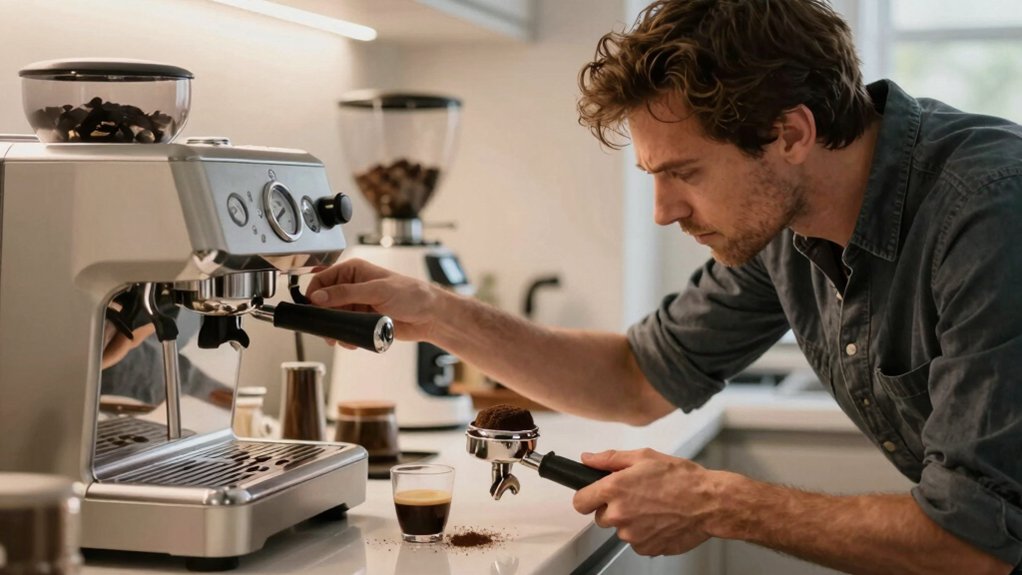


According to the National Coffee Association, over 70% of Americans drink coffee daily, yet a 2022 study published in the Journal of Food Science found that most consumers store their coffee grounds improperly, causing them to lose up to 60% of their flavor compounds within just two weeks of opening. If you’ve ever wondered whether those coffee grounds sitting in your pantry are still good to use, or why your morning cup doesn’t taste as bold as it once did, you’re not alone-this is one of the most common concerns among coffee enthusiasts and casual drinkers alike.
The truth is that coffee grounds can absolutely go bad, and understanding their shelf life is crucial for anyone who wants to enjoy consistently great-tasting coffee. In this post, we’ll explore how long different types of coffee grounds last, the warning signs that indicate they’ve gone bad, the best storage methods to extend their freshness, and whether it’s safe to use expired grounds. Whether you’re a daily coffee drinker or an occasional sipper, you’ll discover practical tips to maximize flavor and avoid waste.
Table of Contents
Can coffee grounds go bad or expire?
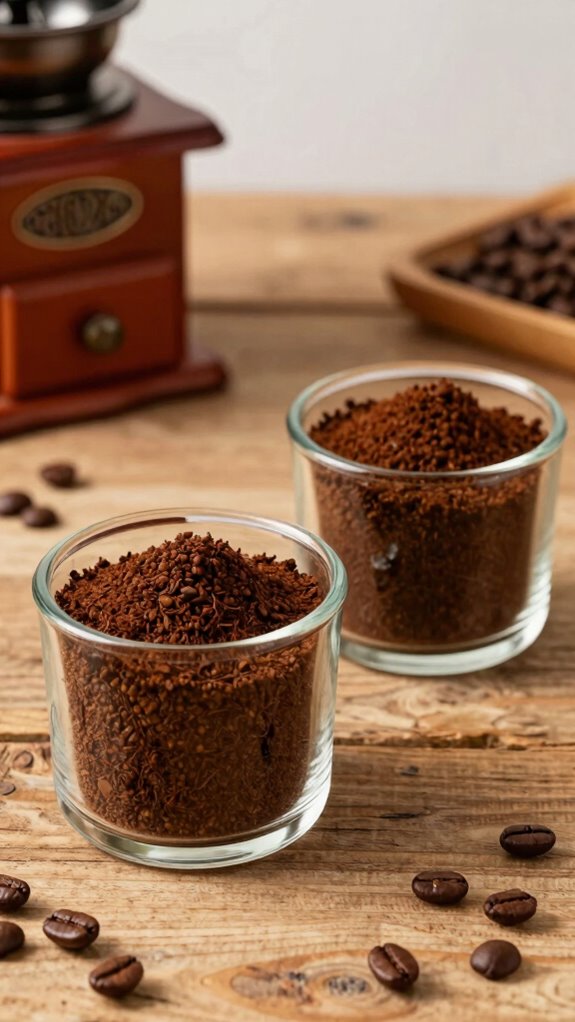
Can coffee grounds go bad? Absolutely.
While ground coffee doesn’t typically become unsafe, it definitely loses its peak flavor quickly. Most aroma compounds drop around 30% within just 8 days after opening.
Your coffee’s roast date matters more than a printed expiration date. Store ground coffee in an airtight container in a cool, dry place to maintain freshness.
Watch for signs of staleness like musty odors or visible mold. Freezer storage can extend shelf life, but once opened, plan to use your grounds within two weeks for the best taste experience.
How long do coffee grounds last
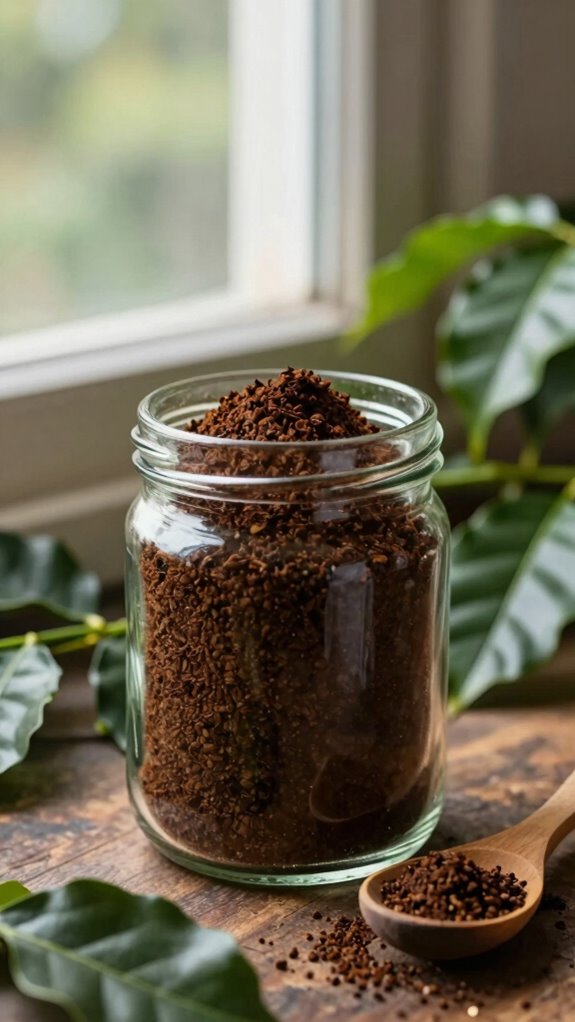
Ground coffee typically lasts anywhere from 1–5 months, depending on storage conditions and whether the package remains sealed or has been opened.
An unopened bag can retain good flavor for about 3–5 months past its roast date when stored properly in an airtight container away from heat and moisture.
Once opened, ground coffee‘s freshness declines quickly.
You’ll notice flavor degradation within 8–10 days, with significant quality loss by two weeks.
Freezing can extend shelf life to 6–12 months, but some aromatic qualities will still diminish.
Always check for signs of spoilage like mold, clumping, or off-odors before brewing.
How to store coffee grounds properly

Preserving the rich, aromatic essence of coffee starts with smart storage strategies that protect your grounds from flavor-degrading elements.
Store ground coffee in an airtight, opaque container like glass or stainless steel, keeping it in a cool, dark pantry away from heat sources.
Leave coffee in its original vacuum-sealed bag with a one-way valve until opening, then transfer to a smaller container to minimize air exposure.
For extended freshness, freeze in an airtight bag, removing excess air.
Use within 1–2 weeks to prevent oxidation and flavor loss, and always check for musty smells or visible mold before brewing.
Signs your coffee grounds went bad
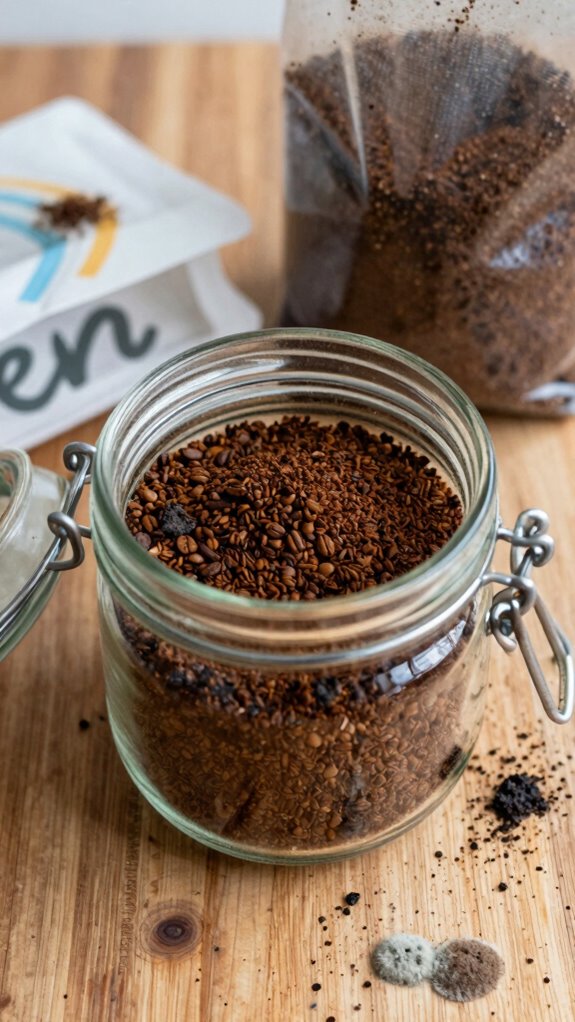
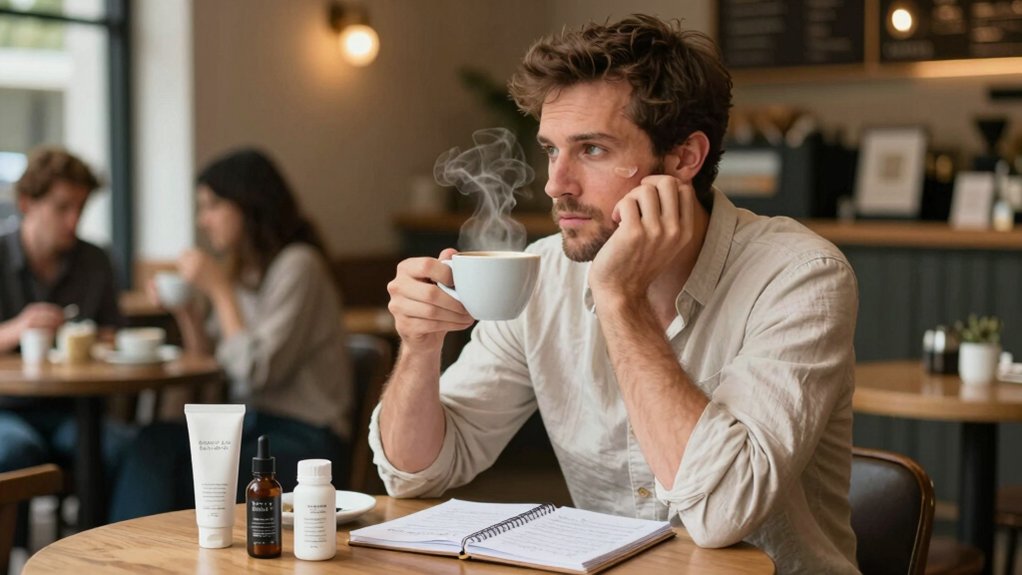
Ever wondered how to tell if your coffee grounds have gone bad? I’ve got the insider scoop on spotting spoiled ground coffee. Look for key warning signs: loss of aroma within a week, with grounds smelling flat or dull.
Watch for sour, musty odors that suggest mold growth-a clear signal to discard immediately. Visible mold patches (white, green, or fuzzy) mean contamination.
Check for clumping or dampness, which indicates humidity absorption. When brewed, stale grounds produce an off taste-think cardboard or rancid flavor.
Proper airtight storage helps, but always trust your senses when evaluating coffee quality.
Using expired grounds safely and wisely
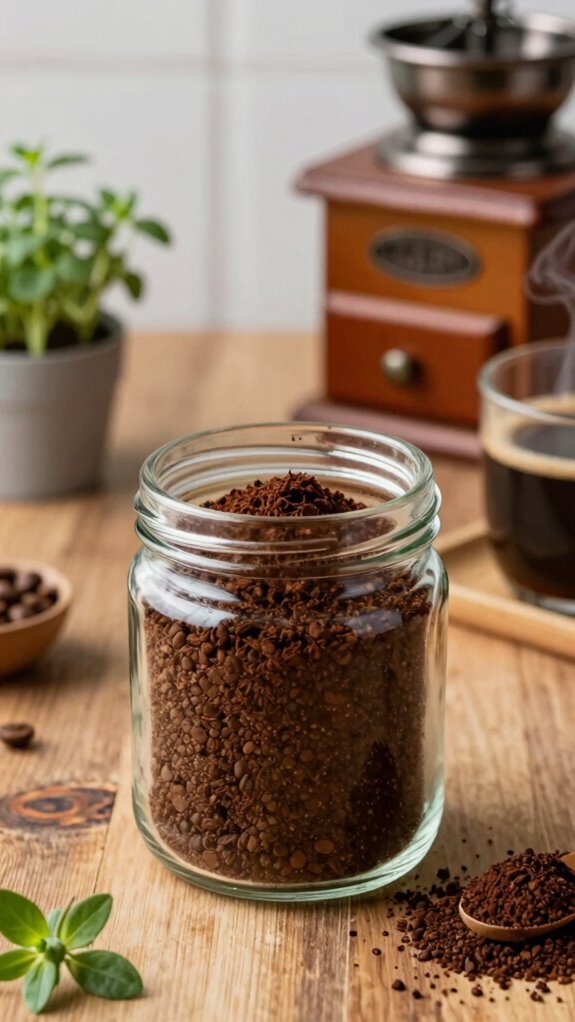
Let’s breathe new life into those slightly past-their-prime coffee grounds instead of tossing them out! Even if your ground coffee has lost its brewing quality, don’t automatically trash it. Always do a smell test first to distinguish between stale and truly spoiled grounds.
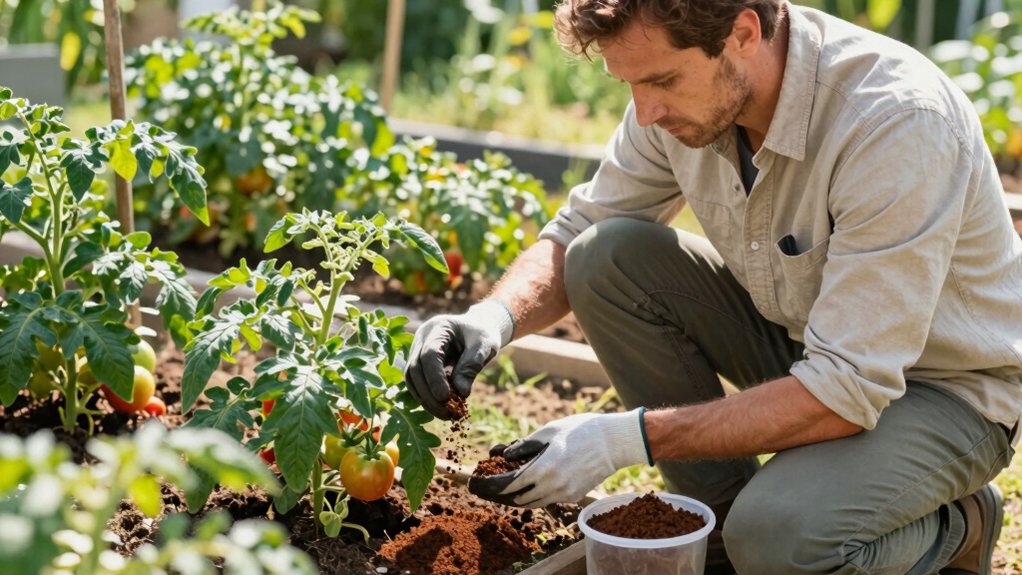
Stale but non-moldy grounds can be repurposed brilliantly – try using them in your garden as nutrient-rich compost, as a natural deodorizer, or even in DIY body scrubs. If grounds are stored properly in an airtight container and show no signs of moisture or mold, they’re still valuable.
Freezing can extend their shelf life, giving you more time to get creative with these versatile little gems.
Should I freeze or refrigerate grounds?
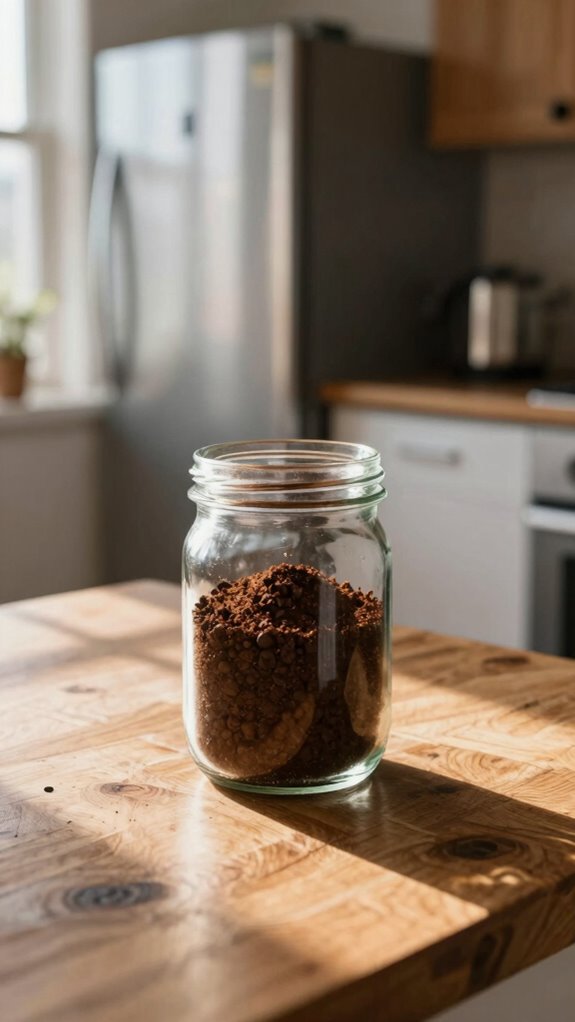
When it comes to storing coffee grounds, freezing can be a smart preservation strategy, but refrigeration is a no-go. To freeze ground coffee effectively, use vacuum-sealed bags or moisture-proof containers, portioning before freezing to minimize freeze-thaw cycles.
| Freezing Do’s | Freezing Don’ts |
|---|---|
| Vacuum-seal | Open containers |
| Small portions | Large batches |
| Room temp thaw | Direct exposure |
| Airtight storage | Repeated thawing |
| Minimal air | Moisture contact |
Thaw sealed bags at room temperature to prevent condensation. While freezing extends shelf life up to two years, remember: freshly ground beans always taste superior to frozen grounds.
Used grounds, mold risks, and timing
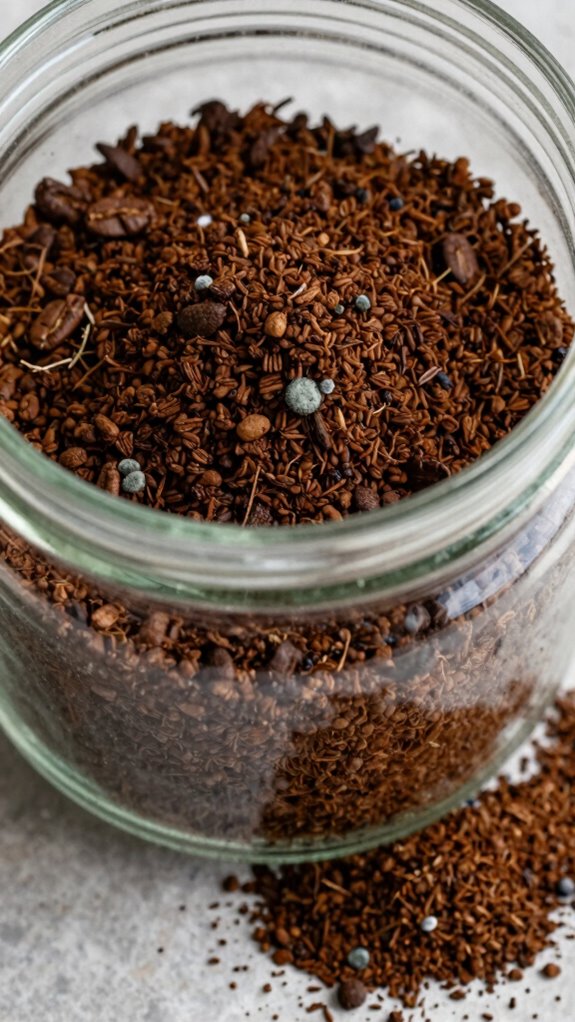
While freezing coffee beans helps preserve their freshness, used coffee grounds present a different storage challenge-they’re a breeding ground for mold and bacteria if not handled correctly.
After brewing, grounds become vulnerable to microbial growth within 24-48 hours, especially in warm, humid environments. To safely store used grounds for composting or other purposes, spread them thin to dry quickly or refrigerate in an airtight container.
Watch for visible mold, spoilage odor, or fuzzy patches-these are clear signs of contamination. Freezing dried used grounds can halt bacterial growth, but always inspect before reusing.
Frequently Asked Questions
Can I Use 2 Year Old Coffee Grounds?
I wouldn’t recommend using 2-year-old coffee grounds. They’ll taste stale and flat. If they’re unopened and vacuum-sealed, I’d cautiously test-brew a small batch, but discard if it smells off or tastes rancid.
How Do You Know if Coffee Grounds Have Gone Bad?
Forsooth, I check my grounds’ aroma, look for mold, clumps, or moisture, and taste a small brew. If it smells musty, looks discolored, or tastes off, I’ll toss ’em-they’ve gone bad and aren’t safe to use.
What Is Coffee Ground Sickness?
I want to clarify that “coffee ground sickness” isn’t a real medical condition. It’s often a misunderstood term referring to potential health risks from moldy or contaminated coffee grounds that could cause gastrointestinal discomfort or allergic reactions.
Is It Okay to Drink 3 Year Old Coffee?
Like a faded photograph losing its vibrant colors, 3-year-old coffee’s lost its charm. I wouldn’t recommend drinking it. It’s likely tasteless, potentially rancid, and while not toxic if sealed, you’ll be disappointed by its stale, flat flavor.
In Conclusion
Coffee grounds can indeed go bad, losing their vibrant flavors and aromatic oils over time when exposed to air, moisture, or heat. By storing them in airtight containers away from light and humidity, you’ll extend their shelf life and preserve that fresh-roasted quality we all crave. Whether you’re using pre-ground coffee or grinding your own beans, proper storage makes all the difference between a mediocre cup and an exceptional brew.
Ready to elevate your coffee experience even further? The right storage is just one piece of the puzzle-pairing quality grounds with a reliable coffee machine ensures consistently delicious results. Browse through our coffee machine reviews to discover well-tested options that match your brewing style and help you make the most of every precious ground.