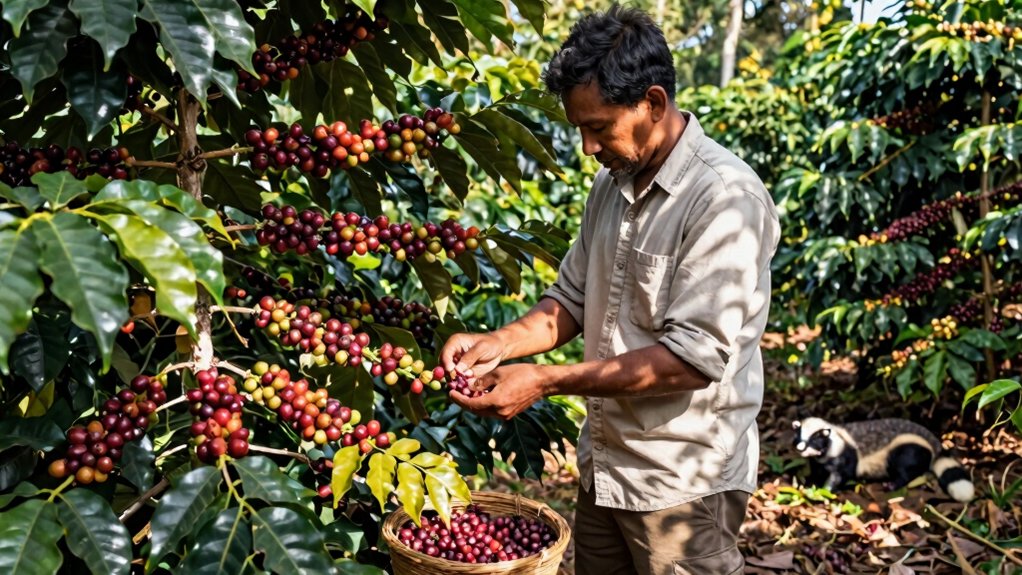


A 2022 study published in the European Journal of Preventive Cardiology, analyzing data from over 450,000 participants, found that consuming 2-3 cups of coffee daily was associated with a 27% reduction in cardiovascular mortality compared to non-coffee drinkers. Similar research from the Annals of Internal Medicine reinforced these findings, showing significant decreases in all-cause mortality among moderate coffee consumers. Yet despite these impressive statistics, most people remain confused about whether their daily coffee habit is truly beneficial or potentially harmful-and more importantly, whether there’s an optimal amount and timing to maximize these longevity benefits.
This post will unpack the science behind coffee’s life-extending potential, examining the proven intake levels that show the most promise, the best times to consume coffee for maximum health benefits, and the critical factors that determine whether your coffee ritual is working for or against your longevity goals.
Table of Contents
Can coffee extend your life, really?

Although it might sound too good to be true, scientific research suggests coffee can indeed help extend your life-but with some important caveats.
Large observational studies reveal that coffee consumption can lower all-cause mortality, with morning-only drinkers experiencing a striking 16% reduced risk. The timing matters tremendously: drinking moderate amounts (2–3 cups) of caffeinated or decaffeinated coffee in the morning aligns with healthy circadian rhythms and prevents sleep disruption. Interestingly, cardiovascular death risks drop by 31% for morning coffee lovers. Just remember, these findings come from observational studies, so while promising, they’re not definitive proof of a magic longevity elixir.
How many cups boost lifespan safely?

If you’re wondering how many cups of coffee can actually help extend your life, science points to a sweet spot of 2–3 cups per day.
Large observational studies suggest moderate coffee consumption can boost mortality benefits:
- Sip your morning brew with confidence
- Enjoy caffeinated or decaffeinated options
- Stay within the safe 2–3 cups range
The research reveals fascinating insights: beyond light coffee intake, these cups can potentially add nearly two years to your lifespan.
But beware – exceeding 4–6 cups might introduce health risks like cardiovascular complications or anxiety.
Individual factors matter, so listen to your body and consult healthcare professionals about your specific coffee tolerance.
Does decaf count for longevity gains?
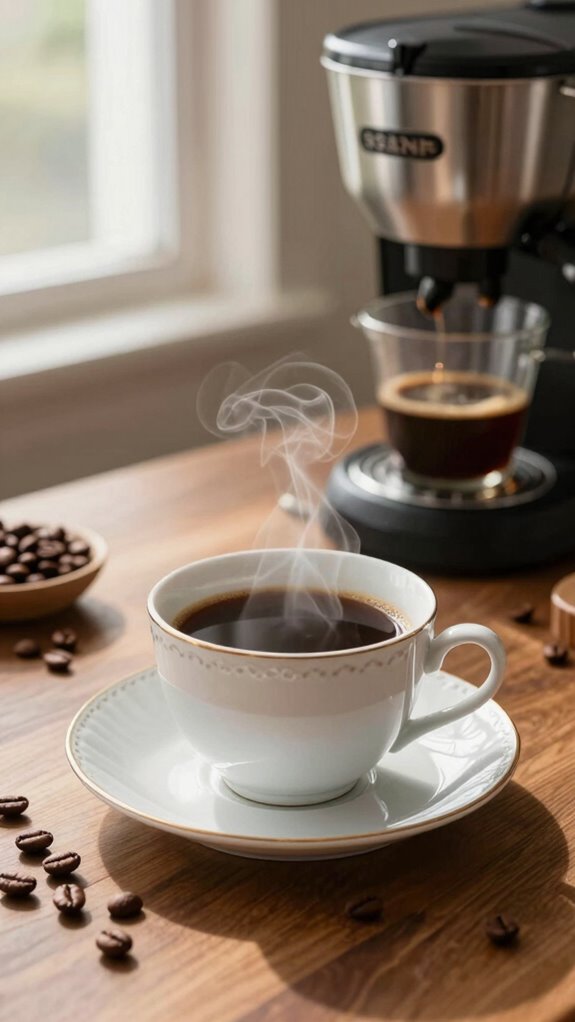
Decaf coffee lovers can rejoice: your morning cup absolutely contributes to potential longevity gains, just like its caffeinated counterpart. Large observational studies like NHANES reveal decaffeinated coffee shares similar all-cause mortality benefits, reducing risk by 15-30%.
The magic isn’t just in caffeine, but in powerful bioactives like chlorogenic acids and polyphenols that support cardiovascular health. Even better, decaf allows you to enjoy coffee’s perks without circadian disruption, making it an excellent choice for later-day sipping.
While more research is needed, current evidence suggests your decaf habit might just help you live longer.
Add-ins and brewing choices that matter
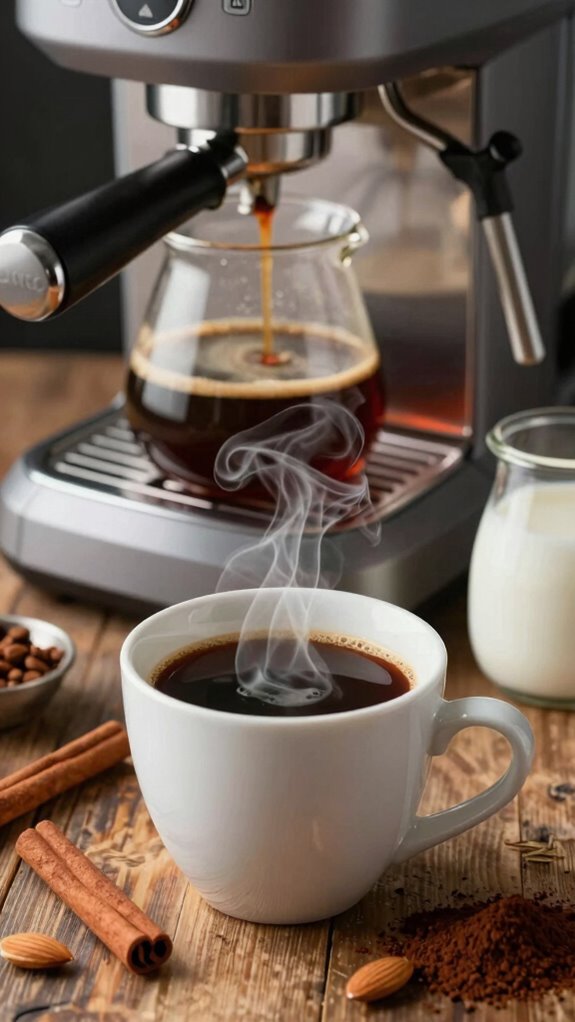
Not all coffee is created equal, and the way you customize your cup can dramatically impact its potential health benefits. Your brewing and add-in choices significantly influence coffee’s longevity-boosting properties. Consider these key strategies:
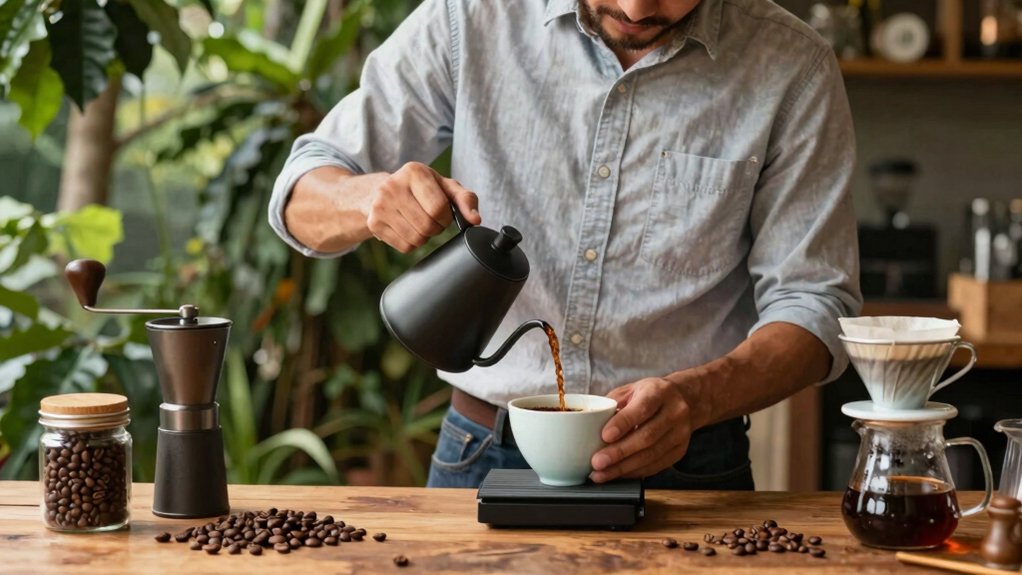
- Use paper filters to remove cholesterol-raising cafestol
- Choose low-fat milk or unsweetened plant alternatives over high-calorie creamers
- Limit added sugar to preserve polyphenol benefits
Whether you prefer caffeinated or decaffeinated, the serving size matters most. Stick to 2-3 cups daily, avoiding excess calories and saturated fat. Smart brewing techniques and mindful additions can transform your daily cup from a simple beverage into a potential wellness elixir.
Morning coffee timing and heart health
At sunrise, when you’re sipping that first cup of coffee, you might be doing more than just waking up-you could be protecting your heart.
A massive NHANES cohort study reveals morning coffee drinkers enjoy significant cardiovascular benefits: 31% lower risk of heart-related mortality.
Moderate intake (2–3 cups) of both caffeinated and decaffeinated coffee showed remarkable heart health advantages.
Critically, timing matters-all-day coffee consumption might actually negate these protective effects. Why? Afternoon and evening coffee can disrupt circadian rhythms, potentially increasing inflammation and blood pressure risks.
Your morning brew isn’t just a ritual; it’s a potential longevity booster.
Why coffee might lengthen your lifespan
Longevity lurks in your coffee mug, with scientific evidence revealing how this beloved beverage might actually extend your life. Large observational studies like NHANES suggest coffee’s potential to reduce all-cause mortality, particularly with morning-only consumption.
The magic happens through key health-boosting elements:
- Potent antioxidants neutralizing cellular damage
- Anti-inflammatory compounds protecting cardiovascular health
- Optimal intake of 2-3 cups daily promoting longevity
NHANES research indicates morning coffee could lower cardiovascular mortality by roughly 31%, highlighting the critical role of timing in maximizing health benefits. While these findings aren’t definitive proof, they’re promising indicators that your daily brew might just help you live longer.
Who should limit coffee, and when?
While coffee offers incredible health benefits, it’s not a one-size-fits-all beverage, and certain groups need to be strategic about their caffeine consumption.
High blood pressure patients should consult clinicians before increasing intake, as two or more daily cups might elevate cardiovascular risk.
Pregnant individuals should limit caffeine to 1-2 cups daily to prevent potential complications.
Those with insomnia or anxiety disorders should prioritize morning coffee and avoid afternoon consumption.
Slow caffeine metabolizers, individuals on specific medications, or those experiencing adverse reactions should carefully monitor their coffee intake to support overall health and well-being.
Frequently Asked Questions
Does Coffee Really Help You Live Longer?
Yes, moderate coffee drinking (2-3 cups daily) can potentially extend my life by reducing all-cause mortality, with morning consumption seeming most beneficial due to its anti-inflammatory properties and minimal disruption to my sleep cycle.
Why Did Japan Take 20 Years to Drink Coffee?
I’ll decode Japan’s coffee journey for you! Cultural barriers, tea’s dominance, and strict trade limitations meant coffee was a rare luxury. Modernization, Western influences, and economic shifts gradually transformed this exotic drink into a national beverage.
What Is the 90 Minute Coffee Rule?
I recommend waiting 90 minutes after waking before drinking coffee to optimize caffeine’s effect, allowing your natural cortisol peak to decline and ensuring a more sustained, energizing boost throughout your morning.
Is There an Optimal Time to Drink Coffee?
I recommend drinking coffee in the morning, ideally 90 minutes after waking. This timing appears to maximize health benefits, reduce sleep disruption, and potentially lower mortality risks compared to all-day or evening coffee consumption.
In Conclusion
Yes, coffee can extend your life-but only if you’re smart about how much and when you drink it. The sweet spot is 2-3 filtered cups daily, preferably in the morning. Don’t worry about caffeine content; both regular and decaf offer longevity perks. But if you’re prone to anxiety or have high blood pressure, listen to your body and adjust accordingly.
So, can coffee extend your life? The research strongly suggests yes, when consumed mindfully within those proven parameters. Your morning brew might just be your secret weapon for a longer, healthier life. If you’re ready to optimize your daily coffee ritual, check out our coffee machine reviews to find quality brewers that make it easy to enjoy perfectly filtered coffee every morning-because investing in the right equipment is the first step toward making longevity-boosting coffee a sustainable daily habit.