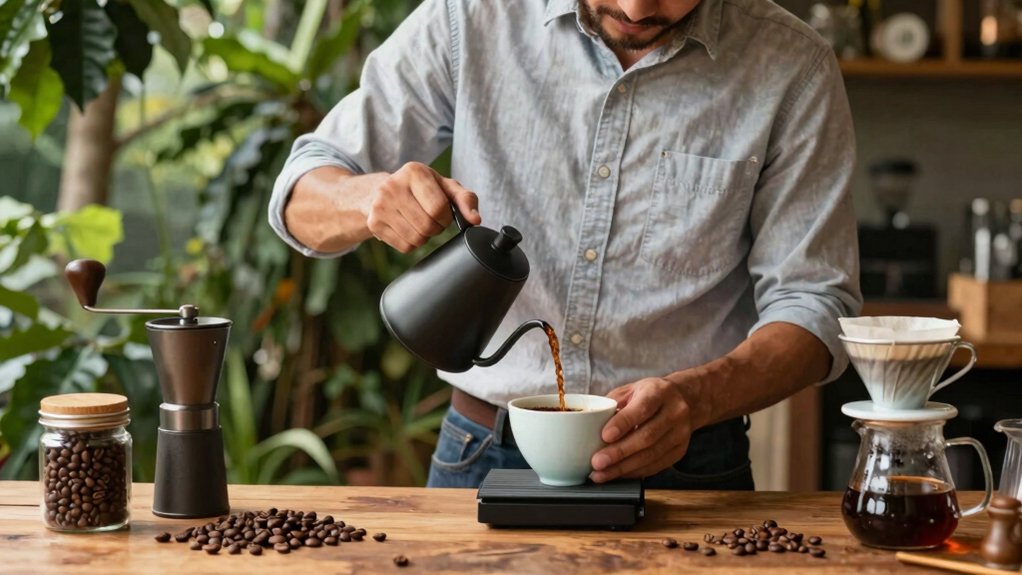


Studies show that caffeine can increase metabolic rate by 3-11%, with higher doses having greater effects, according to research published in the American Journal of Clinical Nutrition. Yet most coffee drinkers have no idea their daily brew could be doing more than just waking them up-they’re missing out on understanding how different coffee choices impact calorie burn and whether this effect is significant enough to support their weight management goals.
This post breaks down the science behind coffee’s calorie-burning potential, compares how different brewing methods and coffee types affect metabolism, and provides practical tips for maximizing these benefits. You’ll discover which coffee choices deliver the best metabolic boost, what realistic results you can expect, and how to incorporate strategic coffee consumption into your wellness routine without the common pitfalls that cancel out any potential benefits.
Table of Contents
Can coffee burn calories or not
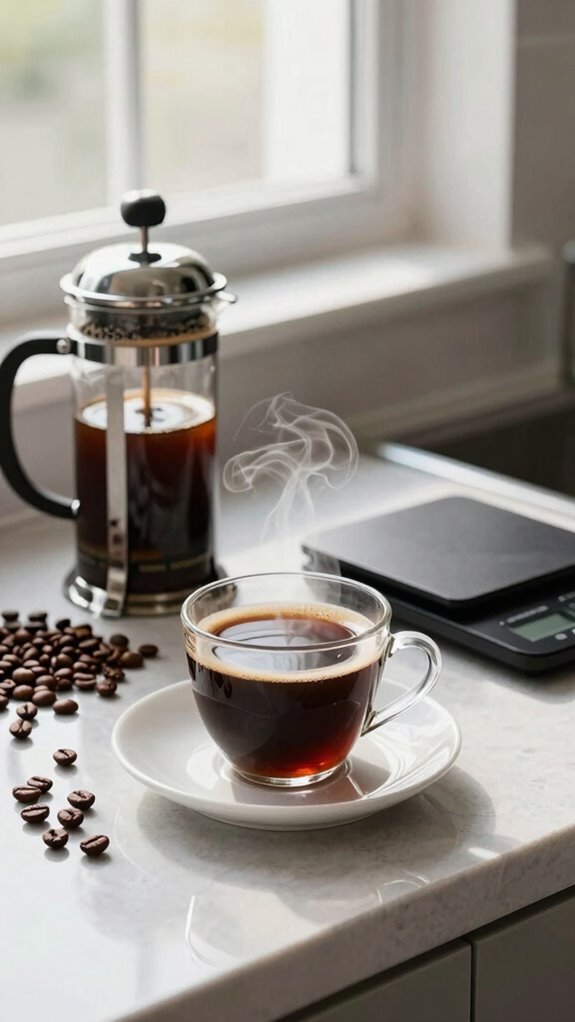
Let’s dive into whether coffee can actually burn calories. While coffee itself won’t magically melt away pounds, caffeine can temporarily boost your metabolic rate by 3-20%. Black coffee contains virtually no calories and can slightly increase energy expenditure.
The metabolic bump is modest – we’re talking about a small calorie burn that won’t replace exercise or a balanced diet. Caffeine stimulates fat oxidation, potentially helping weight management when combined with healthy lifestyle choices.
But don’t expect miracles: that morning brew isn’t a weight loss solution, just a nice metabolic nudge.
How caffeine helps you burn calories
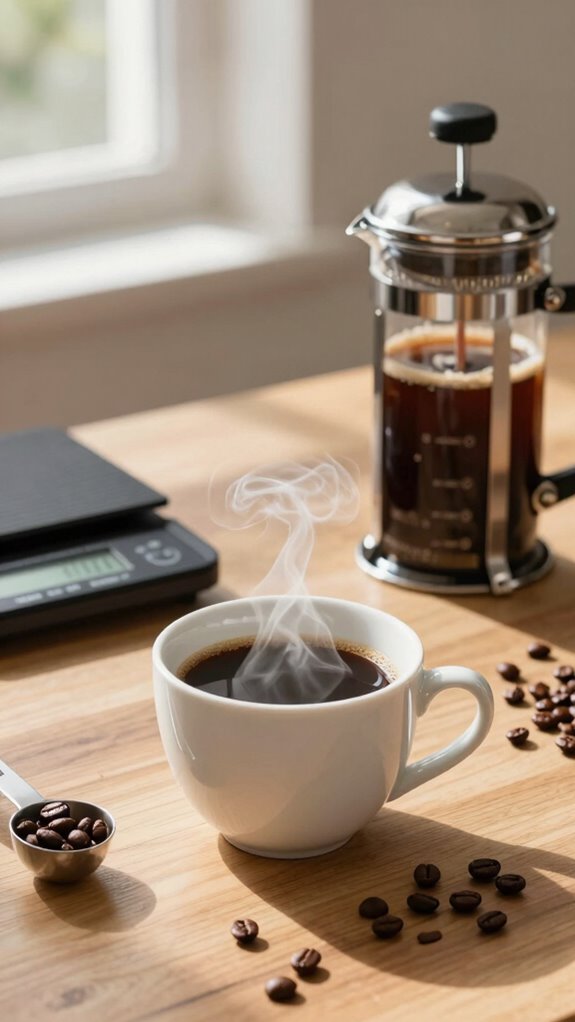
Caffeine ignites your body’s calorie-burning furnace by stimulating metabolism and enhancing fat oxidation. When you sip your morning coffee, you’re triggering a metabolic boost that can increase your resting rate by 3-20% for about 2-3 hours.
The magic happens through thermogenesis, where your body generates heat and burns extra calories. Coffee consumption, especially before exercise, can bump up fat oxidation, helping you torch a few more calories throughout the day. Just remember, it’s a modest effect-don’t expect miracles from your daily brew.
Which coffee type best for weight loss
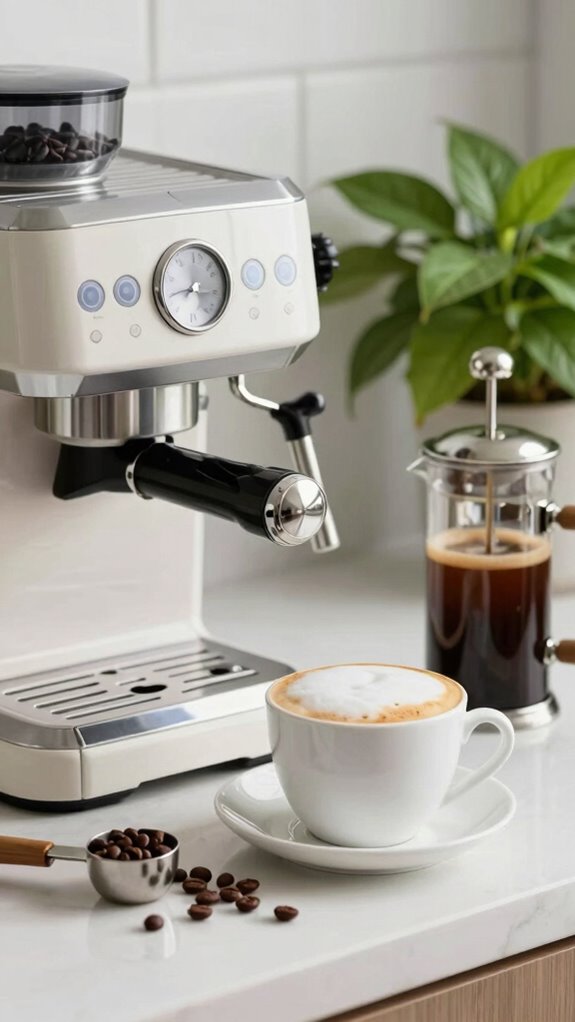
When it comes to choosing the best coffee for weight loss, light-roast brews emerge as the top contender. These beans pack a powerful metabolic punch with their higher caffeine content and polyphenols. Consider these key factors:
- Light-roast coffee offers more chlorogenic acid and caffeine per serving
- Plain black brewed coffee keeps your calorie count near zero
- Optimal caffeine intake ranges from 200–400 mg for most adults
While light-roast coffee can modestly boost metabolism, it’s not a magic solution. You’ll still need a balanced diet and regular exercise to see meaningful weight loss results. Remember, the coffee itself won’t burn calories-it’s a supportive tool in your fitness journey.
Coffee drinks that quietly add calories
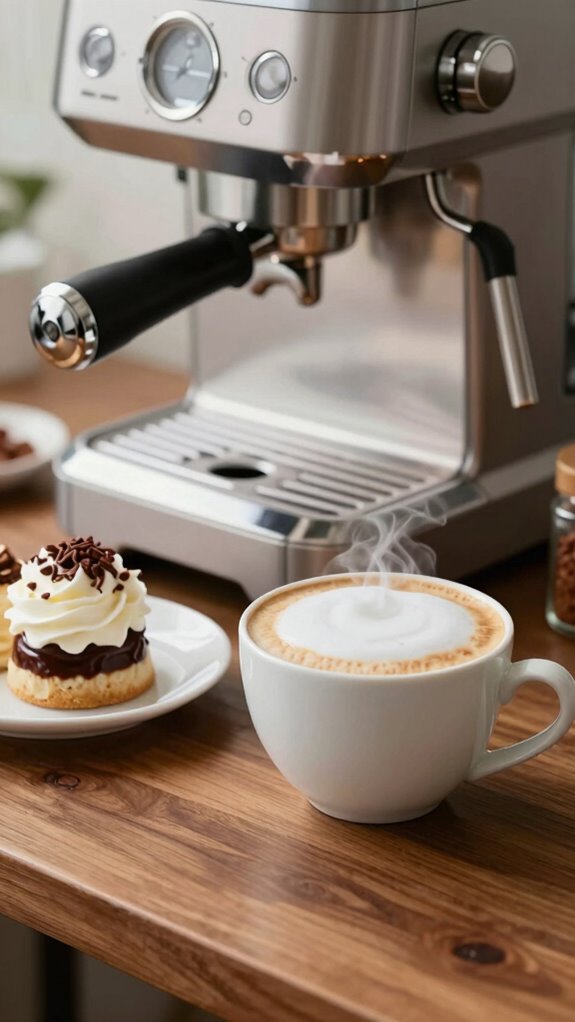
While light-roast coffee might boost metabolism, many popular coffee drinks can sabotage weight loss goals by sneaking in hidden calories. Those fancy coffee drinks are calorie landmines, with flavored syrups adding 30-60 extra calories per 3 pumps. Whipped cream can tack on another 73 calories, while specialty milk choices like heavy cream contribute over 100 calories per ounce.
Plant-based milk offers a lighter alternative, but sweetened versions still pack surprises. Mochas, lattes, and frappes can easily transform a zero-calorie beverage into a 300-calorie indulgence without you realizing it. Your morning coffee could be derailing your diet.
Should I drink coffee before exercise
If you’re looking to maximize your workout performance, drinking coffee before exercise can be a game-changing strategy.
A pre-workout coffee can deliver serious benefits when you nail the right caffeine dose.
Key advantages include:
- Boost endurance by 3-6 mg of caffeine per kg of body weight
- Elevate metabolic rate by 3-4% for ~150 minutes
- Enhance overall workout performance with black coffee
Timing matters: consume 30-60 minutes before exercise to peak caffeine levels.
Skip high-calorie additives to maintain workout energy balance.
Just remember to cut off caffeine intake by mid-afternoon to protect your sleep quality.
How to make calorie-smart daily coffee
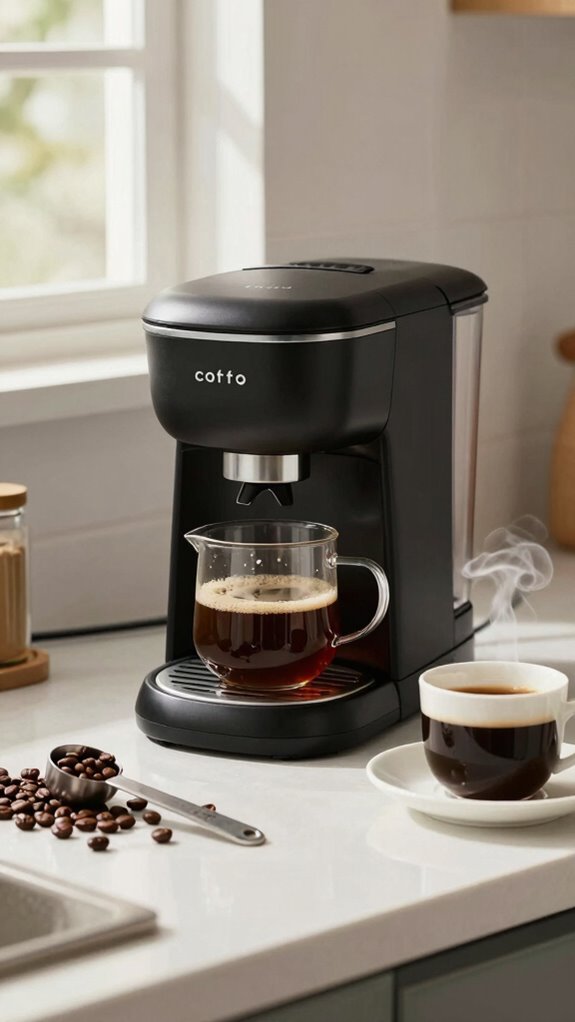
Making a calorie-smart coffee starts with choosing the right ingredients and equipment to keep your daily brew lean and delicious.
I’ll show you how to craft a low-calorie coffee that doesn’t sacrifice flavor, focusing on smart swaps like using unsweetened almond milk, skipping sugary syrups, and embracing black coffee with natural flavor boosters.
Whether you’re brewing at home or grabbing a café drink, these strategies will help you enjoy your coffee without derailing your health goals.
Ingredients
The secret to a calorie-smart coffee starts with comprehension how each ingredient impacts your drink’s nutritional profile.
When it comes to coffee and calories, your choices matter:
- Base liquid: Black coffee is the lowest-calorie option, containing under 5 calories per 8-ounce cup.
- Sweeteners: Each teaspoon of sugar adds about 16 calories, so consider minimizing or eliminating sugar.
- Creamers: Opt for fat-free milk (≈10 calories per 2 tbsp) or unsweetened plant milks instead of heavy cream or flavored creamers.
Equipment
Selecting the right equipment can dramatically reduce unnecessary calories in your daily coffee routine. By choosing brewing methods like pour-over, French press, and AeroPress, you’ll craft delicious black coffee without calorie-heavy additives.
| Equipment | Calories | Brewing Style |
|---|---|---|
| Pour-Over | 0 | Manual, Precise |
| French Press | 0 | Full-Bodied, Rich |
| AeroPress | 0 | Quick, Clean |
| Drip Machine | 0 | Convenient, Consistent |
These brewing tools help maintain coffee’s natural flavor, minimizing the need for high-calorie creamers or sweeteners. By using measured servings and focusing on quality brewing techniques, you’ll enjoy a calorie-smart coffee experience that supports your health goals.
Instructions
When you’re aiming to craft a calorie-smart coffee, start by choosing plain black coffee as your base-it’s the simplest way to keep your morning brew under 5 calories.
Follow these strategic steps to manage your coffee’s calorie content:
- Measure your additions carefully, using low-fat milk or unsweetened plant milk in minimal amounts.
- Skip added sugar, opting instead for zero-calorie spices like cinnamon for flavor enhancement.
- Practice portion control by tracking liquid coffee calories within your daily nutritional goals.
How much caffeine is actually effective
While metabolic benefits depend on individual factors, most people can effectively boost calorie burn with caffeine doses ranging between 3–6 mg per kilogram of body weight. Grasping your ideal caffeine intake matters for maximizing resting metabolic rate.
| Body Weight | Caffeine Dose | Cups per Day |
|---|---|---|
| 70 kg | 210-420 mg | 2-4 cups |
| 60 kg | 180-360 mg | 2-3 cups |
| 80 kg | 240-480 mg | 3-5 cups |
Individual responses vary based on genetics and habitual use. One 8-ounce brewed coffee typically contains 80-100 mg caffeine, potentially increasing metabolic rate by 3-4% for 2-3 hours. Moderation is key-most adults should limit intake to 400 mg daily.
Frequently Asked Questions
What Are the Ingredients in the Coffee Hack to Lose Weight Tik?
I mix black coffee with cinnamon, lemon, or cayenne, sometimes adding green tea extract or L-carnitine. These ingredients claim to boost metabolism, though scientific evidence is mixed. I’m exploring potential weight loss benefits.
What Is the Main Ingredient in Coffee Loophole?
Caffeine is the main ingredient in the coffee loophole. I’ve researched its metabolism-boosting properties, which can temporarily raise your metabolic rate and help suppress appetite through its stimulant effects.
What Is the 90 Minute Coffee Rule?
I’ve unlocked nature’s caffeine secret: wait 90 minutes after waking to sip coffee. This lets your body’s cortisol peak subside, ensuring your brew delivers a powerful, crisp energy boost when you truly need it most.
What to Add to Coffee to Burn Fat for Weight Loss?
I recommend adding cinnamon, unsweetened plant milk, or a dash of protein powder to your coffee. These low-calorie additions won’t sabotage your weight loss goals and can help keep you feeling fuller without excess calories.
In Conclusion
Yes, coffee can help burn calories-but the key is drinking it smartly. Research shows caffeine might boost metabolism by 3-11%, which offers real potential when combined with the right approach. Stick to black, light-roast coffee before workouts, targeting 3-6 mg of caffeine per kilogram of body weight for optimal results. Keep it simple, avoid sugary additions, and remember that coffee is a helpful tool, not a magic solution.
So, can coffee burn calories? Absolutely, though the effects are subtle and work best alongside proper diet and exercise. Your brew choices matter, which is why investing in a quality coffee machine helps you maintain consistency with fresh, properly extracted coffee. If you’re ready to optimize your coffee routine, check out our coffee machine reviews to find well-reviewed options that fit your lifestyle and brewing preferences. The right equipment makes it easier to enjoy strategic, metabolism-friendly coffee every single day.