

According to a 2023 survey by the National Coffee Association, 74% of Americans drink coffee daily, while the Tea Association of the USA reports that over 159 million Americans drink tea regularly-yet surprisingly few have considered combining these two powerhouse beverages. With both drinks dominating our morning routines and afternoon pick-me-ups, a growing number of people are asking: can coffee and tea actually be mixed together, and is it safe to do so?
The answer is yes, and the possibilities are more exciting than you might expect. In this post, we’ll explore the safety of mixing coffee and tea, break down the caffeine considerations you need to know, and share proven recipes from traditional blends like Hong Kong’s yuenyeung to modern cafe creations. Whether you’re looking to expand your flavor horizons or maximize your energy boost, you’ll discover practical pairings that actually work.
Table of Contents
Can coffee and tea be mixed?
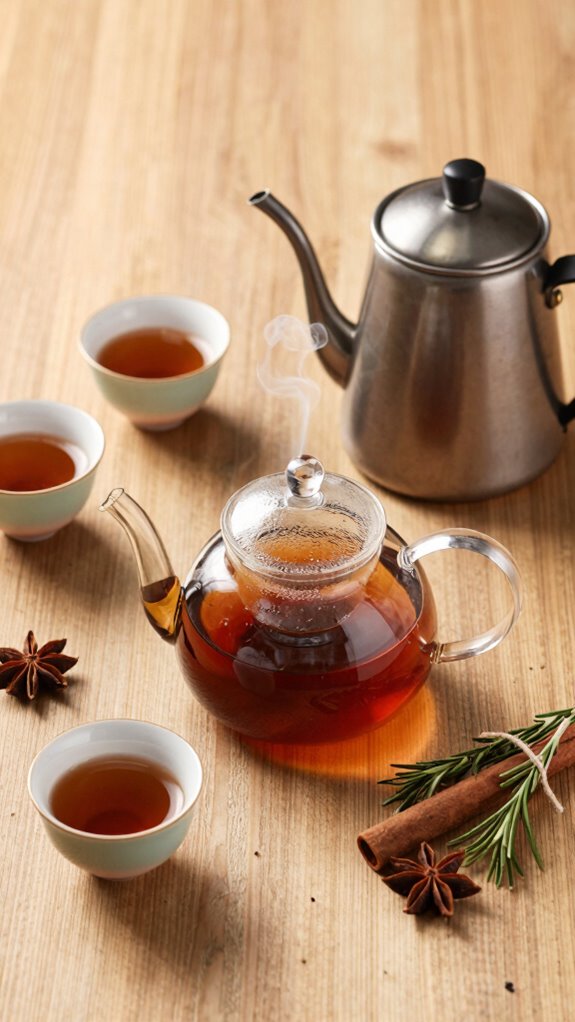
Let’s dive right into mixing coffee and tea-yes, you absolutely can blend these beloved beverages!
From the classic dirty chai latte to international favorites like Hong Kong yuanyang and Malaysian kopi cham, these drinks combine espresso or strong coffee with tea for a unique flavor profile.
The key is balancing the robust characteristics of both beverages. I recommend using milk to soften the intense tannins and create a smoother taste.
Whether you prefer hot or iced, mixing tea and coffee opens up a world of creative beverage possibilities that’ll tantalize your taste buds and boost your caffeine intake.
What is this coffee-tea drink called?
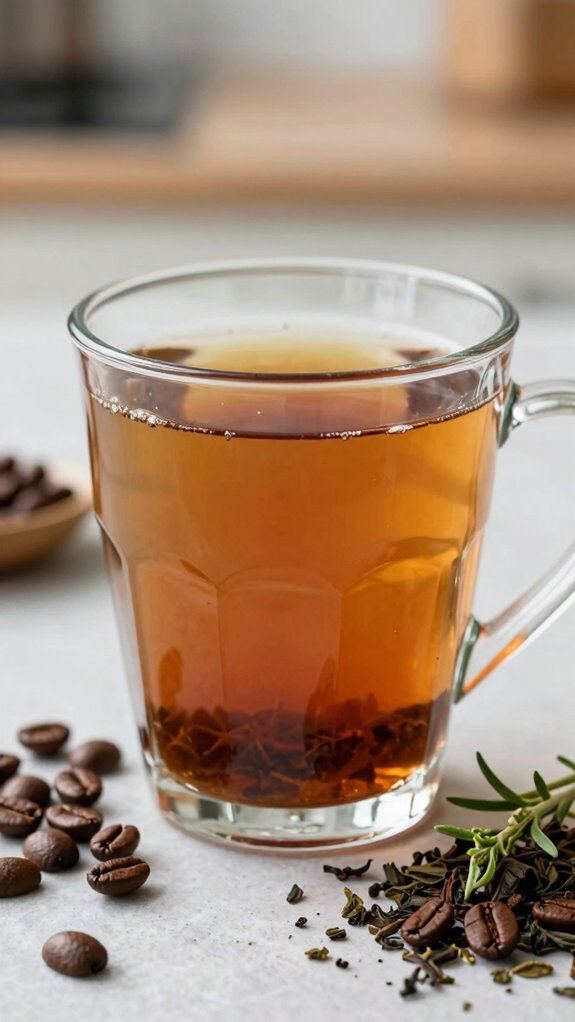
Coffee-tea blends boil down to a fascinating array of regional and creative names that reflect their unique cultural origins. From “dirty chai” to “yuanyang,” these mixed drinks showcase global creativity in brewing.
In Hong Kong, you’ll find “yuenyeung,” a delightful combo of milk tea and strong coffee, while Malaysians and Singaporeans enjoy “kopi cham.” Matcha lovers aren’t left out-”dirty matcha” combines espresso with the green tea powder.
Even tea classics like Earl Grey get a coffee twist with the “London Smog,” where espresso meets the traditional London Fog. Regional variations like “spreeze” add even more diversity to mixing tea and coffee.
Is mixing coffee and tea safe?
While mixing coffee and tea might sound like an adventurous brewing experiment, the good news is that it’s generally safe for most people when consumed mindfully.
The key is monitoring caffeine intake, as combining black tea and coffee can quickly escalate stimulant levels-a standard espresso shot plus tea could reach 120+ mg of caffeine.
Health considerations matter. Those with caffeine sensitivity, pregnant individuals, or people on specific medications should be cautious.
Decaffeinated options like rooibos or chicory can help create delicious chai tea lattes or iced dirty drinks without overwhelming tannins or stimulants.
Which teas pair best with coffee?

If you’re looking to jazz up your coffee routine, pairing the right tea can transform your beverage experience from mundane to extraordinary.
Strong black teas like Ceylon and Assam perfectly complement dark espresso, while matcha offers a unique dirty matcha twist with its vegetal notes.
Rooibos provides a caffeine-free alternative that mimics black tea’s depth.
Earl Grey’s bergamot creates magic in milk tea variations, cutting through coffee’s richness.
The key is matching tea intensity with coffee roast-bold teas with dark roasts, delicate teas with lighter espresso shots-ensuring a harmonious, flavor-packed blend that’ll elevate your morning ritual.
How to make yuenyeung at home
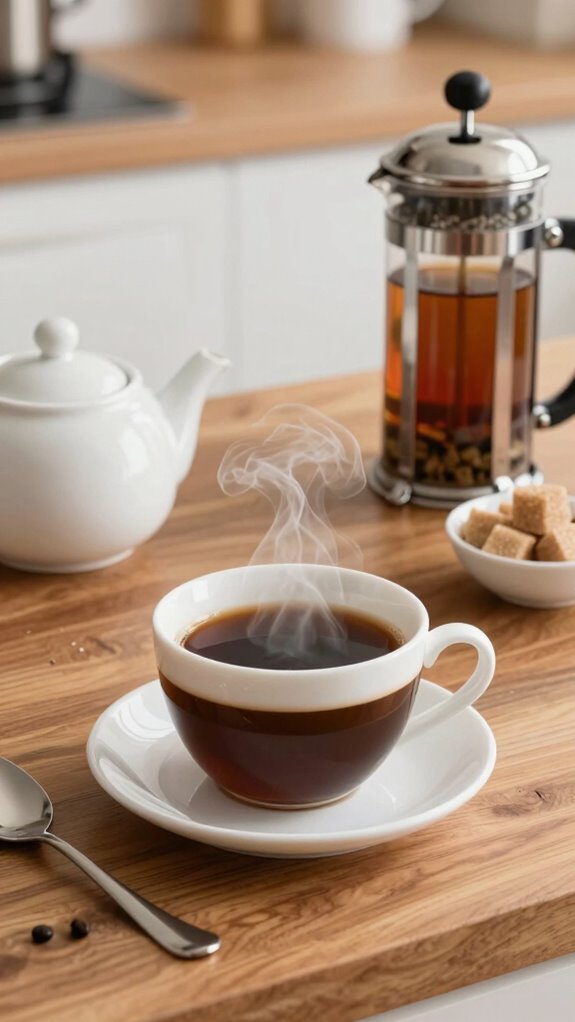
To make yuenyeung at home, you’ll need strong Ceylon milk tea, concentrated coffee, milk, and sweetener, along with basic brewing equipment like a kettle, strainer, and measuring tools.
The magic happens by brewing a robust milk tea with Ceylon leaves or tea bags, then preparing an extra-strong coffee shot that you’ll mix in a precise 7:3 ratio.
I’ll walk you through creating this classic Hong Kong beverage that beautifully marries the rich, bold flavors of coffee and tea in one comforting drink.
Ingredients
Crafting a perfect yuenyeung at home requires just a few key ingredients and simple brewing techniques that’ll transform your morning beverage routine.
For an authentic Hong Kong‑style milk tea base, use Ceylon leaves brewed strongly with evaporated milk.
Choose a robust coffee-a shot of espresso works brilliantly-and aim for the traditional 7:3 tea-to-coffee ratio.
Sweeten with condensed milk for richness, adding 1–2 teaspoons of sugar to taste.
Whether you prefer it steaming hot or refreshingly iced, yuenyeung offers a delightful caffeine kick that blends the best of both coffee and tea worlds.
Equipment
Kitchen precision makes yuenyeung magic happen, and you’ll need just a few essential tools to create this delightful Hong Kong beverage. Crafting the perfect yuenyeung requires specific equipment to maintain brew strength and flavor integrity.
| Equipment | Purpose | Recommended Type |
|---|---|---|
| Kettle | Boiling water | Gooseneck electric |
| Strainer | Tea filtering | Fine mesh |
| Measuring cups | Precise ratios | Glass/marked |
| Thermometer | Temperature control | Digital instant-read |
Your toolkit ensures consistent milk tea and strong coffee preparation. Whether you’re making a hot or iced latte-style yuenyeung, these tools help blend Ceylon black tea and espresso with evaporated milk perfectly.
Instructions
Let’s dive right into whipping up a delicious yuenyeung that’ll transport you to a bustling Hong Kong café.
- Brew 200-240 ml of strong black tea using Ceylon or orange pekoe
- Pull a single espresso shot or 90-100 ml of strong coffee
- Sweeten with 1-2 teaspoons of sweetened condensed milk
Creating this authentic Hong Kong-style milk tea and coffee blend is simple.
Mix your hot tea and espresso, then stir in evaporated milk for that signature creamy texture.
Want it iced? Just pour over ice and adjust the tea-to-coffee ratio to suit your taste.
The magic of yuenyeung lies in its perfect balance – not too bitter, not too sweet.
Coffee-tea ratios and brew methods guide
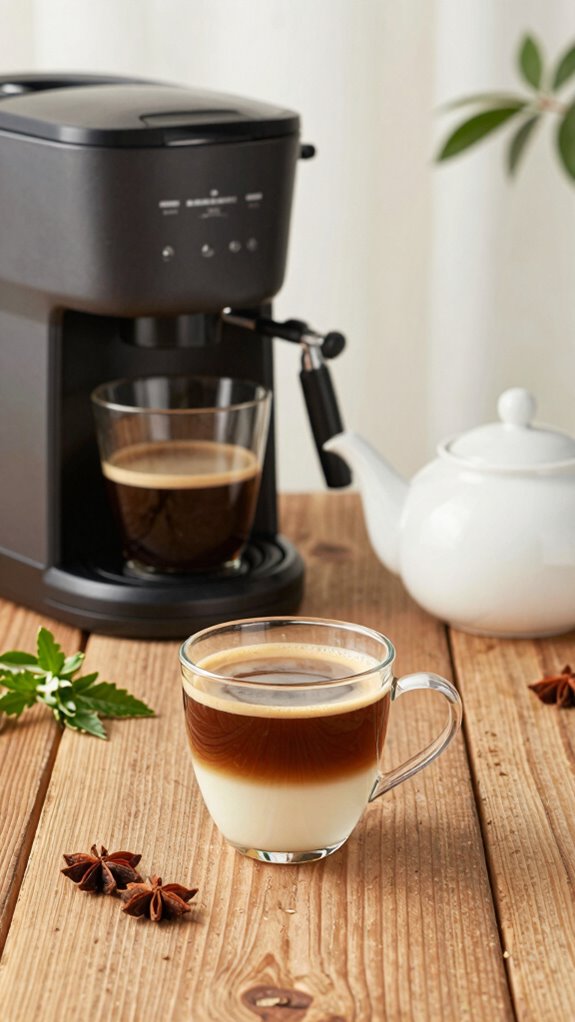
Dive into the art of blending coffee and tea with strategic ratios and brewing techniques that transform your beverage experience. Whether crafting a dirty chai, yuenyeung, or cold brew fusion, precision matters.
| Drink Style | Tea Base | Coffee Ratio |
|---|---|---|
| Dirty Chai | Black Tea | 1-2 Espresso Shots |
| Yuenyeung | Strong Tea | 30% Coffee |
| Cold Brew Fusion | Black Tea | 1:8 Grounds/Tea Ratio |
Mastering these blends requires controlling extraction, using evaporated milk for smoothness, and tea steeped carefully to balance tannins. Experiment with Matcha Recipes or brewed chai to discover your perfect coffee-tea harmony.
Try these coffee-tea drinks worldwide today
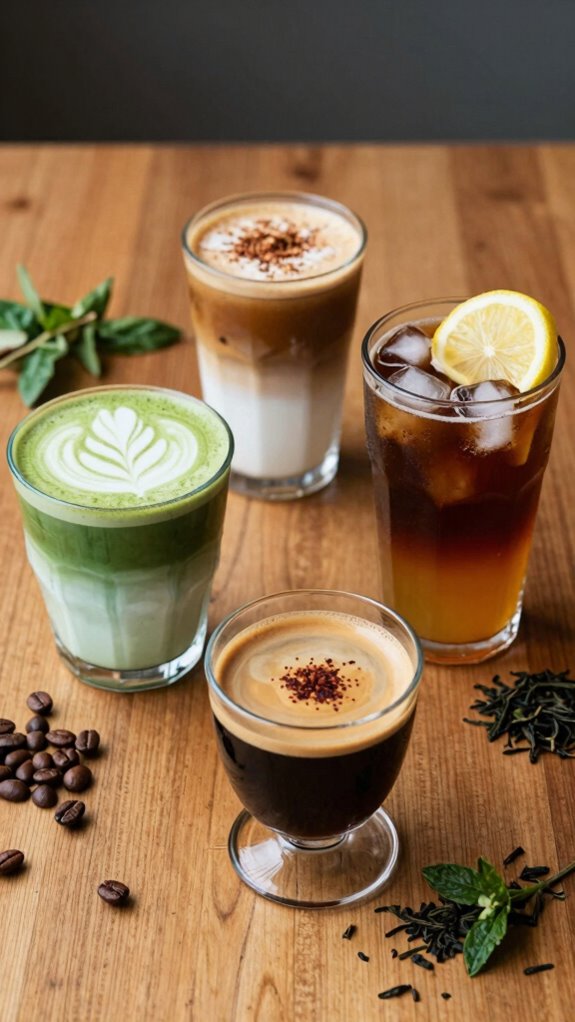
Embark on a global coffee-tea adventure by sampling these incredible fusion beverages that blend cultural traditions and bold flavors across different continents.
- Try Yuenyeung, a Hong Kong hybrid drink mixing Ceylon milk tea and coffee
- Explore Kopi Cham, the Malaysian sweet tea-coffee blend served hot or iced
- Discover dirty chai, a spicy matcha latte with an espresso kick
These international coffee-tea creations offer unique taste experiences. From steamed milk layering in dirty chai to the robust Ethiopian spreeze, each hybrid drink tells a cultural story.
Whether you prefer your beverage hot or chilled, these global mixtures prove that coffee and tea can create magic when combined thoughtfully.
Frequently Asked Questions
Is It Okay to Mix Tea and Coffee Together?
Yes, I can mix tea and coffee safely! I’ll watch my caffeine intake and balance the flavors by choosing complementary varieties. Some global traditions like yuenyeung already do this, so I’ll experiment thoughtfully.
What’s It Called When You Mix Tea and Coffee?
I call it a “dirty” beverage when mixing tea and coffee! Depending on the specific ingredients, it might be a yuenyeung, kopi cham, dirty chai, or dirty matcha – each with its own unique flavor profile.
Is It Better to Have Tea or Coffee First?
I recommend coffee first for a quick energy boost, followed by tea for sustained alertness. If you’ve got a sensitive stomach, try tea initially to be gentler, and always consider your personal caffeine tolerance.
What Should Not Be Added to Coffee?
I’ll warn you against adding fresh fruit juices, strong spirits, herbal supplements, excessive salt, or undiluted essential oils to coffee. These can curdle, overpower, dangerously stimulate, unbalance flavor, or cause irritation in your drink.
In Conclusion
Yes, coffee and tea can absolutely be mixed, creating delicious global beverages that blend caffeine and flavor beautifully. From Hong Kong’s yuenyeung to Malaysian kopi cham, these unique drinks offer exciting cultural experiences you can recreate at home. By understanding basic ratios and brewing techniques, you’ll discover endless possibilities for combining these two beloved beverages.
Ready to experiment with coffee-tea combinations? Having the right equipment makes all the difference in achieving consistent, flavorful results. Check out our coffee machine reviews to find well-reviewed options that give you precise control over brewing temperature and strength-essential for crafting the perfect hybrid drinks. Whether you’re a curious beginner or an experienced home barista, the right machine will help you explore these fascinating flavor pairings with confidence.