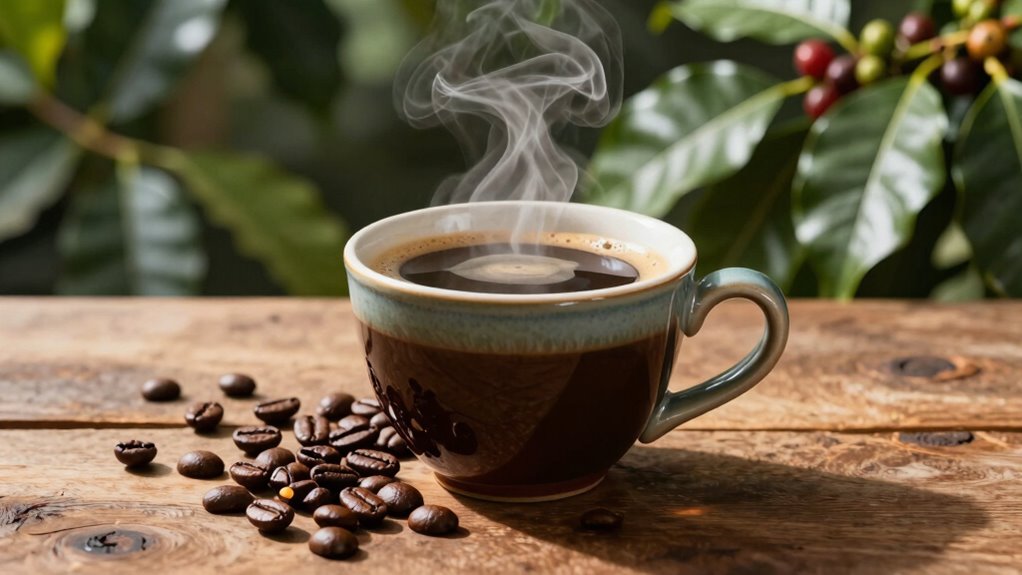

According to the Specialty Coffee Association, less than 1% of the world’s coffee comes from Hawaii, yet Kona coffee commands prices up to three times higher than standard arabica beans. Despite its premium reputation, many coffee enthusiasts struggle to understand what justifies Kona’s steep price tag and whether they’re getting authentic beans or clever marketing.
This guide breaks down everything you need to know about Kona coffee-from its distinctive taste profile and official grading system to proper brewing techniques and its fascinating volcanic origins. You’ll learn how to identify genuine Kona, decode the quality grades, and extract the best flavors from these premium beans, ensuring your investment delivers the exceptional experience Kona promises.
Table of Contents
What is Kona coffee, and why special?

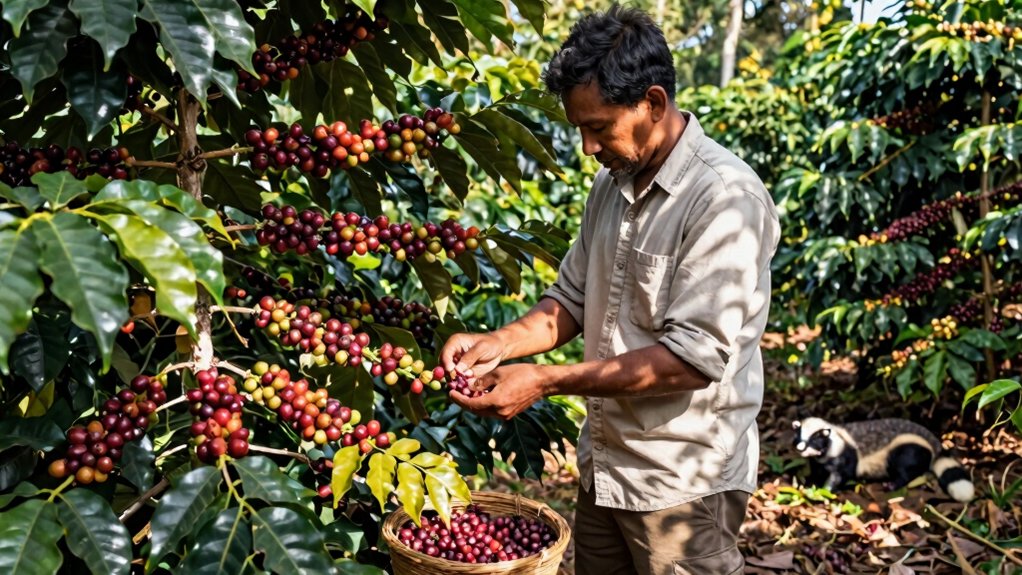
Kona coffee stands out as a rare and prized coffee variety grown exclusively on the volcanic slopes of Hawaii’s Big Island.
Its unique microclimate-with cool ocean breezes, volcanic soil, and consistent temperatures between 65-75°F-creates an exceptional growing environment.
Hand-harvested from small farms nestled on Mauna Loa’s west-facing slopes, these beans develop complex flavor profiles impossible to replicate elsewhere.
The limited 20-mile coastal belt produces limited quantities, making Kona coffee not just a beverage, but a cherished agricultural treasure.
With strict “100% Kona” appellation requirements, each cup represents generations of Hawaiian coffee craftsmanship.
The coffee’s international recognition dates back to the 1873 World’s Fair, where it first gained global attention for its exceptional quality.
Kona coffee taste notes and flavors
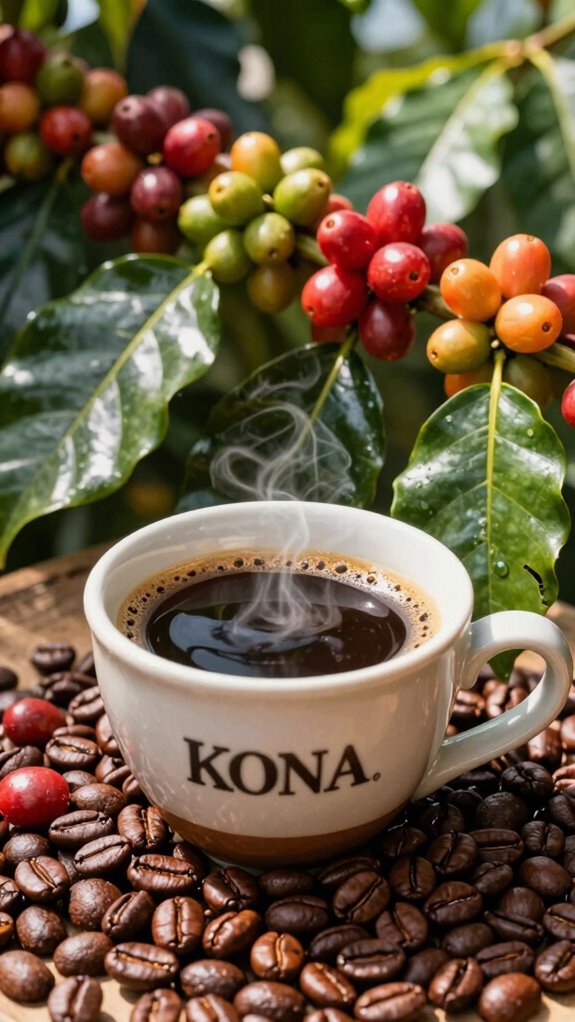
Hawaii’s volcanic paradise produces a coffee experience that’ll tantalize your taste buds like no other. Kona coffee delivers a symphony of flavors that dance across your palate with remarkable complexity. Volcanic terroir’s nurturing environment allows the beans to develop exceptional characteristics through slow, deliberate maturation.
Imagine sipping a brew that reveals:
- Smooth, low-bitterness profile with creamy mouthfeel
- Rich chocolate undertones ranging from milk to dark
- Subtle tropical fruit whispers like blackberry and cherry
- Nutty hints of hazelnut and delicate spice notes
Each sip tells a story of meticulous cultivation, where volcanic soil and precise roasting techniques transform simple coffee beans into a sensory masterpiece. The result? An extraordinary coffee that’s simultaneously refined and wildly expressive.
Which Kona coffee grade should I buy
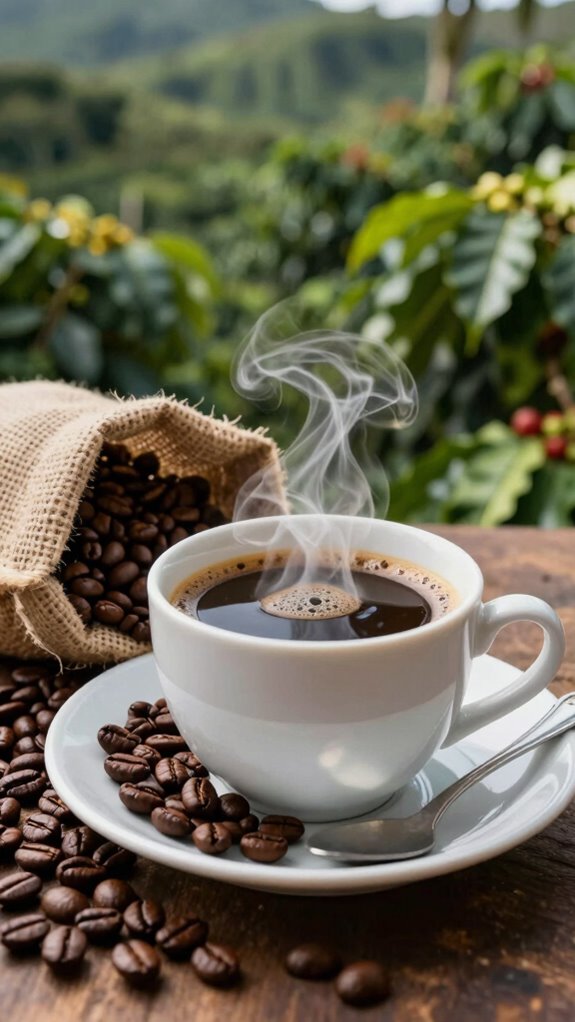
If you’re wondering which Kona coffee grade to buy, the answer depends on your budget, taste preferences, and intended use-but most coffee lovers will find the Fancy grade offers the best balance of quality and value.
Splurging on Extra Fancy? Perfect for gift-giving or special occasions. Seeking everyday excellence? Fancy delivers remarkable bean quality at a more accessible price point. Budget-conscious coffee drinkers can confidently choose Prime for a genuine Kona experience without breaking the bank.
Pro tip: Always verify the “100% Kona” label to ensure authentic origin and grade. Notably, the Kona Typica varietal has unique characteristics developed through generations of local adaptation, which influences the overall coffee quality and flavor profile.
How to brew Kona coffee at home
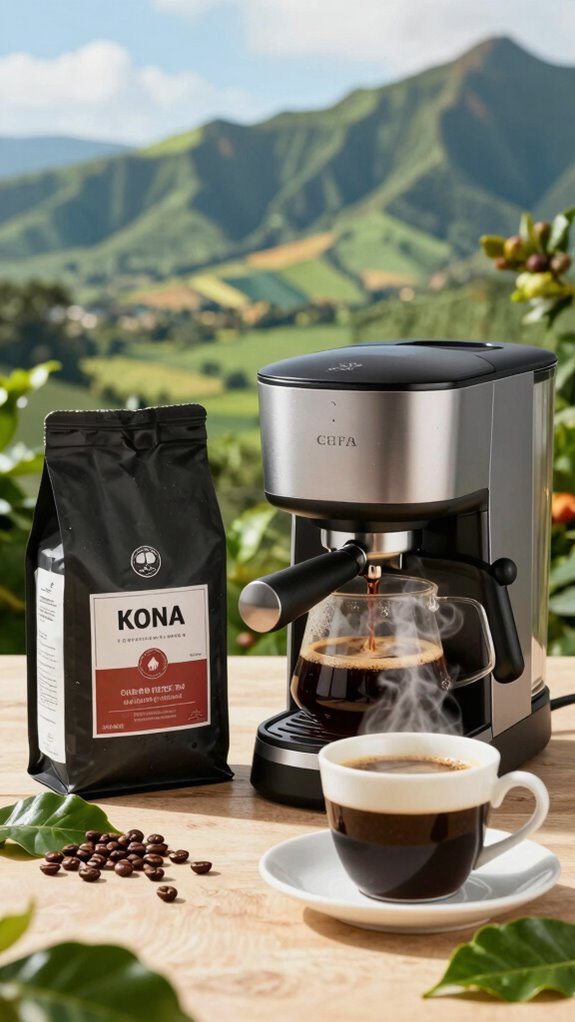
Brewing exceptional Kona coffee at home requires selecting the right ingredients, grasping key equipment, and mastering precise brewing techniques across multiple methods like French press, pour-over, espresso, and cold brew.
I’ll walk you through the essential tools and step-by-step instructions that’ll transform your home coffee experience, ensuring you extract the rich, nuanced flavors unique to Hawaiian Kona beans.
From grind size and water temperature to brewing ratios and extraction times, I’ll share professional techniques that’ll help you create cafe-quality coffee right in your own kitchen.
Ingredients
Unlock the sublime flavors of premium Kona coffee by mastering the essential ingredients and brewing techniques that transform these exceptional Hawaiian beans into a perfect cup.
Your brewing success depends on four key components:
- Freshly roasted, whole Kona coffee beans
- Clean, filtered water at 195–205°F
- Precision-ground coffee matching your brewing method
- Proper coffee-to-water ratio (typically 1:15 or 1:16)
Each ingredient plays a crucial role in extracting the nuanced, smooth profile that makes Kona coffee legendary.
Equipment
Once you’ve selected the perfect Kona coffee beans, the right brewing equipment becomes your gateway to transforming those premium Hawaiian treasures into an extraordinary cup.
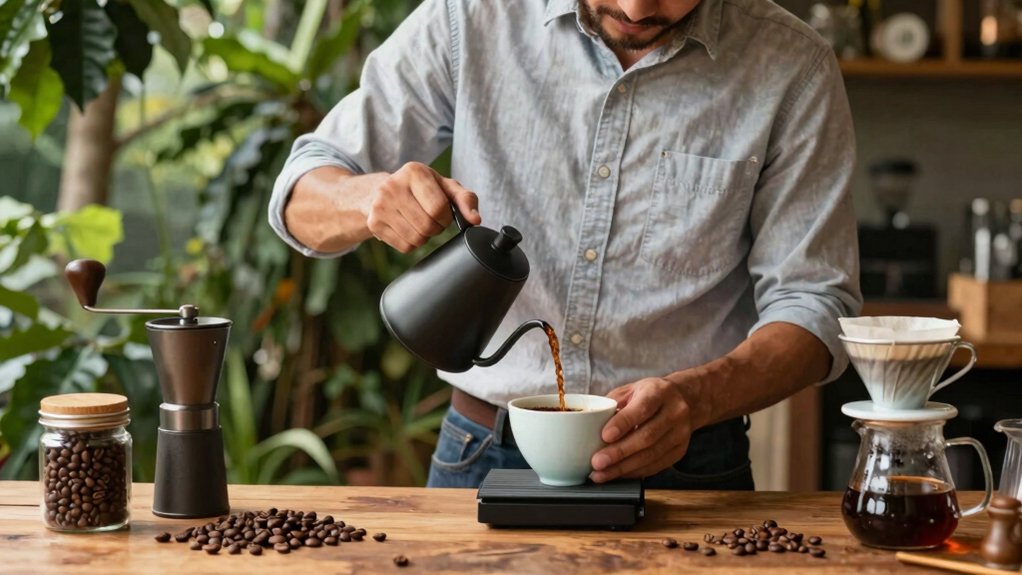
A quality burr grinder is your first essential tool, ensuring consistent particle size that captures Kona’s nuanced flavors. Pair it with a digital scale for precise coffee-to-water ratios and a temperature-controlled gooseneck kettle to maintain ideal brewing conditions between 195–205°F.
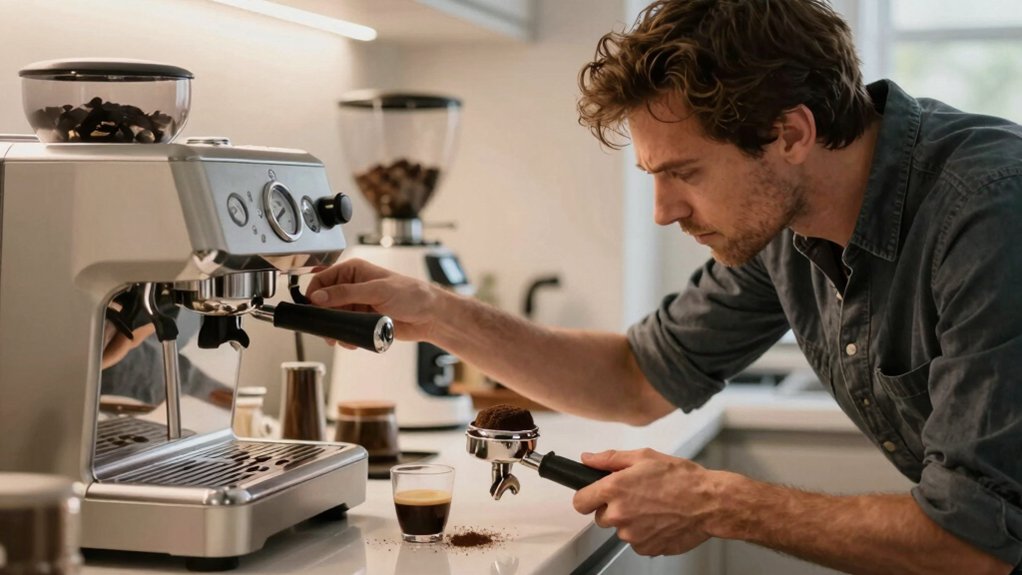
Choose your brewing method wisely: pour-over for brightness, French press for body, or AeroPress for a rich, clean profile.
Invest in airtight storage containers to preserve your beans’ exceptional quality.
Instructions
When you’re ready to transform those premium Kona coffee beans into a spectacular home-brewed cup, mastering the right techniques can elevate your coffee experience from ordinary to extraordinary.
Each brewing method demands unique precision: water temperature, grind size, and coffee-to-water ratio dramatically influence your final cup. Whether you’re using a drip machine, French press, pour-over, espresso maker, or crafting cold brew, grasping these nuanced techniques ensures rich, complex flavors.
Key brewing essentials include:
- Fresh, medium-ground Kona beans
- Filtered water heated between 195°F-205°F
- Proper coffee-to-water ratios
- Clean brewing equipment
How to spot real Kona coffee
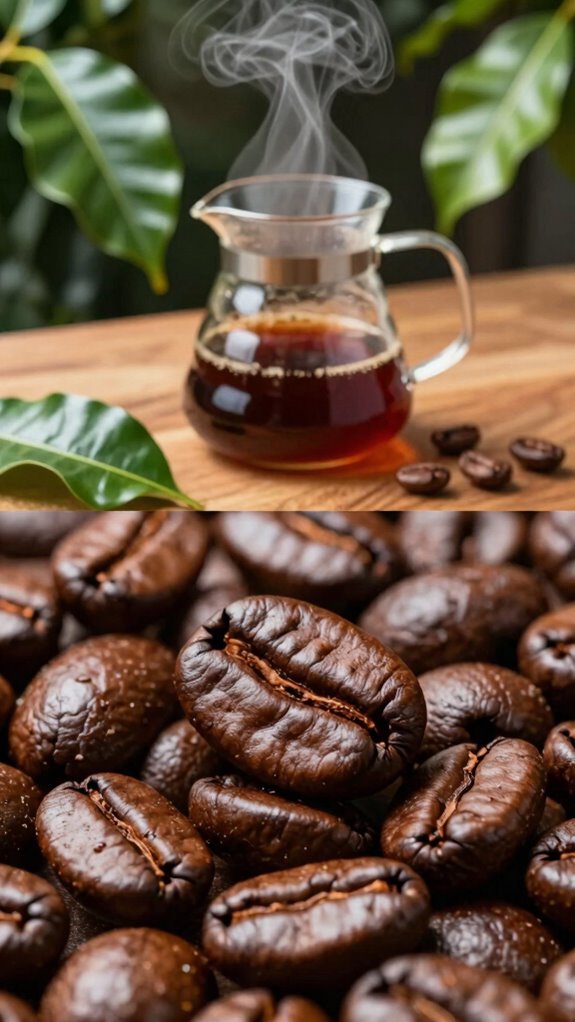
Navigating the world of Kona coffee can quickly become tricky if you don’t know what to look for. Look for labels that read “100% Kona” – not “Kona blend” or “Kona style” – which can legally indicate as little as 10% authentic beans. Avoid suspiciously low prices under $20 per pound, as genuine Kona commands premium rates due to limited production and meticulous harvesting.
Seek out reputable estates like Greenwell Farms or specialty roasters who verify authenticity. Check for recent roast dates, hand-picked indicators, and Extra Fancy grade certifications from the Hawaii Department of Agriculture.
Kona vs other Hawaiian coffees compared
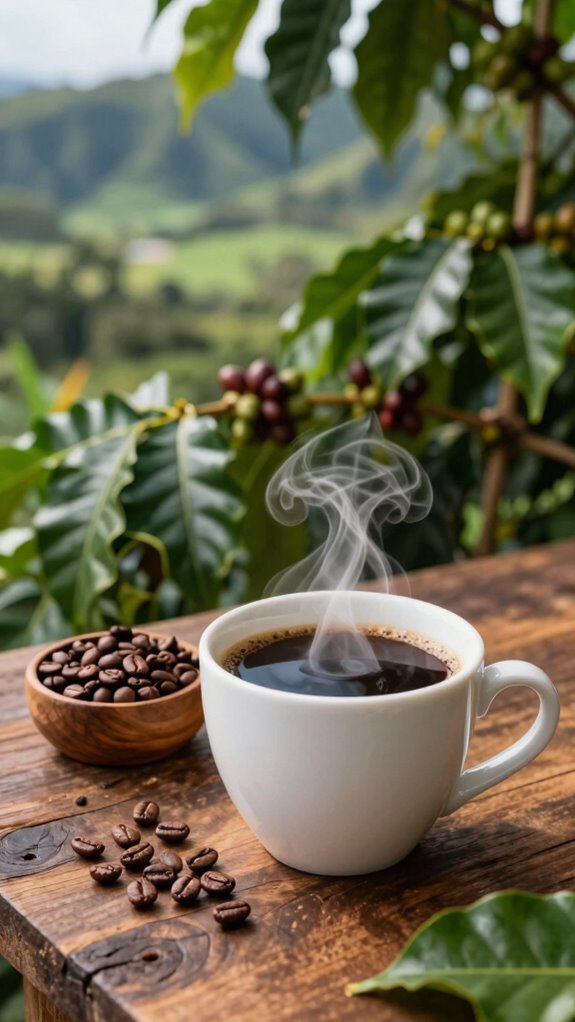
While Kona coffee rightfully claims its throne in the Hawaiian coffee kingdom, it’s not the only stellar bean grown in the Aloha State.
Each Hawaiian region offers a unique flavor profile that’ll tantalize your taste buds:
- Kaʻu: Smooth, rich, with complex floral and chocolatey undertones
- Maui: Bright, citrusy notes dancing with subtle wine-like character
- Kauai: Mild, nutty, wonderfully rounded cup
- Overall Hawaiian terroir: Smooth, sweet, with volcanic soil magic
Though Kona remains the most celebrated, other Hawaiian coffees are emerging champions, proving the islands’ incredible diversity of coffee excellence.
Each sip tells a story of its unique microclimate and careful cultivation.
Where does Kona coffee come from?
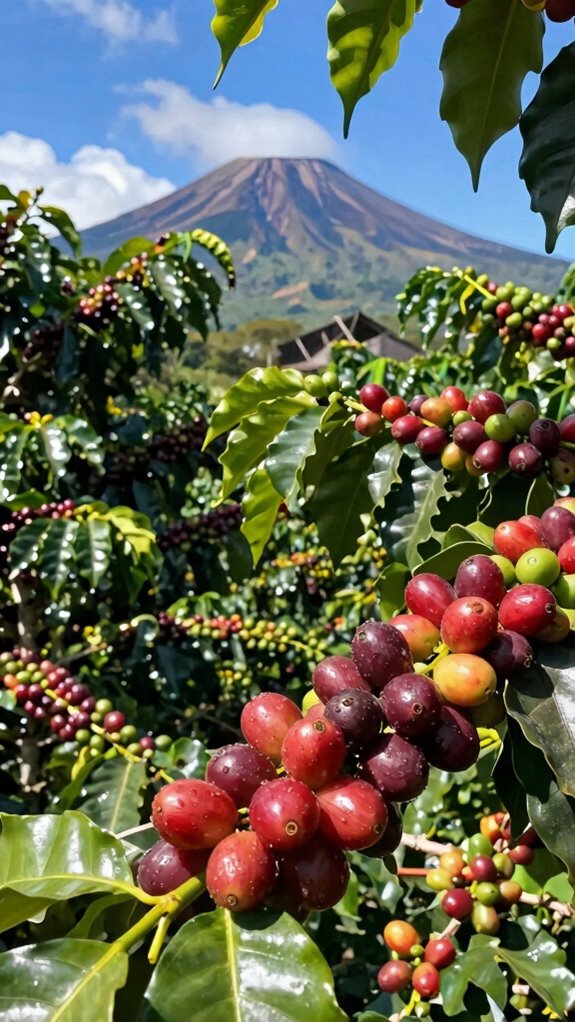
Nestled on the volcanic slopes of Hawaii’s Big Island, Kona coffee springs from a remarkably specific geographic region along the western flanks of Mauna Loa and Hualālai.
This narrow 30-mile-long, 1–2 mile-wide strip sits between 500–3,200 feet elevation, exclusively in North and South Kona Districts. The volcanic landscape creates perfect growing conditions: nutrient-dense soil, afternoon cloud cover, and consistent rainfall that nurture exceptional coffee cherries.
Only coffee grown within these precise boundaries can legally be called “Kona coffee” – a testament to its unique terroir and unparalleled quality that sets it apart from all other coffees worldwide.
Frequently Asked Questions
Is Kona Coffee More Expensive Than Regular Coffee?
Yes, Kona coffee is significantly pricier than regular coffee. I’ve noticed it can cost up to six times more, ranging from $40 to $60 per pound, compared to standard grocery store coffee at around $10 per pound.
Can I Order Kona Coffee Online From Hawaii?
Yes, I can order Kona coffee online directly from Hawaii! Multiple roasters ship 100% Kona coffee nationwide, offering whole bean, ground, and various roast levels with convenient shipping options and even subscription services.
Does Kona Coffee Have More Caffeine Than Other Coffees?
No, Kona coffee doesn’t inherently have more caffeine. Its caffeine levels match other Arabica coffees. What matters most is how you brew it-your method, roast, and serving size will determine the actual caffeine content in your cup.
How Long Does Kona Coffee Stay Fresh After Roasting?
Like a symphony fading, Kona coffee’s vibrant notes peak within 24-48 hours after roasting. I’ve found it stays deliciously fresh for 3-6 weeks when stored properly in an airtight, cool container, preserving its rich, complex flavors.
Are There Organic Kona Coffee Options Available?
Yes, I can confirm organic Kona coffee options are definitely available! Several estates like Kona Rainforest Coffee and Mountain Thunder offer certified organic, single-origin beans in whole bean, ground, and green bean formats.
In Conclusion
Kona coffee truly stands out as one of the world’s most exceptional brews, and understanding what makes Kona coffee special-from its volcanic origins to its meticulous grading system-helps you appreciate every cup. Whether you’re drawn to the smooth, low-acid profile of Extra Fancy grade or the rich chocolate notes that come from proper brewing, this rare Hawaiian treasure delivers an experience worth seeking out.
Ready to elevate your Kona coffee experience at home? The right brewing equipment makes all the difference in extracting those delicate flavors. Check out our coffee machine reviews to explore smart, well-reviewed options that will help you consistently brew café-quality Kona coffee in your own kitchen.